A blocked ear can feel small at first. But over time it can affect confidence, conversations, and comfort. One common cause is earwax build up. Ear irrigation is one way to remove earwax, but it is not suitable for everyone.
Ear irrigation can be safe, but only when:- the ear is checked first
- the eardrum is healthy
- the method is suitable for the type of wax
- it is done by a trained professional
What Is Ear Irrigation and How Does It Work?
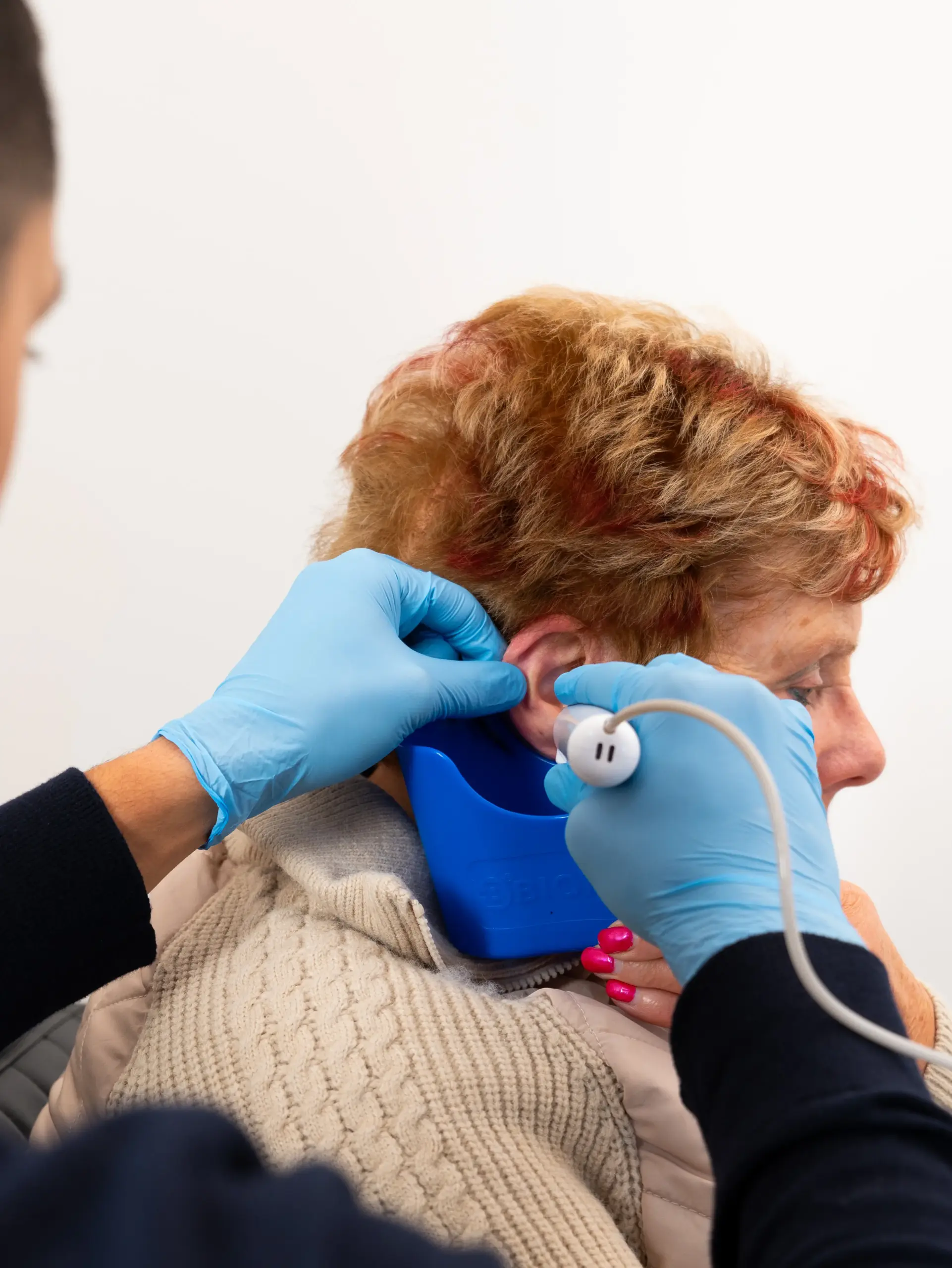
Ear irrigation is a procedure that uses a controlled flow of warm water to flush earwax out of the ear canal. The water loosens and shifts the earwax from the ear canal.
It can work well when wax is soft. But it is not a one size fits all procedure. Safety depends on the health of the ear and how the procedure is carried out.Why Do People Choose Ear Irrigation?
- muffled hearing
- a blocked or full feeling
- ear discomfort linked to wax build-up
- removing the ear wax before a hearing test
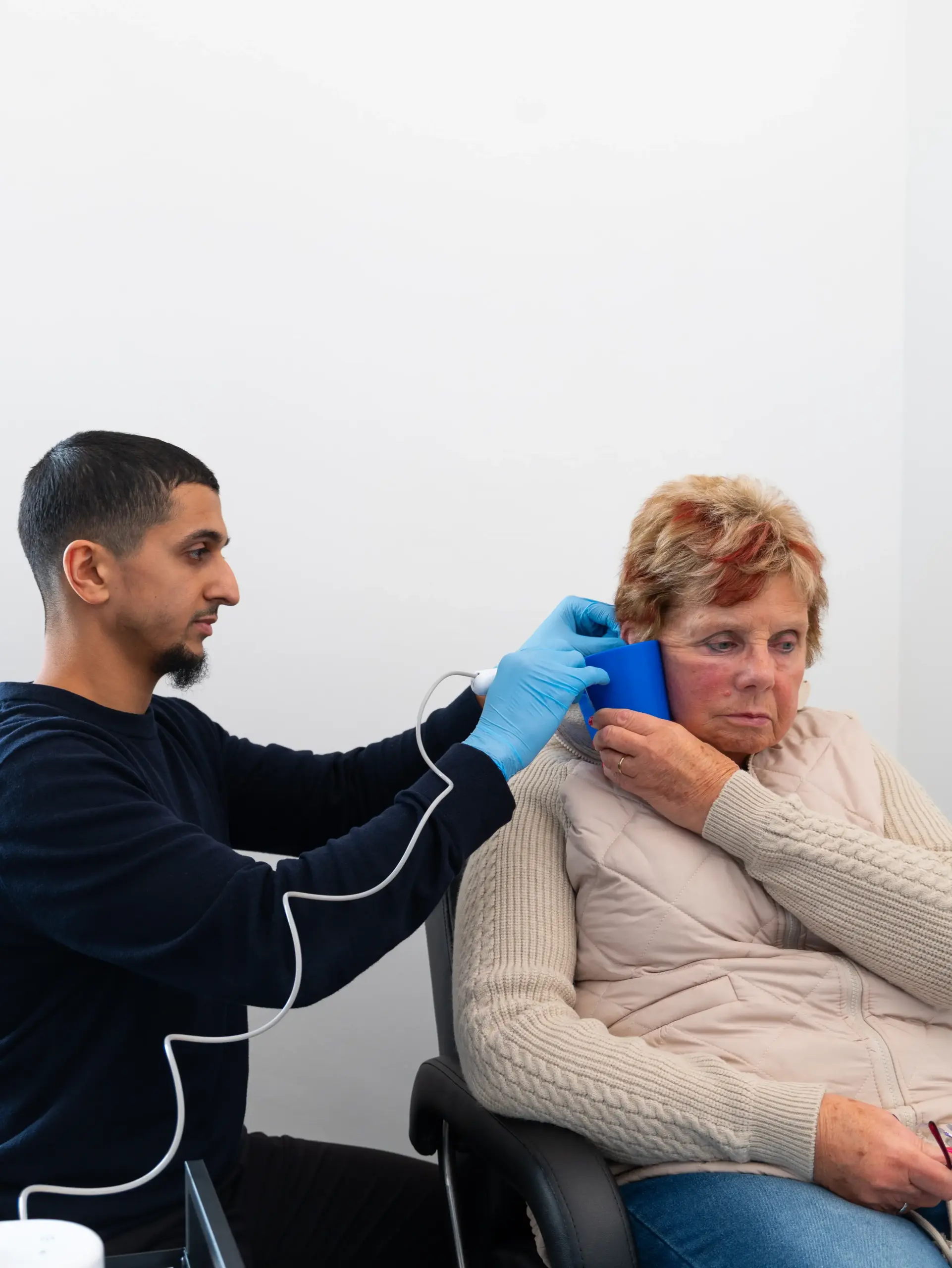
Ear irrigation is widely regarded as a safe and effective way of clearing earwax and restoring hearing in the right cases, with success rates of clearing the affected wax having been reported to be between an approximate of 68% and more than 90% in clinical trials. When performed correctly by a trained professional, the procedure also has the benefit of alleviating discomfort and hearing blockage in most patients in a short period of time.
Is Ear Irrigation Safe?
Ear irrigation can be safe and effective, but only under the right conditions.
Three things matter most:- The health of your ear and eardrum
- The type of earwax
- The procedure is carried out by a trained, experienced professional
Risks of Ear Irrigation and Who Should Avoid It
Ear irrigation can cause problems if it is done on the wrong ear or done incorrectly.
Possible Risks Include:- pain during or after the procedure
- temporary dizziness
- irritation of the ear canal
- increased risk of outer ear infection
- damage to the ear canal or eardrum
- a perforated or previously perforated eardrum
- grommets
- past ear surgery
- frequent ear infections
- ongoing ear pain
- discharge or bleeding from the ear
- sudden or unexplained hearing loss
Benefits of Ear Irrigation
- remove soft earwax that is blocking the ear canal
- reduce the blocked feeling
- improve hearing if wax is the cause
- avoid invasive procedures
- provides instant relief
Alternatives to Ear Irrigation
1. Microsuction
Microsuction uses gentle suction to remove wax while the clinician views the ear with magnification. It does not use water. Because it is controlled and precise, it is a safer option, especially for people who are not suitable for irrigation.
2. Manual Removal with instruments
A clinician may use a curette or small forceps to remove wax under clear visual guidance. This is often used when wax is near the opening or when precise removal is needed.
3. Ear Drops
Wax is usually softened with ear drops and then removed by a professional. On their own, they may not fully clear a blockage, and hearing can feel worse at first as wax swells.
Why a Professional Ear Examination Matters
It is essential to have an ear examination before any kind of treatment is performed. It helps confirm what is causing symptoms and which treatment is safe.
An ear examination helps with:- checking if symptoms are caused by wax or something else
- detect signs of infection, injury, or other ear conditions
- deciding if ear irrigation is safe
- choosing the safest earwax removal method
- avoiding unnecessary complications.
Is Ear Irrigation at Home Safe?
- push the earwax deeper
- irritate the ear canal
- cause infection
- damage the eardrum
When to Seek Professional Ear Care
- blocked or muffled hearing
- ear pain or pressure
- Ringing or buzzing in the ear (tinnitus)
- Dizziness or balance problems
- repeated earwax build-up
- hearing aids getting blocked by earwax
How Direct Ear Care Approaches Ear Irrigation
At Direct Ear Care, ear irrigation is never offered as a default treatment. Every decision is based on what is safest and most appropriate for each individual patient.
Here is what you can expect when you visit us:- a full ear examination before treatment
- all treatments performed by HCPC-registered audiologist
- Ear irrigation is only used when it is confirmed to be the right and safe option
- Microsuction is offered as the preferred alternative in most cases
- You will always receive clear, honest advice so you can make an informed decision
Conclusion
Ear irrigation is a safe and effective treatment for certain individuals. It is not suitable for everyone, and skipping a proper examination beforehand significantly increases the risk of harm.
If you are dealing with blocked ears, muffled hearing, or wax-related discomfort, the first step is always an ear examination. From there, the safest and most effective option can be identified for you specifically.
At Direct Ear Care, every patient receives an honest assessment, personalised care, and treatment from HCPC-registered audiologists who put your safety first.
Frequently Asked Questions
Is ear irrigation painful?
Can ear irrigation cause dizziness?
Is ear irrigation superior to microsuction?
Is it safe to remove earwax at home?
How do I know which treatment is right for me?
How do I prepare for ear irrigation?
Related posts
Is Ear Irrigation Safe? Risks, Benefits and Alternatives

Can Earwax Cause Hearing Loss? Facts You Should Know