You’d never notice hearing loss the moment it starts, and that’s what makes it so dangerous. One loud concert. A full day around heavy machinery. Years of playing music at high volumes. None of it feels harmful today. But together, it can damage your hearing permanently.
The World Health Organization projects that by 2050, nearly 2.5 billion people worldwide will be living with some degree of hearing loss, more than 700 million of whom will need hearing rehabilitation.
The good news is that protecting your ears from continuous loud sound is easier than most people assume. A good pair of earplugs, the right habits, and knowing when your ears need a break make all the difference.
Whether you’re a concert lover, a construction worker, or a musician, this guide covers practical hearing protection tips for each.
Why Do Concerts, Construction Sites, Or Music Pose a High Risk to Hearing?
Human ears are built to handle everyday sounds, not hours of intense noise. Whether it’s a front-row concert, a busy construction site, or a music studio, prolonged exposure to loud sound overwhelms the delicate structures inside the ear. The damage builds up silently all you’ll notice is a subtle difficulty following conversations, picking out speech in noisy places, or enjoying music the way you used to.
A few reasons these environments carry the biggest risk:
- Extremely high noise levels: power tools, concert speakers, jackhammers, and amplified instruments often exceed safe sound levels. Exposure above 85 decibels for extended periods can permanently damage the hearing cells
- Long hours of exposure: musicians and construction workers are often surrounded by loud noise for hours daily. Even moderate volume, repeated often enough, gradually increases the risk of permanent damage
- Sudden loud bursts: speaker feedback, cymbal crashes, hammer drills, and nail guns can expose your ears to sharp sound peaks, sometimes causing immediate stress or injury
- Skipping hearing protection: many people avoid earplugs because they feel uncomfortable or seem unnecessary. Without protection, the inner ear absorbs the full impact of harmful noise, day after day
- Cumulative damage: noise-related hearing loss builds gradually. Over time it can show up as muffled hearing, difficulty understanding speech, persistent tinnitus, or reduced sensitivity to certain frequencies
How To Protect Your Hearing At Concerts
A great concert should leave you with memories, not ringing ears for days. Live music can easily reach damaging sound levels, but you don’t have to give up your favourite shows, a few smart habits can dramatically lower the risk.
1. Wear Custom Hearing Protection
Skip the foam earplugs that muffle everything. Custom hearing protection are designed specifically for concerts they lower the volume while preserving sound quality, so vocals, instruments, and the crowd all still come through clearly at safer levels. They’re small, reusable, and one of the best investments a frequent concertgoer can make.
2. Stay Away from the Speakers
The front-row spot by the speaker stack is tempting, but it’s also where sound intensity is highest. Standing further back or off to the side reduces your exposure while still giving you a great experience.
3. Give Your Ears a Short Break
Your ears need recovery time. At a long concert or festival, step into a quieter area for five to ten minutes every hour. Sh
4. Keep the Volume Low Afterwards
Many people put headphones on straight after a concert. Avoid this, your ears are already under stress, and adding more loud sound increases the risk of temporary or permanent damage. Give them a few hours of quiet so the hypersensitive cells can settle.
5. Don't Ignore Ringing or Muffled Hearing
If your ears ring, feel blocked, or sound muffled after a concert, treat it as a warning sign, not a normal part of the night. Symptoms usually improve, but repeated episodes can lead to permanent hearing loss. If they persist for more than a day or two, book a hearing evaluation.
To learn more about ear ringing, read our blog on Tinnitus — What It Is, What Causes It, and When to Get Help
Hearing Protection Tips for Construction Workers
Construction sites are among the noisiest workplaces. Jackhammers, concrete cutters, drills, compressors, and heavy machinery expose workers to harmful noise throughout an entire shift. Unlike a one-off loud event, this daily exposure damages hearing without obvious symptoms, which is why hearing protection deserves the same priority as a hard hat or safety boots.
1. Wear the Right Hearing Protection Every Day
Earplugs and earmuffs are your first line of defence against harmful noise at construction sites. Choose protective equipment that comes with an appropriate Single Number Rating (SNR), according to your work environment. Ensure it has a proper fit around your ears so that you can have maximum protection.
2. Use Double Protection in High-Noise Areas
Some tasks produce noise levels beyond what earplugs alone can safely manage. In these cases, wear earmuffs over earplugs, the combination adds an extra layer of protection and further reduces the sound reaching your ears.
3. Maintain Equipment to Reduce Noise
Old or poorly maintained equipment generates more noise than necessary. Regular servicing, lubrication, and replacing worn parts helps keep noise levels down, alongside wearing proper hearing protection.
4. Limit Time Around Loud Machinery
The longer you’re exposed, the greater the risk. Rotate tasks among workers where possible, step away from equipment during breaks, and increase your distance from noisy machines when you’re not actively using them.
5. Get Regular Hearing Tests
Hearing loss develops gradually, which makes early symptoms easy to miss. Routine hearing screenings help you catch changes before they become severe and know when to adjust your protection habits or seek advice.
Related reading: book a free hearing test with Direct Ear Care
How To Protect Your Ears While Enjoying Music
Music is meant to be enjoyed for a lifetime, not at the cost of your hearing. Whether you’re streaming playlists, attending concerts, or practising with a band, your daily choices have a lasting impact on your hearing health and none of them require sacrificing sound quality.
1. Follow the 60/60 Rule
Keep headphone volume at no more than 60% of maximum and limit continuous listening to 60 minutes before taking a break.
2. Invest in Quality Noise-Cancelling Headphones
In noisy places like trains or flights, resist the urge to turn the volume up to block out background noise. Noise-cancelling headphones reduce ambient sound instead, letting you hear music clearly without pushing the volume to unsafe levels.
3. Give Your Ears Time to Recover
After a gig or hours of listening, spend some time in complete silence. Don’t put headphones back in immediately, even at a moderate volume. regular breaks help your ears recover and reduce the cumulative effects of long-term exposure.
4. Play in Spaces with Better Acoustics
The room you listen or play in matters as much as the volume. Spaces with good acoustics deliver cleaner, more balanced sound, so you don’t need to increase the volume to hear clearly. Avoid rooms where echo or distortion tempts you to turn it up.
5. Use Volume-Limiting Features
Most phones and music apps include a built-in volume limiter or safe listening alert. Turning these on helps prevent accidental volume spikes, particularly when wearing headphones.
Custom Hearing Protection: The Best Option for Musicians and Regular Noise Exposure
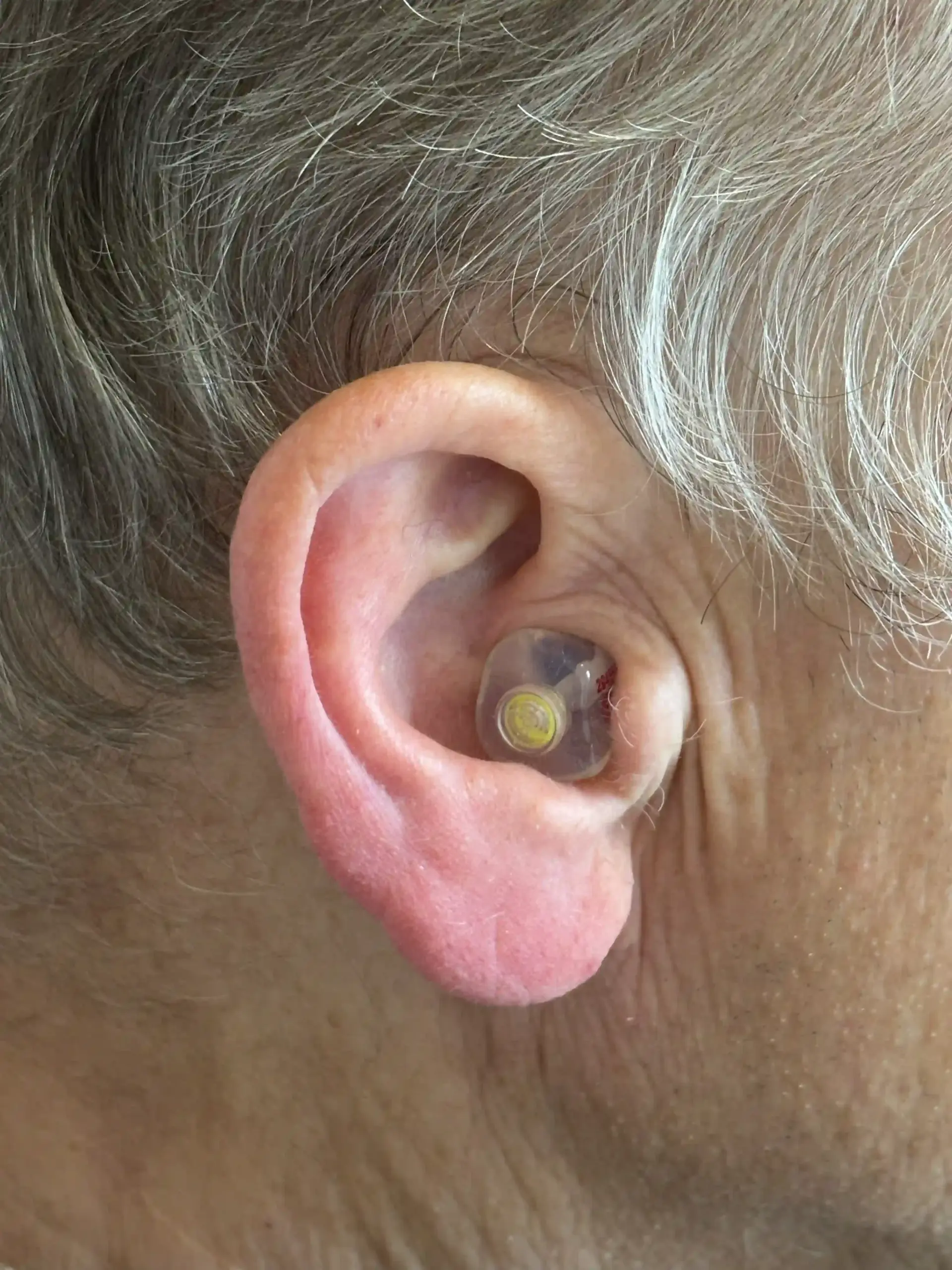
For musicians, sound engineers, and anyone regularly exposed to loud environments, custom-moulded hearing protection offers a level of comfort and precision that off-the-shelf options can’t match. Unlike generic foam or one-size earplugs, custom protection is moulded to the exact shape of your ear canal, giving a secure, comfortable fit for extended wear.
Custom musicians’ earplugs use filtered attenuation, which reduces volume evenly across frequencies rather than muffling certain sounds more than others — so music still sounds balanced and clear, just quieter. This makes them a genuine long-term investment for anyone who performs, works, or spends significant time around loud sound regularly.
What Are The Signs Of Reduced Hearing?
Hearing loss never happens overnight, so early warning signs are easy to miss. Many people assume someone is mumbling, or that background noise is simply loud, without realising their own hearing has changed. Watch for:
- Conversations sounding muffled, especially in busy restaurants, offices, or social settings
- Frequently asking people to repeat themselves
- The TV, music, or phone volume creeping up because standard settings no longer sound clear
- Difficulty understanding high-pitched voices
- Ringing, buzzing, or humming in the ears (tinnitus) after noise exposure or in quiet settings
- Struggling to follow group conversations when several people talk at once
- Missing everyday sounds like doorbells, notifications, or kitchen timers
If any of this sounds familiar, don’t wait, a hearing test can tell you what’s going on.
What Are The Common Hearing Protection Mistakes To Avoid
Protecting your ears isn’t only about wearing earplugs or turning the volume down, small daily mistakes can quietly undermine even good habits.
1. Wearing Protection Incorrectly
Earplugs and earmuffs only work if they fit properly. Loosely inserted earplugs or poorly fitted earmuffs won’t block harmful sound effectively, sharply reducing their protection.
2. Waiting Until the Noise Feels Too Loud
Many people only reach for protection once they’re already uncomfortable by then, some damage may already be underway. Put protection on before entering a noisy environment, not after.
3. Assuming Short Exposure Is Harmless
A single loud concert or burst of machinery noise can damage hearing even with brief exposure, because high-intensity sound puts significant stress on the ear’s sensory cells.
4. Reusing Damaged or Dirty Earplugs
Reusable earplugs wear out over time, and disposable ones are meant for one-time use. Damaged or dirty earplugs are less effective at blocking noise and can increase the risk of ear infections. Separately, regular earplug or earbud use in general even with clean, well-fitted devices can gradually push earwax deeper into the ear canal, so it’s worth having your ears checked periodically if you use them daily.
5. Ignoring Early Warning Signs
Ringing, muffled hearing, or difficulty understanding conversations after noise exposure should never be dismissed as normal. These are signals that your hearing has been affected.
When Should You Visit a Professional Ear Clinic?
Not every hearing problem is painful or sudden, many changes develop gradually and get overlooked as a result. A professional ear clinic can identify the cause, prevent further damage, and make sure you get the right treatment before things get worse. Book an assessment if:
- Ringing, buzzing, or humming continues for more than a day or keeps returning
- Sounds remain muffled or your ears feel blocked despite home care
- You struggle to follow conversations in restaurants, meetings, or noisy places
- You have persistent ear pain, fluid discharge, dizziness, or balance problems
- You notice a sudden decline in hearing in one or both ears
- You regularly attend concerts, work in construction, or practise music, and want to catch early signs of damage
Conclusion
Protecting your hearing isn’t about giving up concerts, music, or a career in construction. It’s about making smarter choices every day. The right earplugs or earmuffs, limiting exposure, and recognising the early signs before they become permanent.
Noise-induced hearing loss is permanent but preventable, which makes early action the best investment you can make. If you notice even a subtle change in your hearing, don’t ignore it, a professional assessment can tell you exactly what’s happening and what to do about it.
Don’t Wait for the Symptoms to Worsen
If you have noticed ringing in your ears, muffled hearing, or difficulty in following conversations, don’t wait for it to get worse; get your ears checked to reduce the chances of permanent hearing loss. At Direct Ear Care, we offer comprehensive hearing assessments, ear wax removal, hearing aids, and custom hearing protection through experienced HCPC-registered audiologists.
Frequently Asked Questions
How loud is too loud for the ears?
Sounds above 85 decibels can damage hearing with extended exposure. Common sources include heavy traffic, power tools, concerts, and construction equipment. The louder the noise, the shorter the safe exposure time which is why using proper hearing protection and limiting exposure matters.
How do I choose the right hearing protection for my lifestyle?
It depends on where you’re exposed to noise. Concertgoers and musicians benefit from high-fidelity or custom-moulded earplugs that preserve sound quality. Construction workers should look for hearing protection with an appropriate SNR rating typically 25 to 30 in earplug or earmuff form. Frequent headphone users benefit from noise-cancelling models, so they’re not tempted to raise the volume. Whatever you choose, comfort matters for long-term, consistent use.
Can headphones cause permanent hearing loss?
Yes, headphones can contribute to permanent hearing loss if you listen at high volumes for long periods. The risk usually depends both on the volume and the duration of listening. So, you can follow the 60/60 rule, where the volume will be kept at 60% of the maximum capacity at max and no more listening to music more than 60 minutes at a time.
When is it time to consult an audiologist?
See an audiologist if you experience persistent ringing, muffled hearing, difficulty understanding conversations, or find yourself frequently asking people to repeat themselves. It’s also worth booking an assessment after repeated exposure to loud environments, or if your hearing doesn’t seem to recover after a noisy event.
How often should I get my hearing checked?
Most adults benefit from a routine hearing test, with further assessments as recommended by their audiologist. If you regularly attend concerts, work in construction, perform as a musician, or are frequently exposed to loud noise, an annual hearing check is strongly recommended.
Written and medically reviewed by:

Ibrahim Musa
Audiologist
Related posts
Why Do My Ears Pop? Causes and Treatments
How Often Should You Clean Your Ears? A Guide to Earwax Removal Frequency