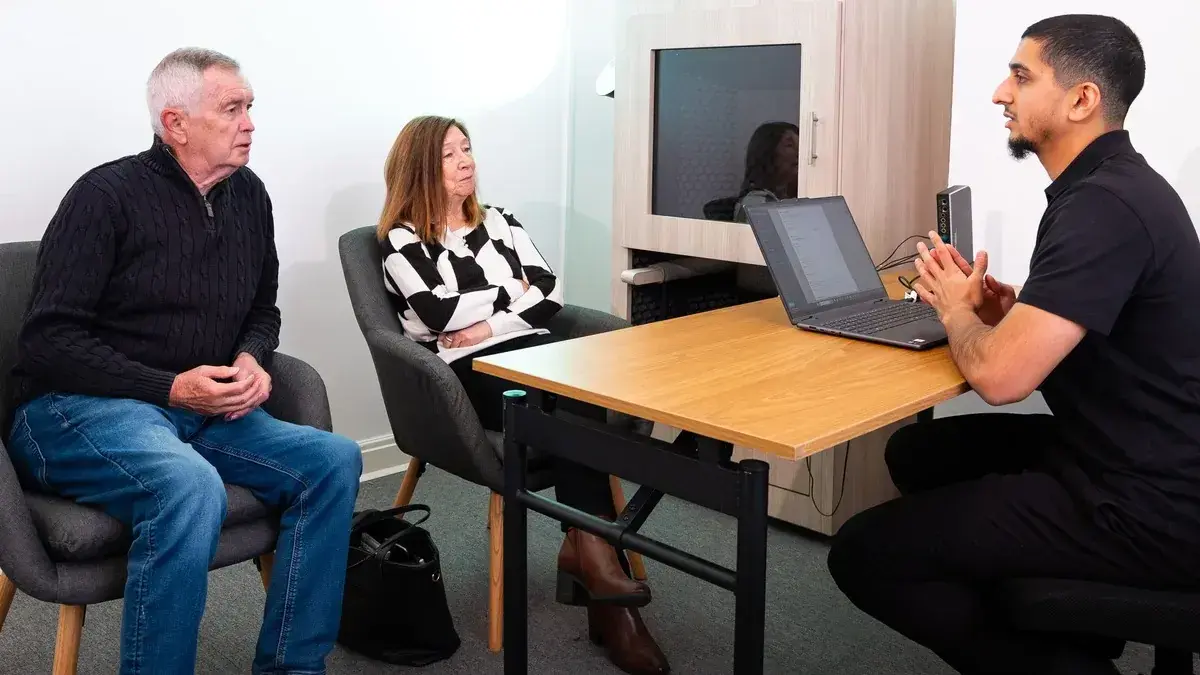
Hearing loss rarely arrives all at once. It creeps in a missed word here, a louder TV there, a dinner where you nod along without catching the joke. Over time, trying to hear, or pretending to hear, makes everyday conversations harder work than they should be.
It is very common. RNID estimates that around 18 million people in the UK are deaf, have hearing loss or have tinnitus. And because it builds slowly, the NHS notes that sometimes someone else spots the problem before you do.
Not every change in hearing means you need hearing aids. The strongest signs are ongoing difficulties that get in the way of communication. This guide covers 10 signs to look for, why a hearing test comes first, and what happens if hearing aids are recommended.
10 Signs You May Need Hearing Aids
1. You often ask people to repeat themselves
Asking “sorry, what?” now and then is normal. Asking several times a day or still missing the sentence after it has been repeated, is different. Speaking louder does not help if you are missing certain speech sounds. A full hearing test with speech-in-noise test shows how well you understand words, in quiet and in noise.
2. You can hear voices but not the words
If people sound loud enough but seem to mumble, the problem is clarity, not volume. Most hearing loss affects high-pitched sounds first. These include s, f, sh and th, the sounds that tell one word from another. Lose them and “fifteen” can sound like “fifty”. Hearing aids add amplification only at the pitches where your hearing is weaker, instead of making everything louder.
3. You turn the TV up louder than others want it
Needing the TV or music louder than the people around you is a common sign of hearing loss, according to the NHS. Hearing aids give you steady amplification matched to your hearing, so you’re not constantly reaching for the remote.
4. Background noise makes conversations hard to follow
Restaurants, meetings and family gatherings are hard for most people with hearing loss. If you also struggle in a quiet room, the problem goes beyond noise. Modern hearing aids use microphones that focus on the person in front of you. They cannot remove background noise completely, but they can help speech stand out.
5. You struggle to hear people from a distance
You may follow every word up close, then lose parts of the conversation once they move across the room. A voice gets weaker with distance, and nearby sounds compete with it. Hearing aids make distant voices more audible. For lectures or meetings, a compatible remote microphone can send the speaker’s voice straight to your hearing aids.
6. Phone calls are hard to follow
Phone calls take away lip movements and facial expressions, which many people with hearing loss rely on without realising. If you avoid calls, use speaker, or hand the phone to someone else, your hearing may be filling fewer gaps than it used to. Many hearing aids connect to compatible smartphones and stream calls into both ears, which can be easier to follow than holding a phone to one ear.
7. One ear hears better than the other
If you always turn your “good” ear towards people, or struggle when someone speaks on your weaker side, your hearing may be uneven. Your brain uses both ears to work out where sounds come from, so uneven hearing can make it hard to locate voices, traffic or alarms.
When both ears have hearing loss, two hearing aids give you sound from both sides. NICE recommends have two hearing aids when both ears can benefit. If one ear has very little usable hearing, a CROS or BiCROS system can pick up sound on that side and send it to your better ear.
8. You miss everyday sounds like the doorbell or alarms
Missing the doorbell, a kettle whistle, birdsong or a smoke alarm are all signs worth acting on. A missed smoke alarm is a safety issue, so do not wait. Hearing aids make these sounds more noticeable, so you rely less on others to tell you what you missed.
9. Listening leaves you tired, or you avoid social situations
Concentrating hard to follow conversations is tiring. Feeling tired or stressed from the effort of listening is a sign of hearing loss. Some people start skipping gatherings, staying quiet in groups or leaving early because keeping up feels like too much.
Hearing aids can make listening less of an effort. Hearing loss is also one of the risk factors for dementia that the 2024 Lancet Commission says may be modifiable. Hearing aids have not been proven to prevent dementia, but looking after your hearing is part of looking after your overall health.
Read next: “Can Untreated Hearing Loss Affect Memory And Dementia Risk?”
10. Your usual workarounds no longer work
Turning up the volume, switching on captions, sitting closer or reading lips can all help in some situations. But they do not go with you. You cannot move closer in every meeting, put captions on a surprise conversation, or control the noise in a busy café. Hearing aids that are fitted and programmed to your hearing loss can support you as you move between places.
Hearing Test First, Then Hearing Aids
A hearing test always comes first. Hearing aids are not one-size-fits-all. Buying them before you know the type and degree of your hearing loss can leave you with too little, too much or badly targeted amplification.
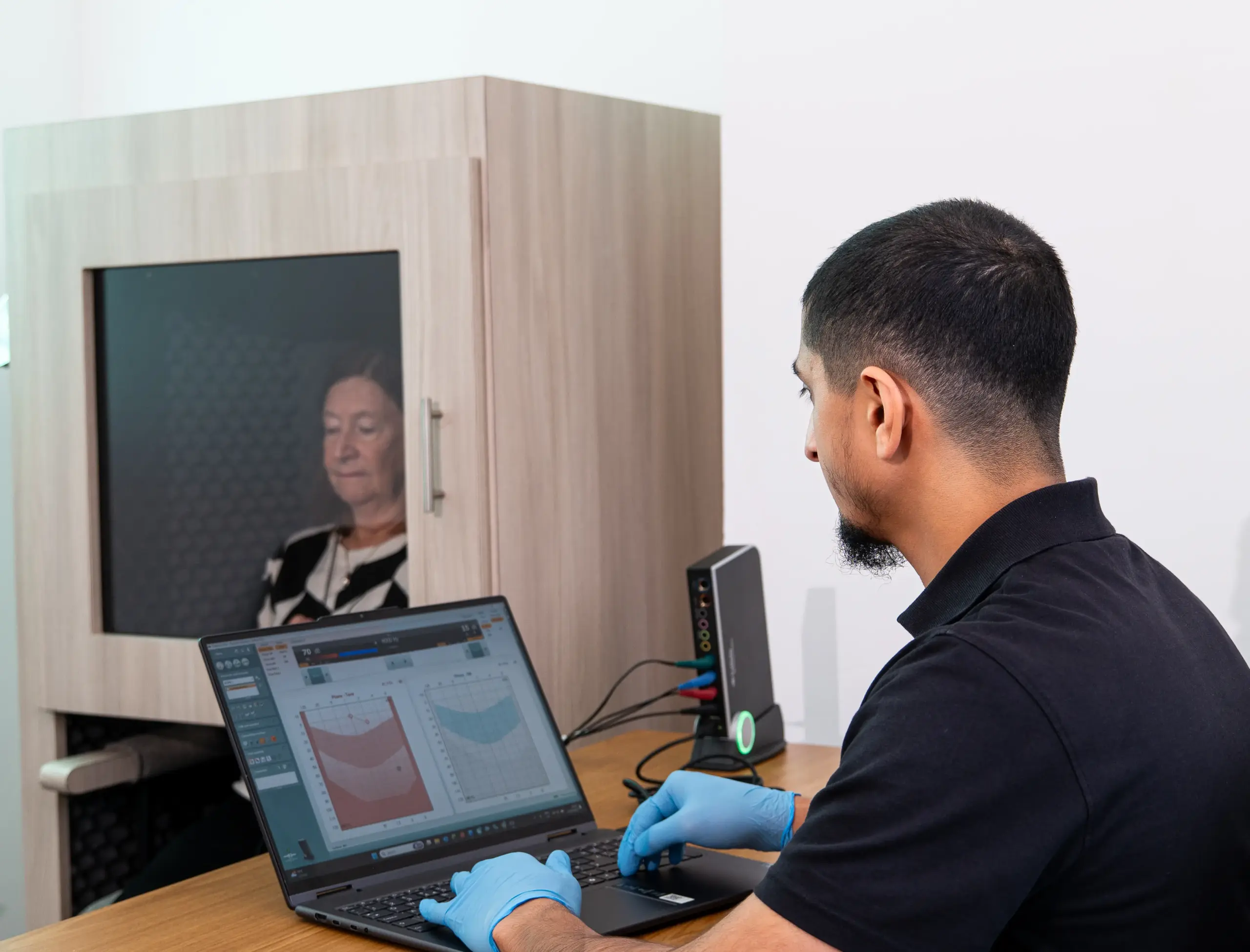
A full hearing test produces an audiogram, a chart of the quietest sounds you can hear at each pitch in each ear. Your audiologist uses it, along with speech testing and your daily difficulties, to decide whether hearing aids are appropriate. If they are, the hearing aids are programmed to your hearing levels, not to a generic volume.
Sometimes the cause is earwax or an ear infection. These need treatment, not amplification. If your ears feel blocked or itchy, check these signs first.
Read next: “7 Signs You Need Professional Earwax Removal”
What Happens If You Need Hearing Aids?
If your test shows hearing aids will help, your audiologist uses your results, your speech understanding and your lifestyle to recommend the right type.
Step | What happens |
1. Hearing test | Shows the degree and pattern of hearing loss in each ear. |
2. Talk through your day | You explain where you struggle: calls, TV, restaurants or meetings. |
3. Choose the hearing aids | Style, power, battery type and features are matched to you. |
4. Programme them | Amplification is set to your hearing levels at each pitch. |
5. Wear and adjust | You use them day to day and tell your audiologist what sounds too loud, unclear or uncomfortable. |
6. Follow up | Your audiologist checks fit and progress. |
What to Expect After Getting Hearing Aids
At first, everyday sounds can seem surprisingly noticeable. Footsteps, rustling paper, cutlery and even your own voice may sound different, because you are hearing sounds you had been missing. That does not mean the hearing aids are too strong, it may take a few weeks or months to get used to them.
Many people notice a difference in the situations that made them seek help. If conversations stay unclear, speech sounds too loud or background noise feels overwhelming, tell your audiologist. Further adjustment often helps.
How to Choose the Right Hearing Aids
The right type of hearing aids depends on your hearing test, where you struggle most and how you live day to day. Price or a long feature list alone will not tell you. Ask your audiologist about the features that match your life, such as phone streaming, rechargeable batteries, remote microphones, and whether you need one hearing aid or two. More features do not automatically mean better hearing.
How Direct Ear Care Can Help
If several of these signs sound familiar, the simplest next step is to speak to an HCPC-registered audiologist at Direct Ear Care.
- Free hearing check: an ear examination to check for ear wax build-up and hearing screening shows whether a full hearing test is worth doing.
- Full hearing test: an audiogram and speech testing, to show whether hearing aids will help and which type suits you. Book a free hearing test.
- Two-week free trial: Get a free hearing aid trial programmed to your results in real life.
- Aftercare: Hearing aid aftercare follow-up appointments, six-monthly check-ups and a hearing retest every two years come with every pair.
- Clinic or home visits: Manchester or Bamber Bridge, or book a hearing test at home.
Conclusion
Hearing difficulty is a strong reason to consider hearing aids when it regularly gets in the way of conversations, phone calls, listening at a distance or your independence.
A full hearing assessment can show whether hearing aids will help and which type suits you.
Think your hearing needs more support?
If these signs sound familiar, do not wait for it to get worse. Start with a free hearing check and get clear, honest advice on what will help.
Frequently Asked Questions
How do I know if my hearing loss is bad enough for a hearing aid?
It is worth checking when hearing loss regularly affects conversations, TV, phone calls, work or everyday tasks. Common signs are asking people to repeat themselves, struggling in group conversations, and hearing voices without catching the words. A full hearing test measures the degree and pattern of loss to show whether hearing aids will help.
Why can I hear people talking but not understand what they say?
Loudness and clarity are different problems. Most hearing loss affects certain pitches, usually high ones. So you hear that someone is speaking but miss the sounds that separate words, such as s, f, th and sh. Turning up the volume does not bring those details back. Hearing aids add amplification only where your hearing is weaker.
Does difficulty hearing high-pitched sounds mean I need hearing aids?
It often points to hearing loss, because high-pitched sounds carry much of the clarity in speech. You may also miss children’s voices, birdsong or the microwave beep. A hearing test shows how much high-pitched hearing you have lost. If hearing aids are suitable, they are programmed to amplify those pitches.
Can you need a hearing aid for only one ear?
Yes. Hearing loss in one ear makes it harder to follow people on that side and to tell where sounds come from. A single hearing aid can help if the weaker ear still has usable hearing. If it has very little, a CROS or BiCROS system can send sound from that side to your better ear.
Can a hearing test tell me if I need a hearing aid?
Yes, a full hearing test shows whether you have hearing loss, which pitches are affected and how severe it is. It can also include speech testing in quiet and in background noise. Together with what you tell your audiologist about daily difficulties; this shows whether hearing aids will help. A free hearing check is a quick screening that tells you whether a full test is worth doing.
How much do hearing aids cost in the UK?
Private hearing aids can cost from £1,100 to £3,950 for a pair, depending on the technology and the services included. For our current prices, see our pricing page. Always compare the full package, including fitting, follow-ups, warranty and repairs, not just the device price.
Will my hearing get worse if I do not wear hearing aids?
Hearing aids do not stop the underlying cause of hearing loss from progressing. The cause might be ageing, noise exposure, some medicines or ear conditions. But leaving hearing loss untreated can make communication harder and lead to tiredness and withdrawing from social life. Untreated hearing loss is also linked to a higher dementia risk. Hearing aids improve access to sound, but they do not repair damaged hearing.
Written and medically reviewed by:

Ibrahim Musa
Audiologist
Related posts
How Often Should Adults Have Their Hearing Checked?
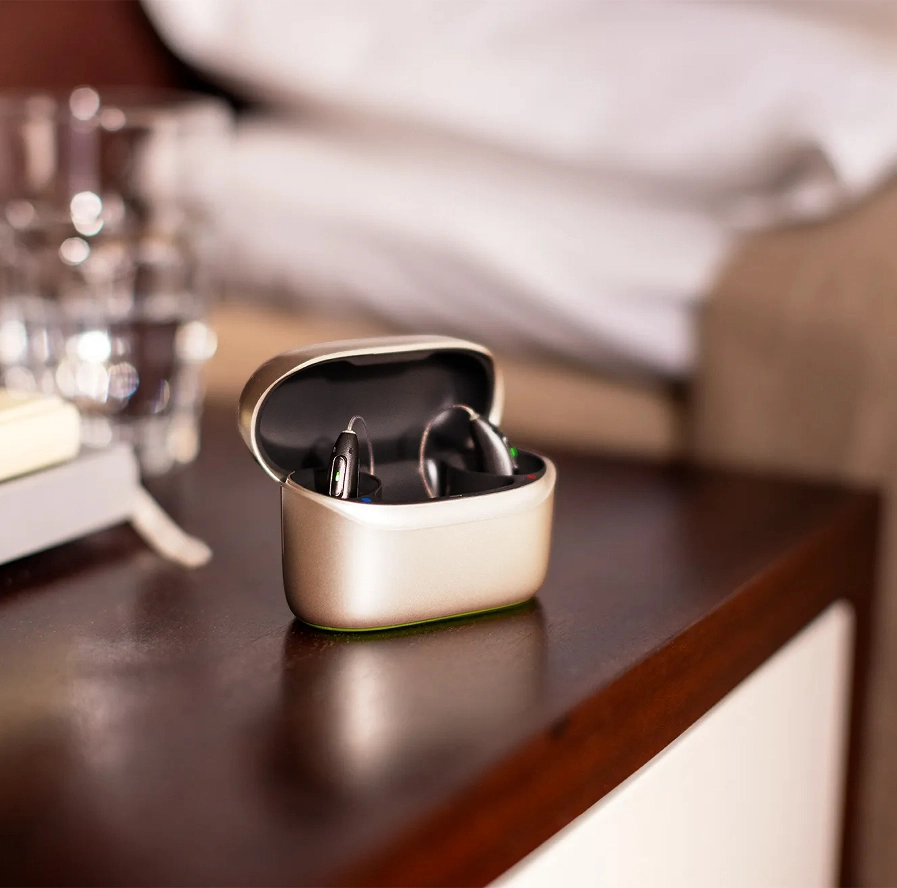
Rechargeable Hearing Aids vs Battery Hearing Aids: Which Is Better?