Hearing aid prices in Manchester range from nothing on the NHS to well over £4,000 privately, depending on the technology, the style, the brand, and what is included in the aftercare package.
This guide breaks down exactly the cost, what your options are in Manchester, what the NHS provides and where its limitations lie, what to look for and what to watch out for when comparing private providers. By the end, you will have a clear picture of what you are paying for and how to make a decision that suits your hearing needs, lifestyle, and budget.
NHS Hearing Aids in Manchester: What You Get for Free
What Is Included with NHS Hearing Aids
- Hearing aids supplied at no charge, including initial fitting.
- Batteries and basic maintenance covered for the duration of NHS care.
- Follow-up appointments and adjustments through your NHS audiology service
- Devices fitted by qualified NHS audiologists
Limitations of NHS Hearing Aids
NHS hearing aids are clinically effective and genuinely help many people. However, there are real limitations worth understanding before deciding whether NHS provision meets your needs.
- Waiting times: NHS audiology services in Manchester are in high demand. Waiting times from GP referral to first appointment can be significant, contact your GP surgery or local NHS audiology department for current estimated waiting times in your area, as these change regularly.
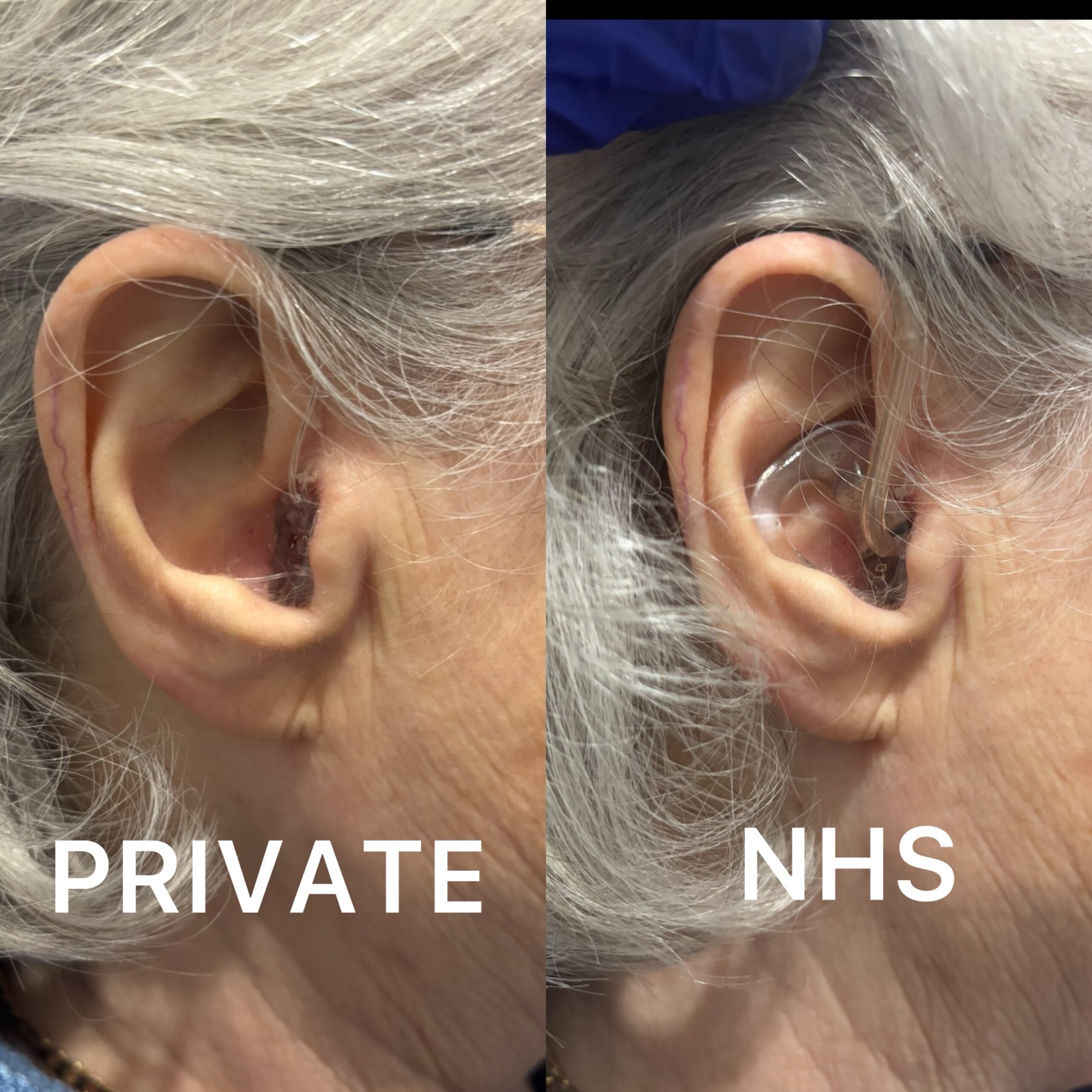
- Style options: NHS provision is focused primarily on behind-the-ear (BTE) models. Different types of hearing aids such as in-the-ear, invisible, and receiver-in-canal styles are not available through the NHS.
- Technology level: NHS devices provide reliable digital amplification but typically do not include advanced features such as AI-powered noise processing, rechargeable batteries and many more features.
- Limited choice: The NHS works with a defined list of approved suppliers, which means the range of brands and models available to you is more restricted than through a private provider.
Best for: People who need a basic hearing aid and for whom cost is the primary consideration.
2. Private Hearing Aids in Manchester: Full Cost Breakdown
Private providers include a professional hearing assessment, custom fitting, follow-up appointments, and an aftercare package within the overall price. Always confirm exactly what is included before committing, as packages vary between providers.
Hearing Aid Prices in Manchester
For a full breakdown of hearing aid prices at Direct Ear Care, including what is included at each level, visit our pricing page.
What Private Hearing Aids Include
- Access to advanced technology and features such as AI noise processing, distinguish speech from background noise, automatic adjustments, direct audio streaming, and rechargeable options.
- Fully personalised fitting and programming tailored to your specific hearing loss profile.
- Detailed one-to-one appointments with time to understand your hearing needs and lifestyle.
- Significantly faster access, private providers can offer an appointment within one to two weeks.
- Free trial periods of up to 14 days at many clinics, allowing you to test the device in real-life situations before committing.
Best For: People who want faster service, access to the latest technology, a wider range of styles, and a more personalised experience.
NHS vs Private Hearing Aids in Manchester: Detailed Comparison
| Area | NHS Hearing Aids | Private Hearing Aids (e.g. Direct Ear Care) |
| Cost | Completely free, including fittings, maintenance, and batteries, making it a cost-effective choice for eligible patients. | Typically range from £1,150 to £3,950 per pair, depending on the technology level, features, and service package included. |
| Waiting Time | Waiting times can range from 6 to 12 weeks or more due to demand across NHS audiology services in Manchester. | Appointments are available within the same week or the next available slot, offering faster diagnosis and treatment. |
| Style Options | Limited to behind-the-ear (BTE) models, which are functional but less discreet and bulky in appearance. | Wide variety including BTE, RIC, ITE, ITC, CIC, and IIC, allowing users to choose based on comfort, lifestyle, and visibility preferences. |
| Technology Level | Standard digital hearing aids that provide reliable amplification but may lack advanced sound processing features. | Full range from basic to premium AI-powered devices with advanced noise reduction, speech clarity, and environment adaptation. |
| Rechargeable Options | Rechargeable models are not provided, relying on disposable batteries. | Rechargeable hearing aids are widely available across most tiers, offering convenience and lower long-term maintenance effort. |
| Bluetooth & App Connectivity | Available in hearing aids. | Available in all models, enabling streaming, hands-free calls, and app-based control for a more connected experience. |
| Aftercare & Support | Includes standard NHS follow-up appointments and maintenance, but availability may depend on clinic workload. | Comprehensive aftercare packages, including regular check-ups, adjustments, servicing, and ongoing support, are usually included. |
| Personalisation | Basic fitting based on general hearing profiles, with limited customisation options. | Fully personalised fitting and programming tailored to your specific hearing loss, lifestyle, and daily environments. |
| Trial Period | No formal trial period is offered once the hearing aids are issued. | Trial periods of up to 60 days are commonly offered, allowing you to test the device in real-life situations before committing. |
| Choice of Brand | Limited choice, as devices are supplied through NHS-approved manufacturers. | Access to a wide range of leading global brands, offering more flexibility in performance, features, and design. |
What Drives the Cost of Private Hearing Aids?
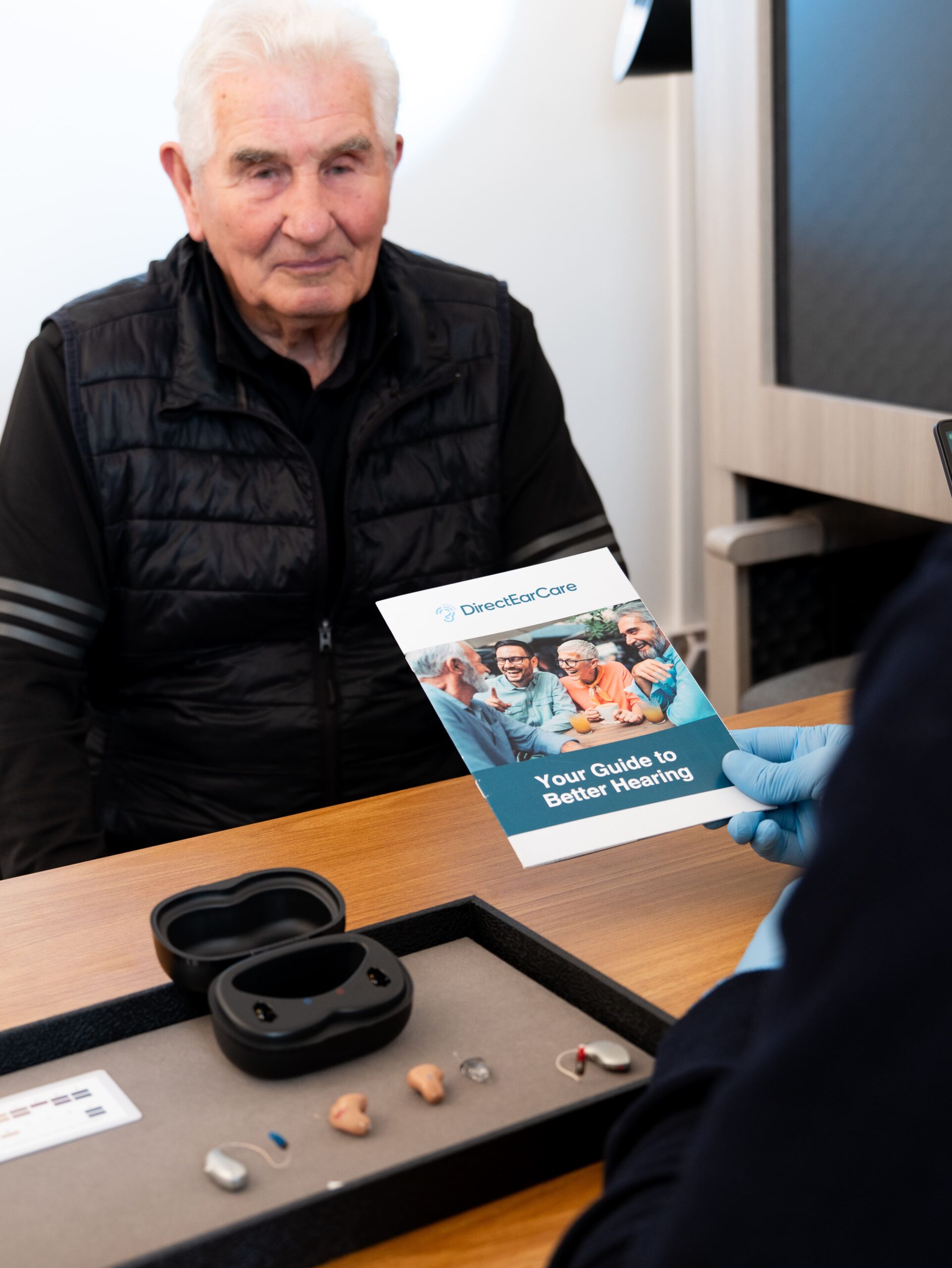
Private hearing aid prices range from £495 to over £4,000 per pair. Understanding what drives that range helps you make a smarter decision rather than simply choosing by price.
1. Technology Level and Features
The biggest single cost factor is the level of processing technology inside the device. Entry-level hearing aids amplify sound, but a higher-tier device uses advanced processing to distinguish speech from background noise in real time. In practical terms, this makes a significant difference in the environments Manchester patients live in busy restaurants, open-plan offices, family gatherings, and social situations where background noise is constant.
Higher-tier devices also include features such as automatic environment adaptation, AI-driven sound optimisation, feedback suppression, Bluetooth connectivity, hands-free calling, music streaming, and smartphone app control. These features push prices into the £2,500 to £4,000+ range but for people who rely on clear hearing in demanding situations, they deliver real, measurable benefit.
2. Brand and Manufacturer
Established global hearing aid brands invest heavily in research, clinical testing, and product development which is reflected in the price of their devices. Premium brands tend to offer more refined sound processing, greater reliability, and longer effective lifespans. At Direct Ear Care, we are not tied to a single manufacturer, which means we can recommend the right device for your needs across a wide range of brands and price points.
3. Aftercare and Service Package
4. Warranty and Trial Periods
5. Optional Accessories
Hidden Costs to Watch Out For
- Hearing assessment fee: most reputable private providers include this; some charge separately.
- Fitting and programming: should always be included; clarify before booking.
- Follow-up appointments: how many are included, and for how long after purchase?
- Batteries: are these supplied throughout the aftercare period or charged separately?
- Ear moulds: custom-made ear moulds typically add £60 to £150 per pair where needed.
- Earwax removal: if earwax removal is needed before fitting, this may be charged separately; at Direct Ear Care this is available at transparent pricing.
- Loss or accidental damage cover: insurance for hearing aids typically costs £5 to £15 per month and is worth considering, particularly for premium devices.
- Reprogramming and retuning: are adjustments included in the aftercare package or charged per visit?
Get a 60-day Money-Back Guarantee with Direct Ear Care’s Hearing Aids
What Are the Hearing Aid Finance Options in Manchester?
1. Interest-Free Finance
Direct Ear Care offers 0% interest-free finance on hearing aid packages, allowing you to spread the cost over a set period without paying more overall. This makes higher-tier devices accessible without requiring the full cost upfront. Finance is subject to eligibility contact us for current terms.
2. Employer and Insurance Schemes
Some occupational health schemes and private health policies cover part or all the cost of hearing aids. This is worth verifying before you commit to any payment arrangement.
Get Interest-Free Hearing Aids with Direct Ear Care
Why Choose Direct Ear Care for Hearing Aids in Manchester?
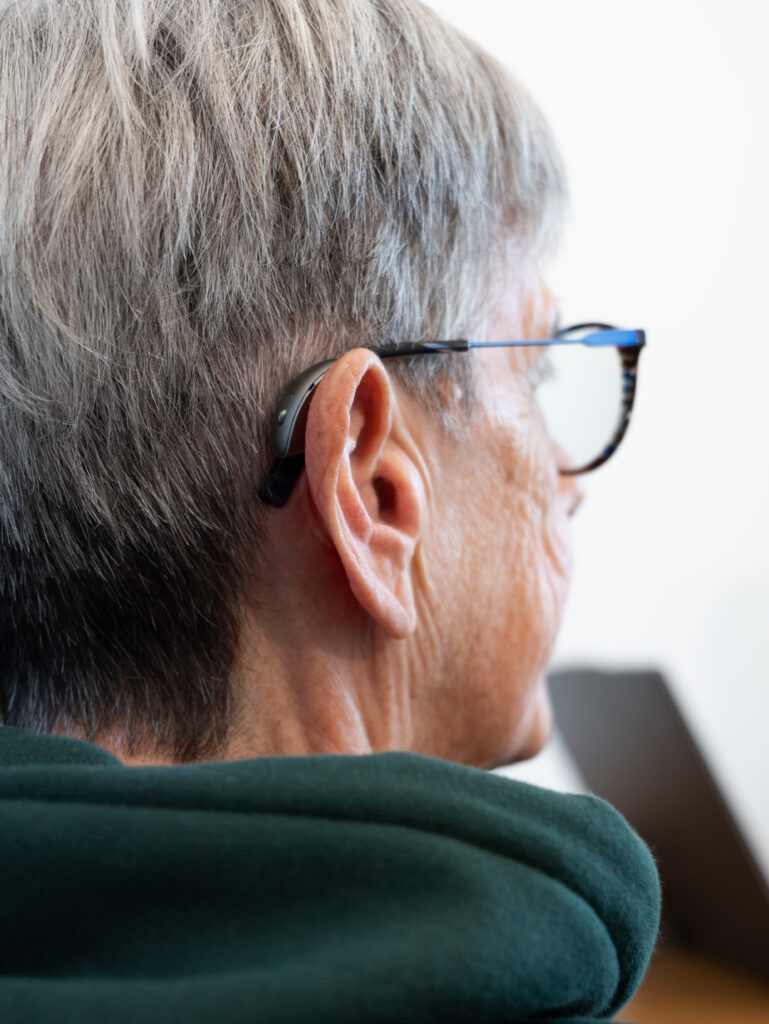
Patient wearing a discreet modern hearing aid Place in the Why Choose Direct Ear Care
Manchester has a range of hearing care options, NHS audiology services, large national chains with multiple city locations, and independent private specialists. There are real differences between them that are worth understanding.
Here is what sets Direct Ear Care apart:
1. Longer, More Thorough Appointments
2. No Sales Targets
3. Wide Brand Choice
4. Home Visits Across Manchester
5. Transparent Pricing and Aftercare
Conclusion
The cost of hearing aids in Manchester ultimately comes down to what you need and what you value most. NHS hearing aids are free, but they come with waiting times, limited style options, and basic technology. Private hearing aids require an upfront investment, but they offer faster access, the latest technology, a far wider range of choices, and a level of personalisation that makes a real difference to daily life.
Hearing Aid Aftercare is as important as the hearing aid device itself. A hearing aid that is properly fitted, regularly adjusted, and supported over time will outperform a more expensive device that has been poorly fitted or left without professional follow-up.
If you are unsure which route is right for you, the best first step is a hearing assessment. Understanding your specific hearing loss, its type, degree, and which frequencies are most affected gives you the information you need to make a genuinely informed decision.
At Direct Ear Care, hearing assessments are available at our clinics and through home visits. There is no obligation to buy just an honest assessment of your hearing and clear guidance on your options.
Book a Hearing Assessment with Direct Ear Care
If you’re looking for expert guidance and personalised solutions, Direct Ear Care offers comprehensive hearing assessments and access to a wide range of advanced hearing aids in Manchester.
You get faster appointments, home visit options, expert guidance from HCPC-registered audiologists, and ongoing aftercare designed for your lifestyle.
Written and medically reviewed by:

Ibrahim Musa
Audiologist
Frequently Asked Questions
How much do hearing aids cost in Manchester?
Can I get free hearing aids in Manchester?
What is the difference between NHS and private hearing aids?
Why are private hearing aids so expensive?
Does Direct Ear Care offer finance for hearing aids?
Where can I get a hearing test in Manchester before buying hearing aids?
What should I ask before buying private hearing aids?
Related posts
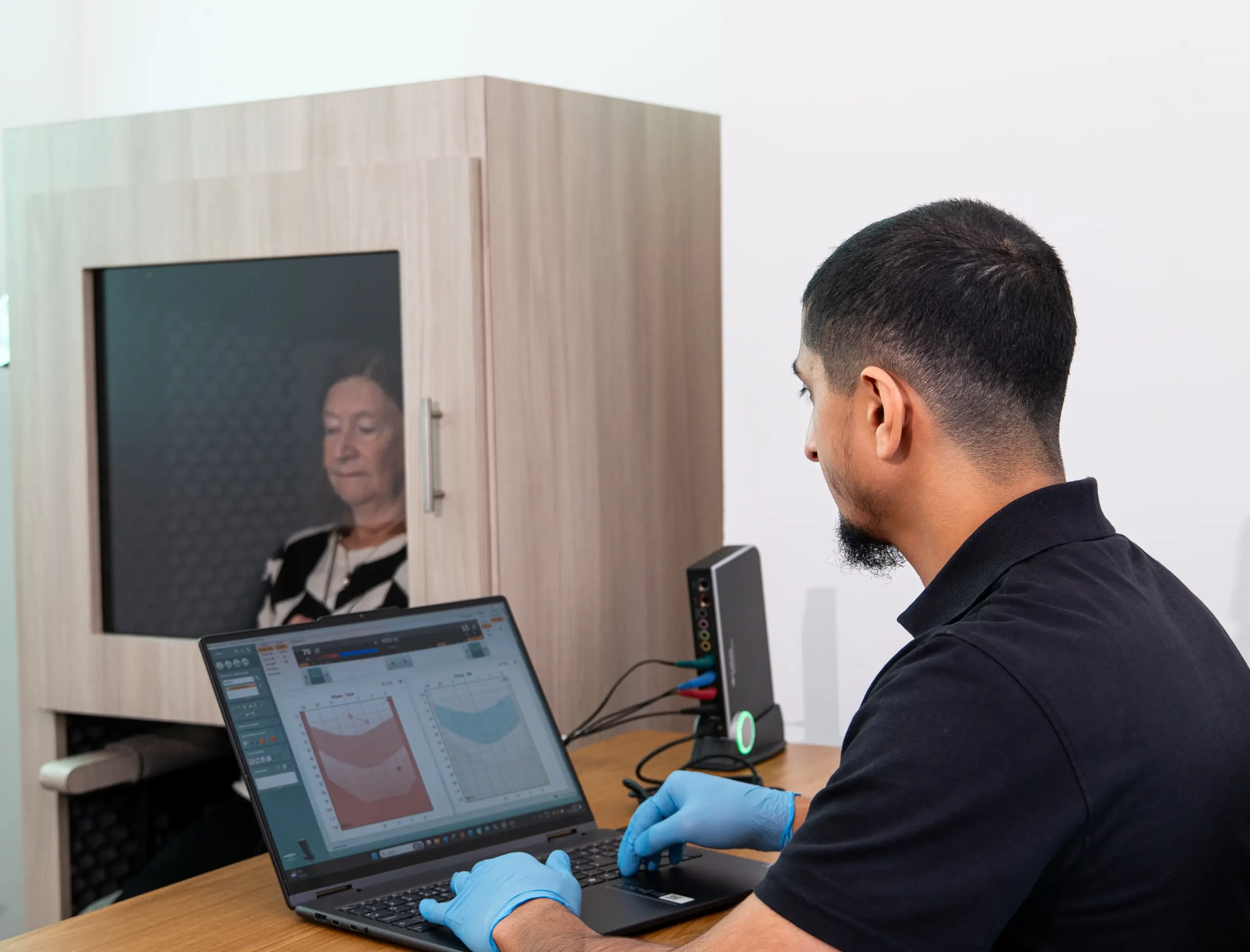
How Often Should Adults Have Their Hearing Checked?
Rechargeable Hearing Aids vs Battery Hearing Aids: Which Is Better?