If you have been turning the TV up louder than you used to or finding yourself asking people to repeat themselves more often, you have probably accepted that your hearing needs attention. The next question and the one that stops most people in Manchester, do you go through the NHS or a private for hearing aids?
The honest answer is that neither is universally better. The NHS offers hearing care at no cost. Private clinics offer faster access, better technology, and a more personalised experience at a price. The right choice depends on your hearing needs, your lifestyle, how urgently you need help, and what matters most to you.
This guide breaks down exactly what each route looks like in Manchester so you can make a clear, informed decision.
Who Can Access NHS Hearing Aids and Who Can Go Private?
NHS Hearing Aids in Manchester
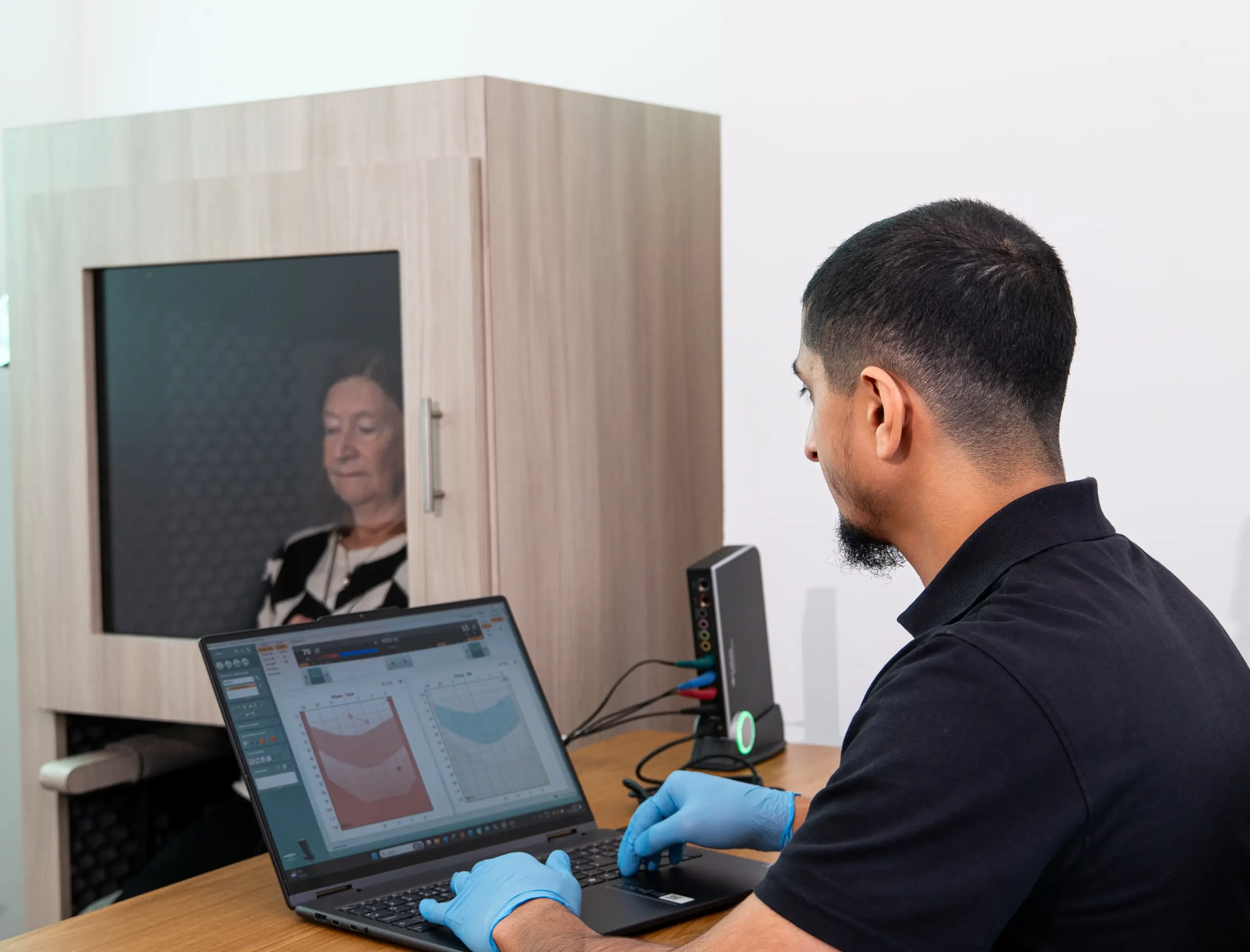
To get hearing aids in Manchester through the NHS hearing aids, they are available free of charge to any UK resident registered with a GP in England who has been assessed diagnosed with hearing loss. To access them, you need a GP referral. Your GP will check for obvious causes of hearing difficulty such as earwax blockage or ear infection and if these are ruled out or treated, they will refer you to an NHS audiology department or an approved hearing service provider in the Manchester area. The audiology team then carries out a full assessment and, if appropriate, fits you with hearing aids.
Private Hearing Aids in Manchester
What Do You Get with NHS Hearing Aids in Manchester?
Cost :
Technology and Style:
The NHS works within a defined set of approved suppliers, which limits the range of available devices. NHS hearing aids are behind-the-ear (BTE) models, reliable and effective, but not the most discreet or advanced feature option available.
Advanced features that are standard on many private devices such as advanced noise reduction, speech clarity, automatic adjustments, AI-powered noise processing rechargeable batteries, Bluetooth connectivity, smartphone app control is not available through the NHS.
Waiting Times:
Aftercare :
NHS aftercare such as follow-up appointments, adjustments, and repairs is included. However, availability depends on the capacity of your local audiology service, and follow-up appointments may involve waiting times like the initial referral process.
Best for: People who need a basic hearing aid, don’t require a discreet hearing aid style and for whom cost is the primary consideration.
What Do Private Hearing Aid Clinics in Manchester Offer?
Cost:
Private hearing aids come at a cost and the range is significant, reflecting the breadth of technology available from basic digital devices through to AI-powered premium models. For a full breakdown of current hearing aid prices at Direct Ear Care, visit our Hearing Aid Prices & Transparent Payment Plans | Direct Ear Care.
Most reputable private providers include the hearing assessment, custom fitting, follow-up appointments, and an aftercare package within the overall price. Always confirm exactly what is included before committing, packages vary between providers.
Hearing aid finance which is Interest-free monthly payments options are available at Direct Ear Care, making it possible to access higher-tier devices without paying the full cost upfront. Finance is subject to eligibility, ask for full details when you enquire.
Technology and Style:
The practical difference this makes in real-life situations is significant. In the environments Manchester patients live in, go to busy restaurants, open-plan offices, family gatherings, and social situations. Advanced noise processing and directional technology can make a meaningful difference to how clearly you follow conversations.
Speed of Access
Personalisation and Aftercare
Private appointments are longer and more detailed than the NHS. Your audiologist takes time to understand your hearing profile, daily environments, lifestyle, and preferences before making any recommendation. Devices are programmed specifically to your hearing loss across different frequencies.
Hearing did aftercare is also faster and more responsive. Adjustments, fine-tuning, and follow-up appointments are typically available within days, not weeks.
Best for: People who want faster access, the latest technology, a wider range of styles, and a more personalised experience and who are willing to invest in better hearing quality.
NHS vs Private Hearing Aids in Manchester: Side by Side Comparison
Factor | NHS Hearing Aids (Manchester) | Private Hearing Aids (Manchester) |
Cost (Upfront) | Free | Range from £1,150 to £3,500+ for a pair |
Ongoing Costs | Free batteries, repairs, and servicing | Often included in packages OR paid separately, depending on the provider |
Ownership | Loaned device (must return, replacement fees possible) | You own the device outright |
Waiting Time (Manchester/UK) | Typically, 6–12 weeks, check with your GP. | 1 week (sometimes within days) |
Access Route | GP referral needed | Direct booking (self-referral) |
Technology Level | Basic hearing aids | Advanced, premium technology (AI, noise reduction, Bluetooth) |
Sound Performance | Effective for general hearing needs | Superior speech clarity, especially in noisy environments |
Styles Available | Behind-The-Ear (BTE), limited option. | Full range: ITE, ITC, CIC, IIC, RIC (including invisible options) |
Discreet / Invisible Options | Not available | Widely available (nearly invisible designs) |
Customisation | Standardised fitting process | Fully customised to hearing profile & lifestyle |
Aftercare & Support | Free but may involve waiting | Ongoing, fast, and personalised support |
Follow-Up Speed | Slower (appointment-based, wait times vary) | Fast adjustments, often the same week |
Lifestyle Adaptability | Basic programs | Adaptive programs for different environments (restaurants, calls, TV) |
Connectivity (Bluetooth, Apps) | Limited or basic | Full smartphone, TV, and app integration |
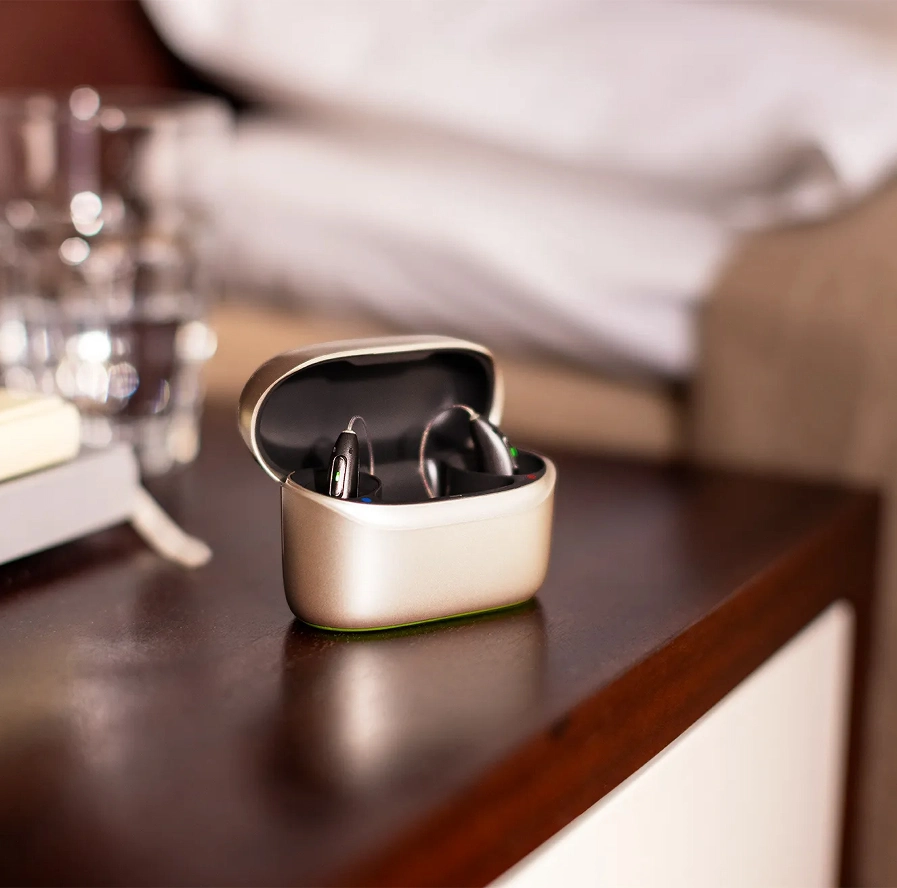
Battery Type | Disposable batteries (changed often) | Rechargeable available |
Durability & Build | Reliable but basic | Premium build quality options available |
Eligibility | Must meet NHS criteria | Available to anyone |
Flexibility of Choice | Limited models | Wide choice of hearing aid brands, tech levels, and designs |
Best For | Budget-conscious users with non-urgent needs | Users wanting fast access, better tech, and personalised care |
Who Should Choose NHS and Who Should Go Private in Manchester?
NHS Hearing Aids Make Most Sense If:
- Cost is your primary concern.
- You are not reliant on advanced features such as Bluetooth, app control, or AI noise processing.
- You are comfortable with the waiting time involved.
- Device visibility or style is not an important consideration for you.
Private Hearing Aids Are Worth Considering If:
- You want access to advanced technology, Bluetooth, AI processing, rechargeable options, near invisible designs.
- Better speech clarity in noisy environments such as restaurants, meetings, social gatherings is a priority.
- Waiting times are affecting your daily life, work, or relationships and you need help sooner.
- You want a fully personalised fitting and fine-tuning process tailored to your specific hearing profile.
- Fast, responsive aftercare without delays is important to you.
- You are not satisfied with the performance of your existing NHS hearing aids.
- You are open to investing in better hearing quality and convenience over the long term.
Why Manchester Patients Choose Direct Ear Care for Private Hearing Aids
For many people in Manchester and the surrounding areas of Greater Manchester, Direct Ear Care has become a trusted choice when exploring private hearing aids. Based at Ashville Surgery, 171 Upper Chorlton Rd, Manchester M16 9RT, the clinic is run by HCPC-registered audiologists who prioritise clinical expertise and honest, no-pressure care over sales targets.
Let’s look at why Direct Ear Care is the best choice for private hearing aids in Manchester:
1. Personalised, Patient-First Approach
2. Fast Access Without Long Waiting Times
3. Access to Advanced Hearing Aid Technology
4. Ongoing Support and Aftercare
Having a hearing aid aftercare support is more than a matter of convenience. It’s about ensuring that your ear health is well-maintained long after the treatment. Direct Ear Care offers consistent, responsive aftercare, including fine-tuning, maintenance, and support as your hearing needs evolve. This can be harder to access quickly through the NHS system.
5. Transparent, Expert-Led Recommendations
6. Trusted Local Expertise in Manchester
Direct Ear Care offers a free hearing assessment with no obligation to buy. Find out exactly where your hearing stands before making any decision about NHS or private provision.
Conclusion
Both NHS and private hearing aids can provide meaningful benefits for your ear health. But it’s important to note that they’re not the same service and suit different people. The NHS is the right starting point if cost is your primary concern, would like a basic hearing aid and the waiting time is manageable.
Private hearing aids are worth the investment if you need faster access, want advanced technology, value a more personalised experience, or are finding that current hearing difficulties are affecting your quality of life in ways that cannot wait.
The good news is that you do not have to make that decision blindly. At Direct Ear Care, you can start with a free hearing test and free hearing aid trial for 14 days before committing to anything.
Book Your Free Hearing Test At Direct Ear Care Manchester
Get a free hearing test session at your local Direct Ear Care Manchester clinic.
CTA: Call 0330 133 0511 | Email: info@directearcare.co.uk
The clinic is open Monday to Saturday at Ashville Surgery, 171 Upper Chorlton Rd, Manchester M16 9RT.
Written and medically reviewed by:

Ibrahim Musa
Audiologist
Frequently Asked Questions
Are NHS hearing aids free in Manchester?
How long does it take to get NHS hearing aids in Manchester?
Can I go directly to a private audiologist without a GP referral?
What is the difference between NHS and private hearing aids?
How much do private hearing aids cost in Manchester?
Private hearing aid prices vary depending on the level of technology and what is included in the aftercare package. For a full breakdown of current hearing aid prices at Direct Ear Care, visit our pricing page. Interest-free monthly payment options are available subject to eligibility.
Are private hearing aids better than NHS ones?
What types of hearing aids are available privately in Manchester?
Does Direct Ear Care offer a free trial period for hearing aids?
Is it worth paying for private hearing aids in Manchester?
Related posts
How Often Should Adults Have Their Hearing Checked?
Rechargeable Hearing Aids vs Battery Hearing Aids: Which Is Better?