This guide explains why earwax build up happens, what symptoms to watch for, and when to see a professional.
What Is Earwax Build-Up?
Earwax helps by:
- Trapping dust and dirt
- Helping stop germs from causing infection
- Keeping the ear canal from getting too dry and itchy
Earwax build-up becomes a problem when too much earwax gets stuck and blocks the ear canal.
What Are the Symptoms of EarWax Build-Up?
Common symptoms include:
- A blocked or feeling of fullness in the ear
- Muffled or reduced hearing
- Earache or discomfort
- Itching in the ear canal
- Ringing in the ear (tinnitus)
- Dizziness
- Severe ear pain
- Discharge, bleeding, or a bad smell coming from the ear
- Fever or you feel very unwell
- Sudden hearing loss
- Numbness on one side of the face
What Causes Earwax Build-Up?
1. Using cotton buds or putting objects in your ear
This is the biggest cause. Cotton buds do not remove earwax. They push the earwax deeper. This can compact the earwax and cause a blockage. The same applies to using hair grips and any small objects.
2. Narrow or bendy ear canals
Some people have ear canals that are narrow or curved. This makes it harder for earwax to move out naturally.
3. Wearing earphones or hearing aids
Frequent or excessive use of earphones, headphones or hearing aids can block the earwax from moving out naturally and push the earwax deeper into the ear canal. This does not mean you should stop them. It just means you may need regular checks if you are prone to wax.
4. Ageing
As we get older, earwax can become drier and harder. This makes it less likely to come out naturally, leading to build up over time.
5. Overproduction of earwax
Some people naturally make more earwax. Working in dusty places can also increase build up.
6. Dry skin or skin conditions
Dry skin, eczema, or psoriasis can make earwax build up more likely.
When Should You Get Earwax Removed?
You should book a professional earwax removal if you have:
- Persistent blocked ears
- Muffled hearing that does not improve
- Ear pain or discomfort
- Ringing in the ear (Tinnitus)
- Dizziness
- Hearing aids getting blocked by earwax
- Cotton buds
- Ear candles
- Hair grips or tools
- Home syringes
How Is Earwax Build-Up Diagnosed?
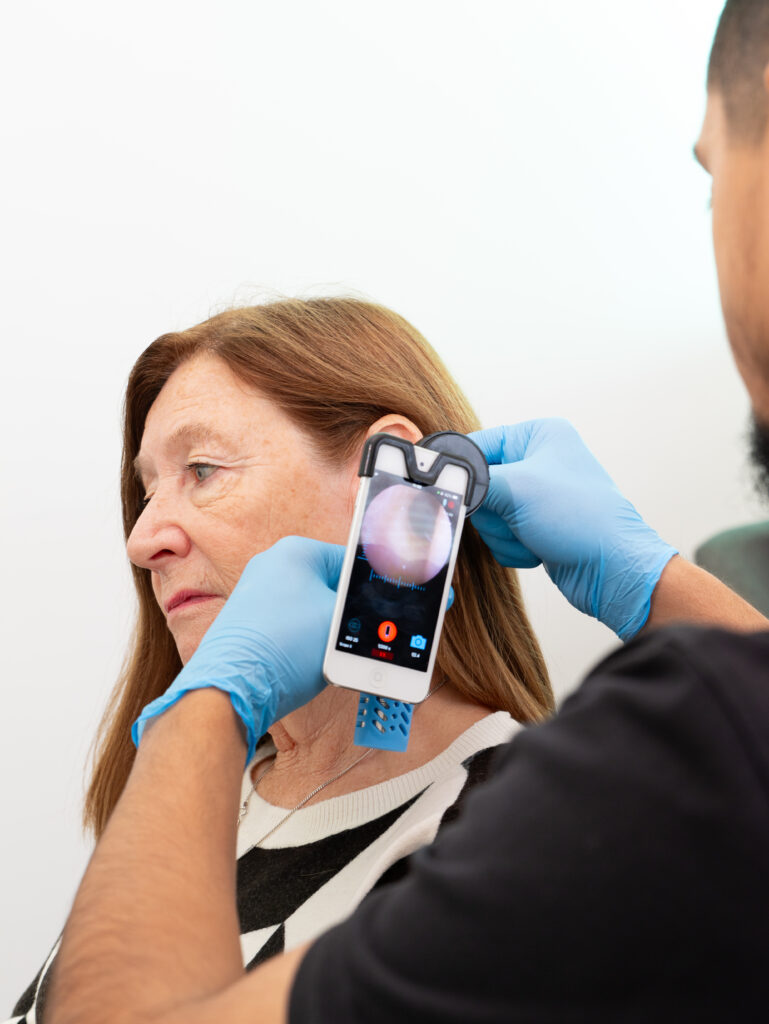
An audiologist will look in your ears using an otoscope. They check for:
- Earwax blockage in the ear canal
- Redness, swelling, or signs of infection
- Anything that suggests another cause of symptoms
How to Remove Earwax Build-Up
1. Microsuction
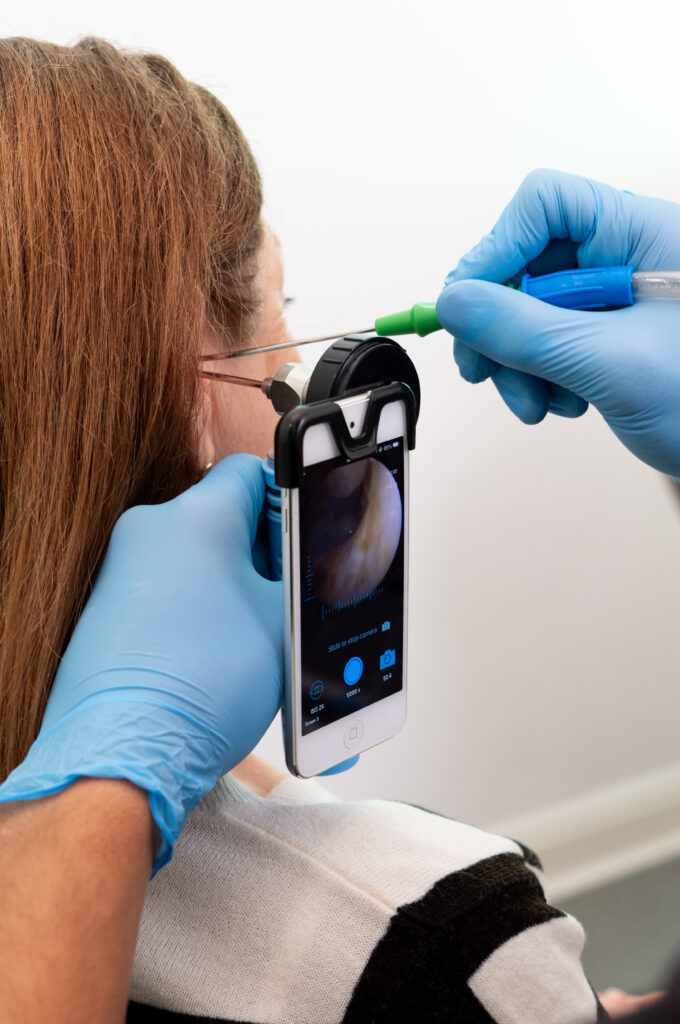
Microsuction is one of the safest and most reliable ways to remove earwax. An audiologist uses gentle suction device while looking into the ear using a microscope or and endoscope. This provides immediate relief from ear blockage.
2. Ear irrigation
Ear irrigation involves gently flushing the ear canal with warm water. It’s ideal for soft or stubborn earwax and provides comfortable, effective relief.
Ear irrigation is often not suitable if you have:
- A perforated eardrum
- Ear infection
- Grommets
- Past ear surgery
3. Manual removal with instruments
This involves using specialised instruments like curettes or forceps to manually remove hardened earwax. This can be useful if the earwax is near the opening of the ear canal. Combined with microsuction, this approach can completely remove earwax.
4. Ear drops
For mild earwax build-up, you can use olive oil drops can soften the earwax, and it may come out naturally. However, it is important to note that eardrops don’t always remove earwax completely and can block your ears even more. If the buildup is excessive, you should consult a professional.
Important safety note: do not use ear drops unless you are sure you do not have:
- Ear pain that is getting worse
- Discharge from the ear
- A perforated eardrum
- Grommets
- Recent ear surgery
How to Prevent Earwax Build-Up?
Simple prevention tips:
- Do not put cotton buds or objects inside your ear
- Clean only the outside of the ear with a cloth or a cotton bud
- Keep ears dry after bathing or swimming
- Using ear drops once a week if you're prone to repeated blockages
- Book regular check-ups
Conclusion
If symptoms such as blocked ears, irritation, or muffled hearing appear, professional ear removal is the safest and most effective option.
At DirectEarCare, our experienced audiologist uses the safest, most effective methods to diagnose and remove earwax. You can book online or call 0330 133 0511 to choose a time that suits you.
Frequently Asked Questions
How do I know if I have earwax build up?
How do I remove earwax build-up?
Is it good to remove all earwax?
What causes excess earwax build-up?
What happens if earwax is left untreated?
Related posts
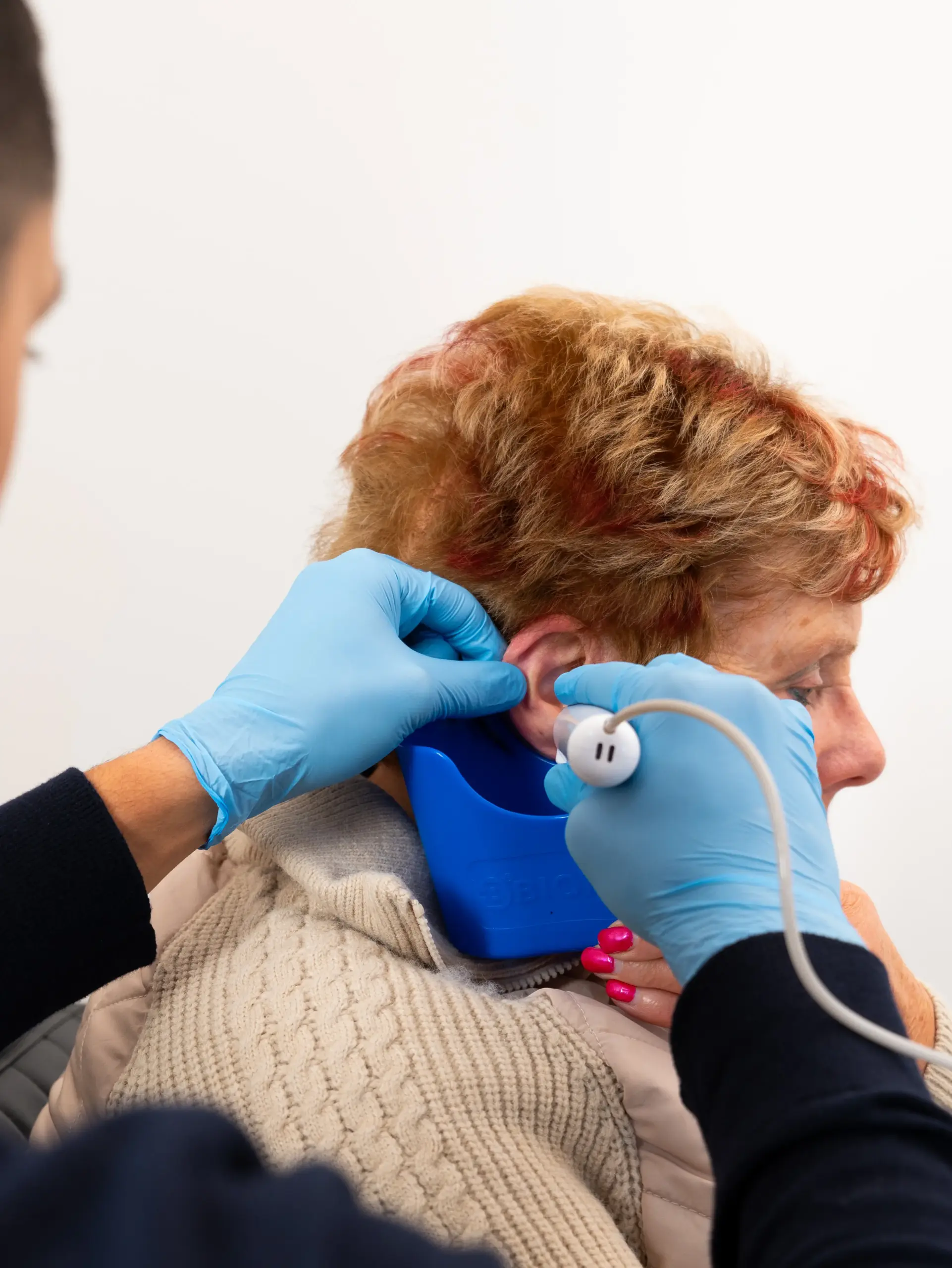
Is Ear Irrigation Safe? Risks, Benefits and Alternatives
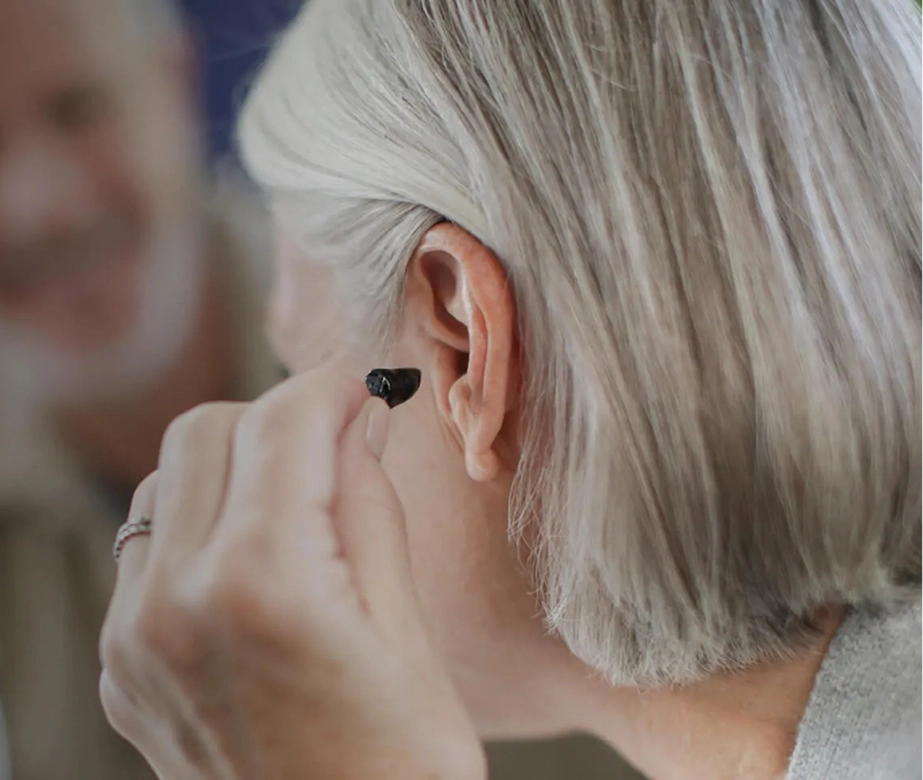
Can Earwax Cause Hearing Loss? Facts You Should Know