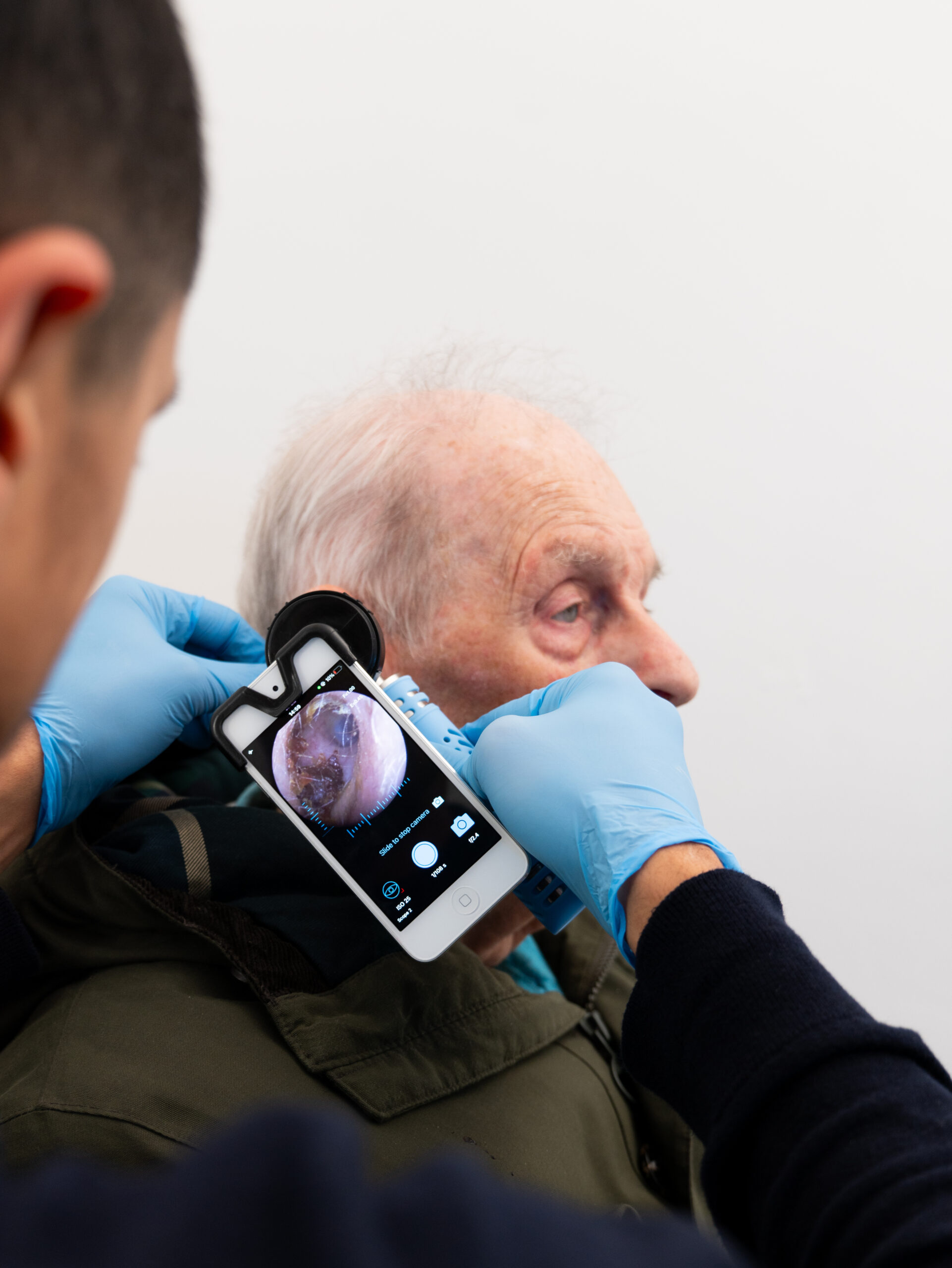
Earwax is normal. It protects your ear from dust and germs. But sometimes earwax builds up and blocks the ear canal. This can cause a blocked feeling, muffled hearing, ringing, or discomfort.
Most earwax comes out on its own naturally. But for some people, it builds up faster than the ear can clear it. If symptoms do not improve, you may need a professional ear check and safe earwax removal.What Is Earwax and Why Does It Build Up?
Earwax (cerumen) is produced by glands in your ear canal to trap dust, bacteria, and debris before they reach the eardrum. It also keeps the ear canal moisturised and has natural antimicrobial properties that help prevent infection.
Earwax build up is more likely if you:- Naturally make more earwax
- Have narrow or curved ear canals
- Wear hearing aids or earbuds often
- Are older, because earwax can become drier and harder
- Use cotton buds or put objects in your ear
7 Signs You Need Professional Earwax Removal
1. Muffled or Reduced Hearing
This is one of the most common signs. Earwax can block the ear canal and stop sound reaching the eardrum. Hearing often feels dull or quiet on one side.
2. A blocked feeling or fullness in the ear
Feeling of fullness or pressure in the ears. Many people describe it like having water stuck in the ear
3. Earache or Discomfort
Earwax can press on the ear canal skin and cause soreness. This can feel worse when chewing or touching the outer ear.
4. Ringing or buzzing sounds (Tinnitus)
A blocked ear can trigger temporary ringing, buzzing, or humming sensation in the ear. This often improves once the blockage is removed.
5. Dizziness or feeling off balance
Your ears help with balance. A blocked ear can sometimes cause dizziness.
6. Itching or irritation in the ear canal
Earwax can make the ear canal feel itchy or irritated. Scratching or over cleaning can make symptoms worse.
7. Problems with hearing aids
If you wear hearing aids and have noticed a drop in sound quality, discomfort when wearing the device, or feedback that wasn't there before, earwax build-up is a common culprit. Earwax can accumulate around the receiver and reduce its effectiveness. Regular ear checks are especially important for hearing aid users.
When Symptoms Should Not Be Ignored
- Sudden hearing loss
- Severe ear pain
- Discharge, bleeding, or a bad smell from the ear
- Fever or you feel very unwell
- Strong spinning dizziness (vertigo)
- New facial weakness or drooping
Why Trying to Clean Your Ear Can Make It Worse
When ears feel blocked or uncomfortable, the instinct is to try to clean them. Most people reach for cotton buds, but this is one of the most common ways earwax problems are made significantly worse.
Cotton buds do not remove earwax. They push it deeper into the ear canal, where it becomes compacted and much harder to remove naturally. Over time, this can turn a mild build-up into a stubborn blockage that requires professional treatment.
Avoid:- Cotton buds
- Hair grips or tools
- Ear candles
- Home syringes
- Push earwax deeper
- Irritate the ear canal
- Increase the risk of infection
- Cause damage to the eardrum
Professional Earwax Removal Methods
There is no single approach that suits every person.
A trained professional will assess your ears before recommending the most appropriate method. The three most common professional techniques are:Microsuction
Ear Irrigation
Manual removal with instruments
Why You Need a Professional Ear Examination First
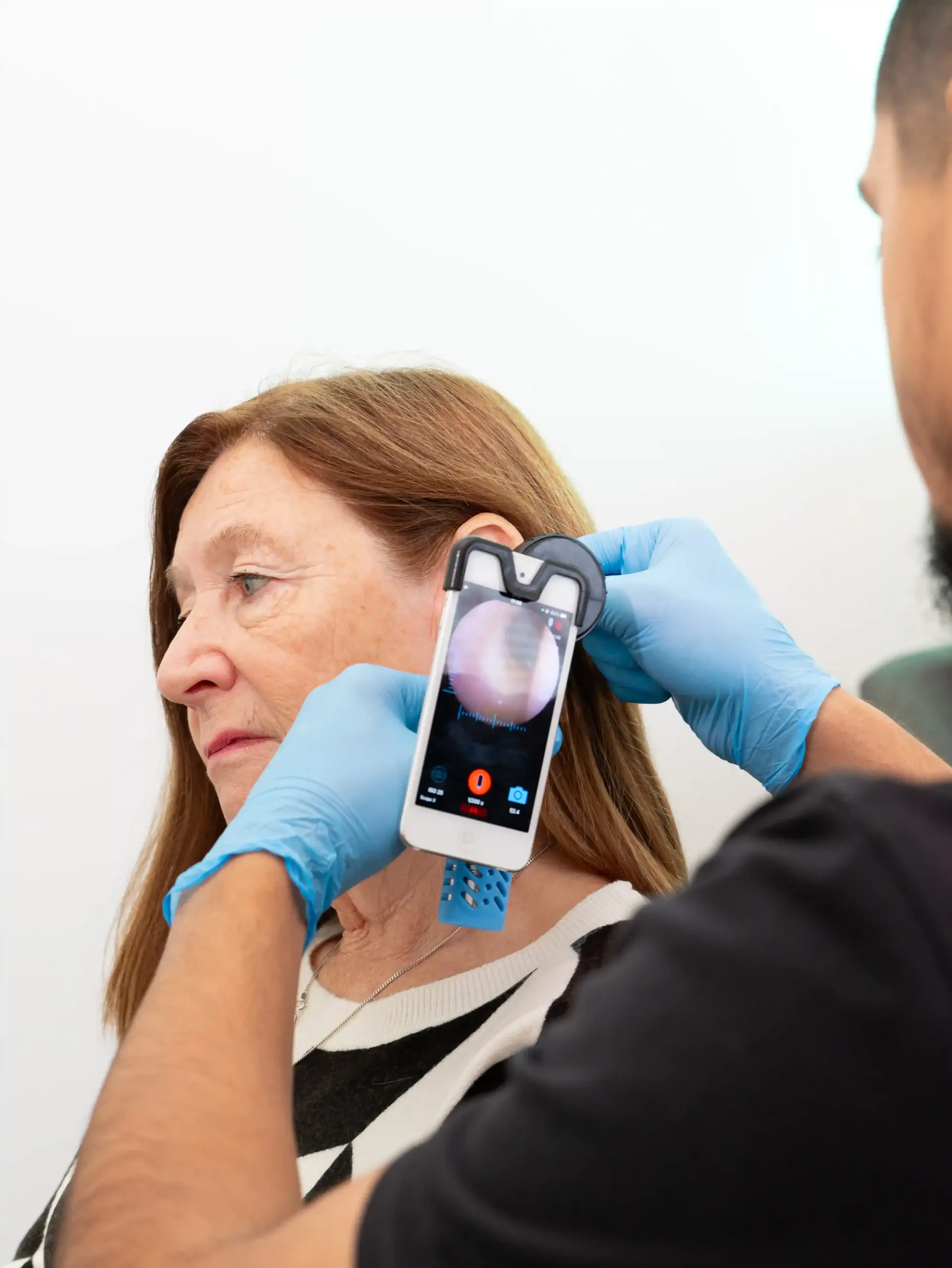
Before any earwax removal treatment, a thorough professional ear examination is essential.
A proper examination helps:- Identity whether earwax is the cause
- Check the condition of the eardrum and ear canal
- Detect signs of infection or inflammation
- Determine which earwax removal method is the safest for your specific situation
When Should You Book a Professional Appointment?
If you are experiencing any of the seven signs listed above and they have not resolved on their own within a week, it is worth booking a professional ear check. Do not wait for symptoms to become severe.
Book an appointment if you have:
- A blocked ear that does not improve
- Muffled hearing affecting daily conversations
- Ongoing itching or discomfort
- A hearing aid that is not performing as it should
- Symptoms that keep coming back
Direct Ear Care’s Patient First Approach
At Direct Ear Care, we do not remove earwax without checking your ears first. Your safety comes first.
When you visit Direct Ear Care, you can expect:- A thorough ear examination before treatment
- All procedures carried out by HCPC-registered audiologists
- Safe removal with microsuction or ear irrigation when suitable
- Clear, straightforward advice so you understand your options before any decision is made
- Flexible appointments, including home visits for those who need them
Conclusion
Earwax is a normal and healthy part of how your ears work. But when it builds up too much, it can cause real discomfort, affect your hearing, and get worse if left untreated or handled incorrectly.
If you recognise any of the seven signs in this guide particularly muffled hearing, a persistent blocked feeling, earache, or tinnitus do not reach for a cotton bud. Book a professional ear check instead. It is faster, safer, and far more effective.
At Direct Ear Care, our HCPC-registered audiologists will examine your ears, identify the cause, and use the safest method to restore your hearing and comfort.Written and medically reviewed by:

Ibrahim Musa
Audiologist
Frequently Asked Questions
Can earwax clear on its own?
Does professional earwax removal hurt?
How often do I need professional earwax removal?
Is microsuction safer than ear irrigation?
Is it possible to treat blocked ears with home remedies?
What if my symptoms are not caused by earwax?
Related posts
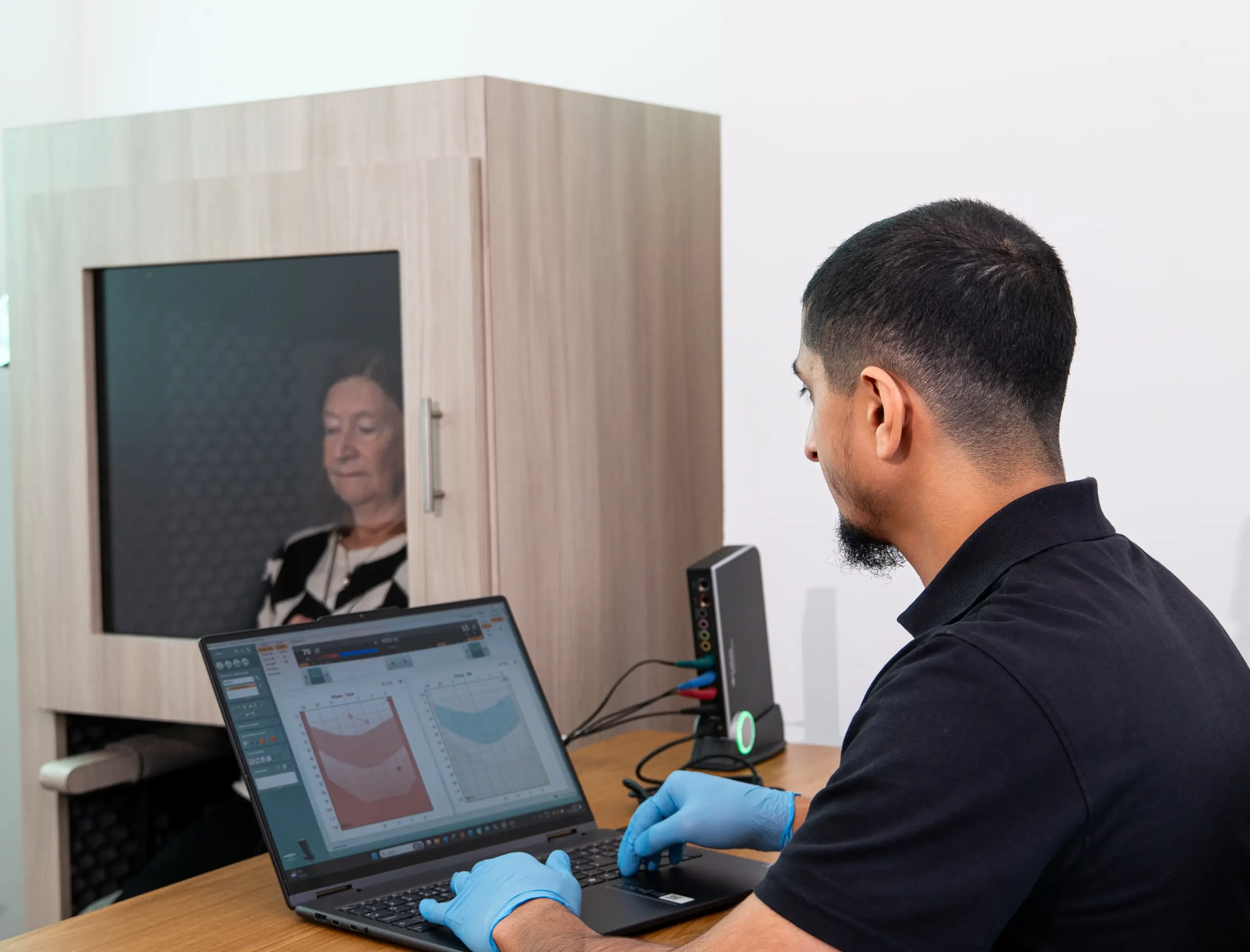
How Often Should Adults Have Their Hearing Checked?
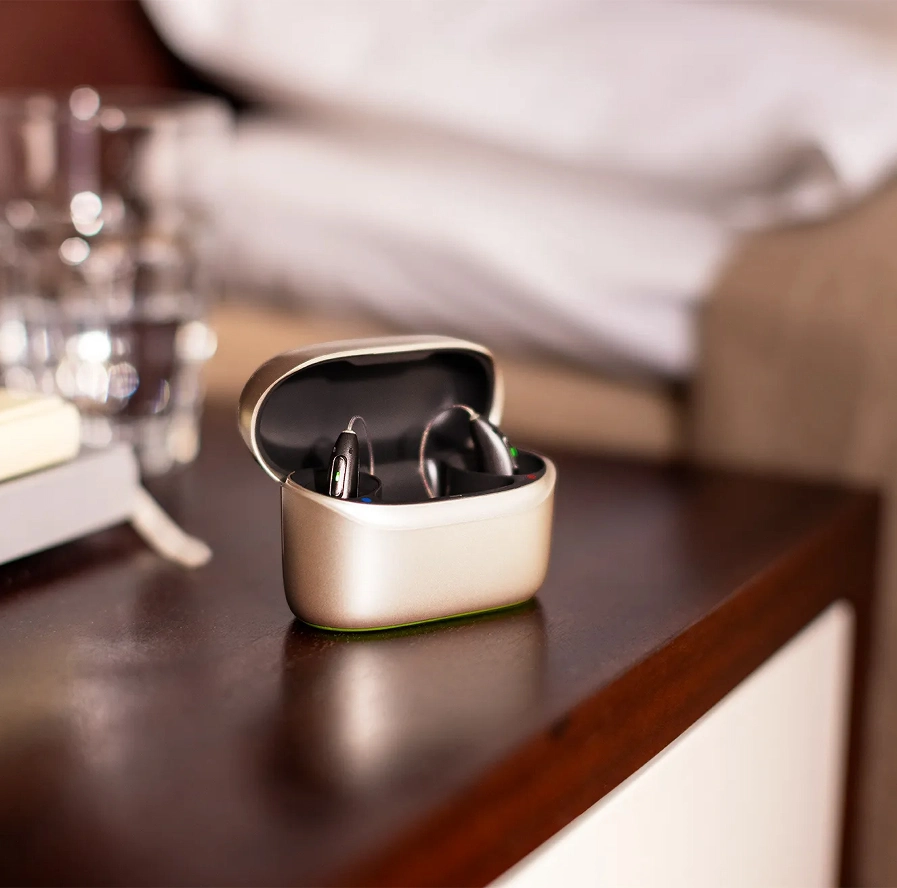
Rechargeable Hearing Aids vs Battery Hearing Aids: Which Is Better?