
Yes. Untreated hearing loss is linked to an increased risk of cognitive decline, memory loss, and dementia, particularly in older adults. While those with normal hearing can follow conversations with little conscious effort, the brain of someone with hearing loss must work considerably harder to process degraded speech. Over time, this extra cognitive load can leave less capacity available for memory formation, make social situations frustrating, and produce measurable changes in the brain.
The World Health Organisation (WHO) estimates that over 1.5 billion people worldwide currently live with some degree of hearing loss. In the UK, RNID estimates that number at around 18 million people.
A review from PubMed found that individuals with hearing loss were 35% more likely to develop dementia than those without. The same study also revealed higher chances of mild cognitive impairment and cognitive decline.
This does not mean that hearing loss will inevitably lead to memory loss or dementia. But the accumulating evidence shows that hearing health is a part of general brain health, particularly in the case of chronic or untreated hearing loss. In this guide, we will explore how untreated hearing loss can affect brain health and how proper testing can prevent dementia risk.
How Hearing Loss Puts Extra Pressure on Memory and Cognition
1. Difficulty understanding information
2. Heightened listening efforts
3. Reduced participation in conversations
4. Difficulty concentrating
5. Faster Decline in Verbal Memory
If someone is showing increasing signs of forgetfulness alongside growing hearing difficulties, a professional hearing assessment should be one of the first steps for overall cognitive wellbeing.
Is Untreated Hearing Loss a Risk Factor for Dementia?
Yes, untreated hearing loss can be a risk factor for dementia, but it is important to note that hearing loss does not directly cause dementia.
Research from PubMed shows: the more severe the hearing loss, the greater the risk of developing dementia.
The 2024 Lancet Commission on Dementia Prevention, Intervention and Care formally recognises hearing loss as one of 14 potentially modifiable risk factors for dementia across the life course. People with untreated hearing loss face a 37% increased risk of developing the condition, which is why hearing loss should not be shrugged off as an inevitable part of getting older.
Warning Signs That Hearing Loss May Be Affecting Your Daily Life
1. You frequently ask people to repeat themselves
2. You regularly increase the television or phone volume
3. You have trouble understanding speech in noisy environments
4. You often misunderstand what people say
5. You avoid social situations because you struggle to follow conversations
6. You notice hearing changes alongside memory problems
Experiencing one or more of these signs does not automatically mean cognitive decline is occurring. In many cases, they can be fully explained by untreated hearing loss, and none of them should be dismissed as a normal or inevitable consequence of growing older.
Does Treating Hearing Loss Help Protect Memory?
Treating hearing loss early may support memory and healthy ageing, though it isn’t a guaranteed way to prevent dementia.
Evidence comes from the NIH-funded ACHIEVE trial, published in The Lancet (2023),
- No effect across the whole group: treatment alone isn’t a universal protection against dementia
- Nearly 50% slower decline in high-risk individuals: those with higher baseline risk saw a 48% reduction in cognitive decline versus the control group
- Not a cure for dementia: the benefit was specific to those already at elevated risk
- Real day-to-day benefits regardless: easier conversations, more social engagement, less listening fatigue
- Earlier action means more options: the sooner hearing loss is treated, the more there is to protect
Should You Get a Hearing Test If You're Experiencing Memory Problems?
Yes. A hearing test may help if you’re experiencing memory problems alongside signs of hearing loss. Difficulty hearing can sometimes make a person appear distracted, confused, or forgetful when they’ve actually just missed parts of a conversation.
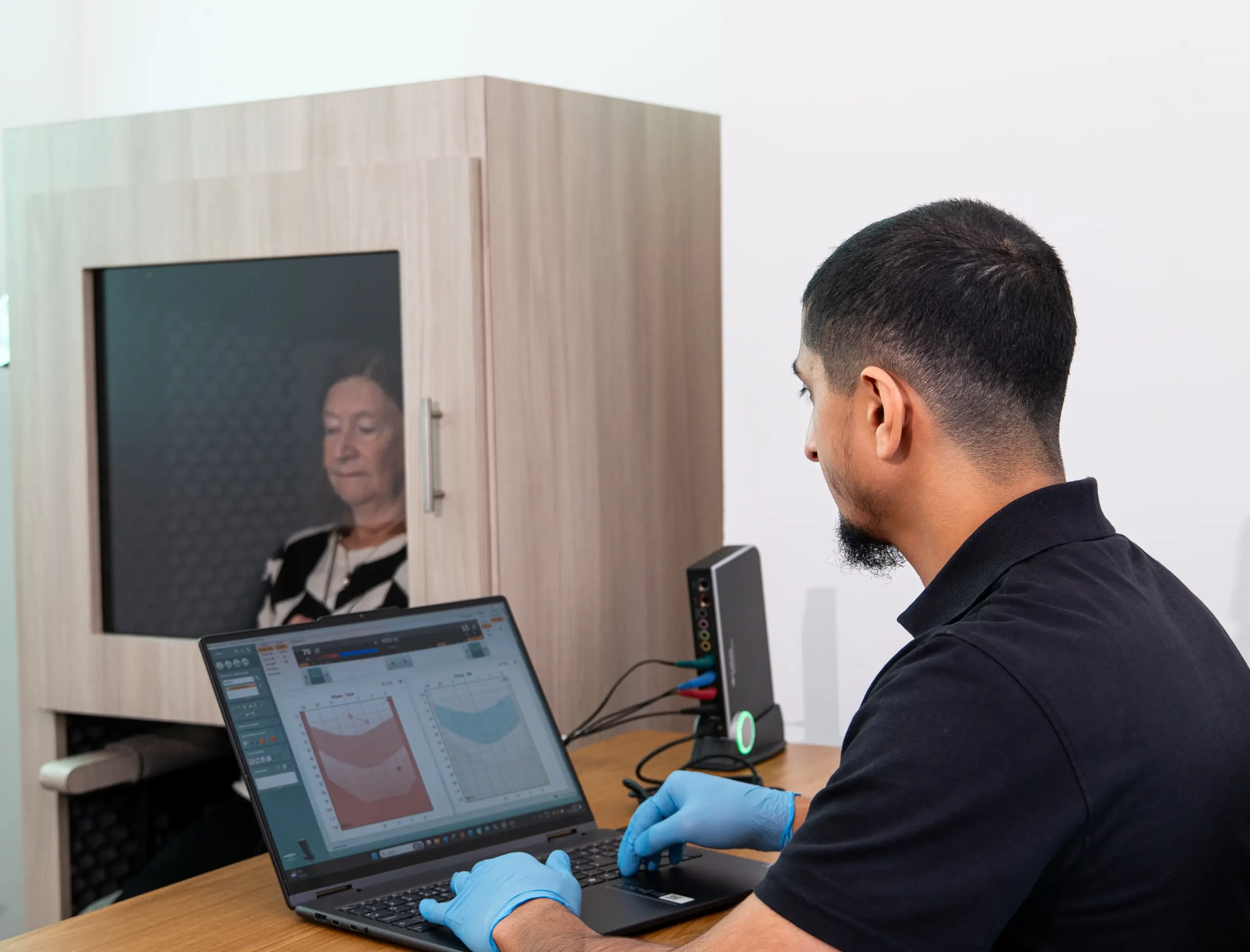
A hearing assessment can help decide whether hearing loss is contributing to communication difficulties, and whether the underlying cause might be earwax, an ear condition, or permanent hearing loss.
If hearing difficulties are treated but memory problems continue, become more noticeable, or worsen over time, further medical evaluation may be appropriate.
Learn more about when to get a hearing test in this blog: “Do You Need Ear Wax Removal or a Hearing Test? How To Tell the Difference?”
Can Earwax Build-Up Cause Problems That Look Like Hearing Loss?
- Muffled or reduced hearing
- A feeling of fullness in the ear
- Tinnitus (ringing or buzzing)
- Ear discomfort
- Difficulty understanding speech clearly
This matters because not all hearing issues stem from permanent hearing loss. Earwax blockage is one potentially treatable cause of reduced hearing. A professional ear examination can identify whether earwax is the cause or a hearing assessment is needed.
To learn more about how earwax build-up can cause hearing loss, read this blog: “Can Earwax Cause Hearing Loss? Facts You Should Know”.
How Direct Ear Care Can Help Protect Your Hearing Health?
1. You Find Out Exactly What's Causing Your Symptoms
A professional hearing test with one of our HCPC-registered audiologists identifies whether your difficulties stem from hearing loss, earwax build-up, or another ear-related cause. Rather than guessing, you leave with clear answers and a plan.
2. You Could Hear Clearly Again in a Single Visit
3. You Stay Connected to the People and Conversations That Matter
4. You Receive Expert Care Without Leaving Home
If visiting a clinic is difficult, our audiologists come to you. Mobile ear wax removal are available are available across Manchester, Bamber Bridge, and surrounding areas in Lancashire and Greater Manchester, covering hearing tests, earwax removal, and hearing aid fitting in the comfort of your own home.
5. Your Treatment Is Matched to Your Actual Problem
Conclusion
That’s why early hearing assessment matters. The sooner hearing difficulties are identified, the sooner the right support can be put in place to help protect your long-term brain health.
Concerned that your hearing may be affecting your memory or daily life?
Frequently Asked Questions
Can untreated hearing loss cause memory problems?
How is hearing loss linked to dementia?
Do hearing aids help slow cognitive decline?
Can earwax cause problems that look like memory loss or confusion?
What are the signs that hearing loss may be affecting my brain health?
Written and medically reviewed by:

Ibrahim Musa
Audiologist
Related posts
How Often Should Adults Have Their Hearing Checked?
Rechargeable Hearing Aids vs Battery Hearing Aids: Which Is Better?