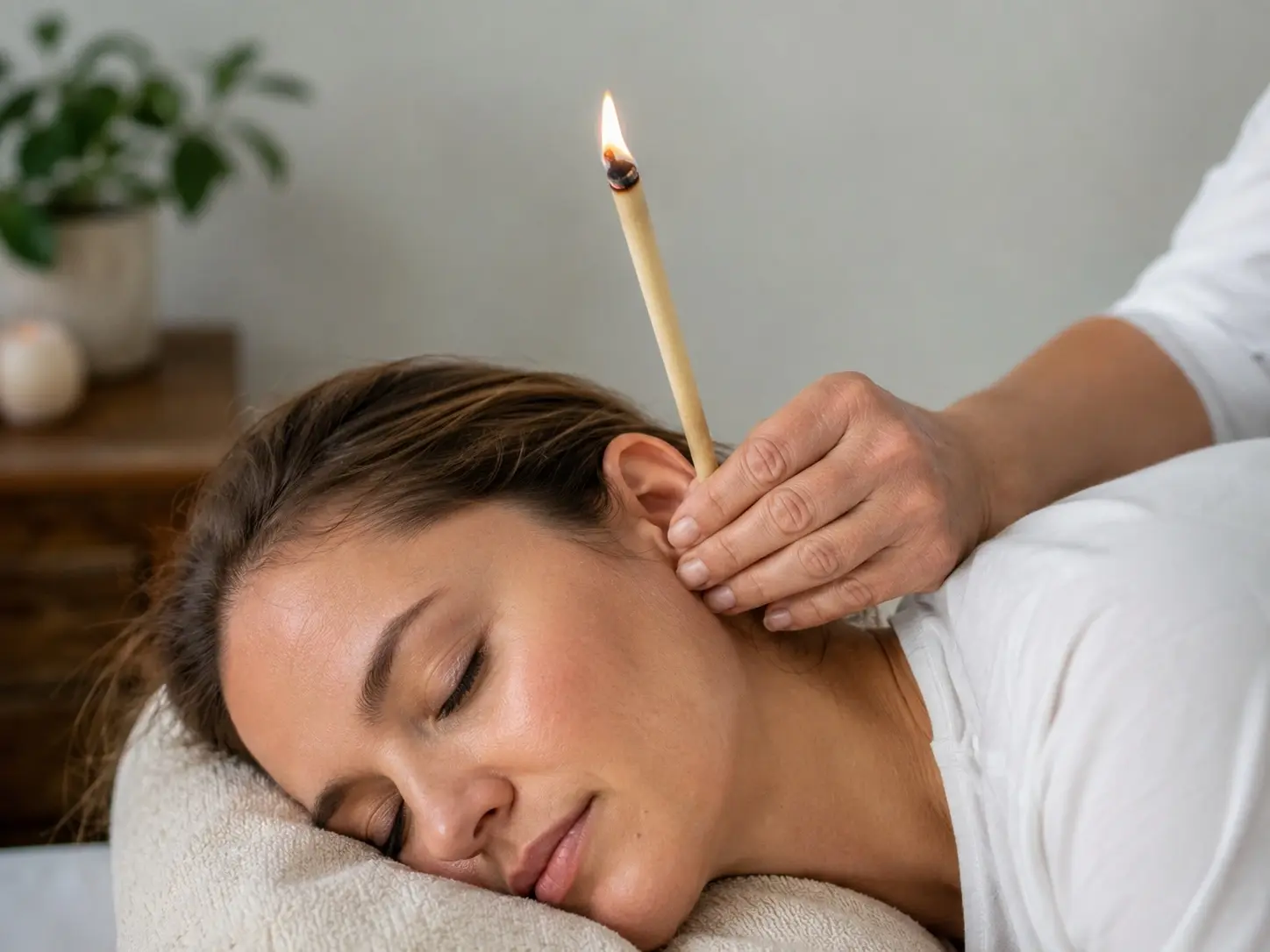
Ear candles do not work as an effective method for removing earwax or cleaning the ears. Despite their popularity, there is no reliable scientific evidence that ear candling creates enough suction to draw wax out of the ear canal. In many cases, the residue found inside the candle after use comes from the candle itself rather than the ear.
Ear candles have been promoted for years as a natural way to remove earwax, which is meant to improve hearing, and even relieve sinus pressure. Although popular, medical experts are still doubting their effectiveness and safety.
In recent years, research from Cleveland Clinic have revealed that ear candling does not create sufficient suction to remove the earwax and can actually cause burns, ear canal injuries, and earwax impaction. Major health care providers or hearing specialists do not recommend ear candling.
So, are ear candles effective? In this article, we will explore the nature of ear candling, its popularity, scientific research on the subject, the potential dangers of ear candling, and safer alternative methods to maintain ear health.
What Are Ear Candles and How Do They Work?
Ear candling or ear coning is an alternative medical procedure in which a hollow cone-shaped candle is inserted into the outside of the ear, and a flame is ignited at the opposite end. Supporters claim that the heat creates a vacuum effect that draws earwax, debris, and toxins out of the ear canal.
The process is often marketed as a natural solution for:
- Ear wax removal
- Improved hearing
- Sinus relief
- Ear pressure reduction
- General ear cleansing
- Regular use of hearing aids or earbuds that may trap moisture
Although these claims may sound convincing, they are not supported by scientific evidence. Research by ENT Health has shown that ear candles do not create enough suction to remove earwax from the ear canal, and medical experts do not consider them an effective method for earwax removal.
What Does the Scientific Evidence Say?
The short answer is no; ear candles do not effectively remove ear wax.
Ear candling has been proven to be ineffective in generating the suction necessary to remove wax from the ear. In many cases, the material found inside a used ear candle comes from the candle itself rather than the ear. A UK ear care clinic Ear View said that ear candling does not produce the vacuum effect it claims, while also highlighting that the MHRA has not approved ear candles as medical devices.
The healthcare industry, or ear specialists, have repeatedly said that there is no scientific proof that ear candling is beneficial for:
- Earwax removal
- Hearing improvement
- Treatment of ear infections
- Relief from tinnitus
- Sinus symptom management
Controlled studies by Earwax Clinic Network, UK have found no measurable negative pressure (suction) from ear candles. The residue inside the candle is candle wax, not earwax. Experts actually advise that using ear candles can actually postpone the ideal prognosis and treatment of underlying ear conditions.
What Are the Risks of Using Ear Candles?
1. Burns and Skin Injuries
2. Ear Canal Blockages
3. Eardrum Damage
4. Delayed Medical Care
What Are the Safer Alternatives for Ear wax Removal?
1. Microsuction
Microsuction is one of the safest and most accurate methods for removing excess earwax. A trained person is using a small medical suction device to gently remove the wax, while holding a special microscope or magnifying device to the ear. This visibility enables the wax to be removed in an accurate manner without damaging the delicate structure of the ear.
Because no water is involved, microsuction is often recommended for people with a history of ear infections, a perforated eardrum, or other conditions where irrigation is not suitable. It is quick, clean, and typically causes little to no discomfort, with immediate relief from blocked ears, reduced hearing, or fullness.
2. Ear Irrigation
Ear irrigation uses a controlled flow of warm water to soften and flush out earwax, which collects in a container as it flows back out. The audiologist assesses your ears beforehand to confirm it is suitable. It is generally quick and comfortable, and many patients notice immediate improvement. When performed by a qualified professional after a proper ear examination, ear irrigation is a reliable and safe way to remove excess earwax.
3. Ear Wax Softening Drops
Why Is Professional Ear Wax Removal the Safer Choice?
Professional ear wax removal is the safest and most effective way to treat excessive earwax because it begins with a thorough examination of the ear. A trained health care provider can tell if your symptoms are due to earwax or if they are a result of a different ear problem that needs attention. Based on the examination, they will choose the most appropriate removal method, such as microsuction, ear irrigation, or manual removal.
The benefits of professional ear wax removal include:
- Specialist equipment and techniques that reduce the risk of damaging the ear canal or eardrum
- Effective removal of impacted or stubborn wax that home remedies cannot shift
- An examination that identifies the true cause of your symptoms, so you get the right treatment
- Immediate relief, with improved hearing and less discomfort for most patients
- Lower risk of complications such as infection or eardrum damage
- Treatment tailored to your ear health, medical history, and the condition of the wax
If you have persistent symptoms, or are simply unsure whether earwax is the cause, a professional assessment is the best first step.
How Does Direct Ear Care Provide Safe, Effective Ear Wax Removal
At Direct Ear Care, every treatment is built around a full examination of the ear and tailored to the individual:
- Personalised treatment — microsuction or ear irrigation is chosen based on your individual ear health, not a one-size-fits-all approach
- Comprehensive ear health assessments to identify earwax build-up and any other conditions that may need attention
- Convenient clinic and home visit appointments to suit your needs
- Comfort and safety as the priority, using gentle techniques and modern equipment
Every treatment is carried out by HCPC-registered audiologists using clinical-grade equipment and is personalised for each patient based on a full ear examination.
Conclusion
Although there are many stories about ear candles clearing earwax, there isn’t any scientific evidence that it works to remove ear wax. In fact, ear candles can be dangerous. From burns and ear injuries to worsening blockages, ear candling can do more harm than good.
If you’re suffering from blocked ears, hearing problems, or earache, the best thing to do is to get a professional hearing assessment and avoid using dangerous DIY methods like ear candles. Choosing professional ear care can help protect your hearing, maintain healthy ears, and offer peace of mind.
If you are dealing with blocked ears, hearing problems, or earache, the safest step is a professional ear assessment and avoid using dangerous DIY methods. Choosing professional care protects your hearing, keeps your ears healthy, and gives you peace of mind.
Don’t Take a Chance on Your Ears with Unproven Treatments. Visit Direct Ear Care Today
Book Your Free Hearing Test At Direct Ear Care Manchester
CTA: Call 0330 133 0511 | Book an Appointment Online
Written and medically reviewed by:

Ibrahim Musa
Audiologist
Frequently Asked Questions
Do ear candles remove ear wax?
Why do people believe ear candles work?
Are ear candles safe to use?
What is the safest way to remove earwax?
When should I see a professional for earwax removal?
Related posts
How Often Should Adults Have Their Hearing Checked?
Rechargeable Hearing Aids vs Battery Hearing Aids: Which Is Better?