Microsuction is regarded as one of the safest and most effective methods of earwax removal available. It is quick, precise, and does not use water which makes it suitable for a wider range of patients than ear irrigation.
This guide covers everything you need to know before your microsuction appointment at Direct Ear Care in Manchester including how the procedure works, what to do beforehand, what to expect on the day, and who should and should not have it.
What Is Ear Wax Microsuction?
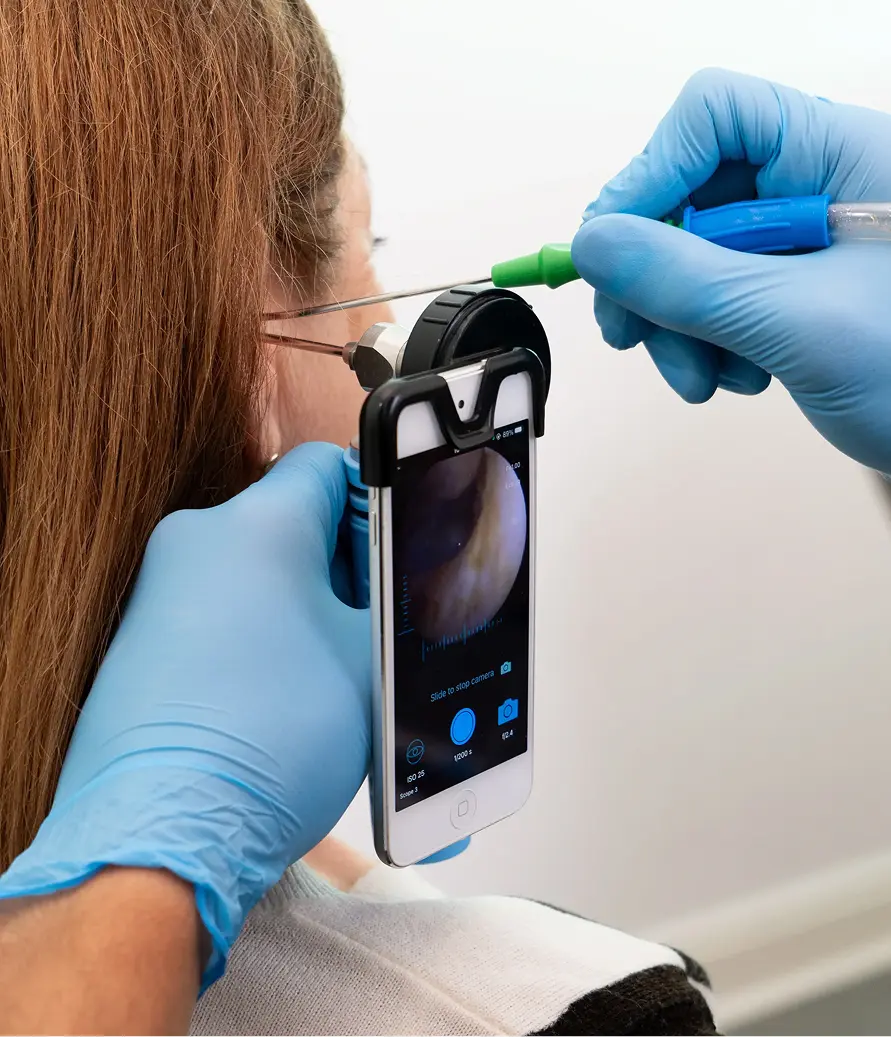
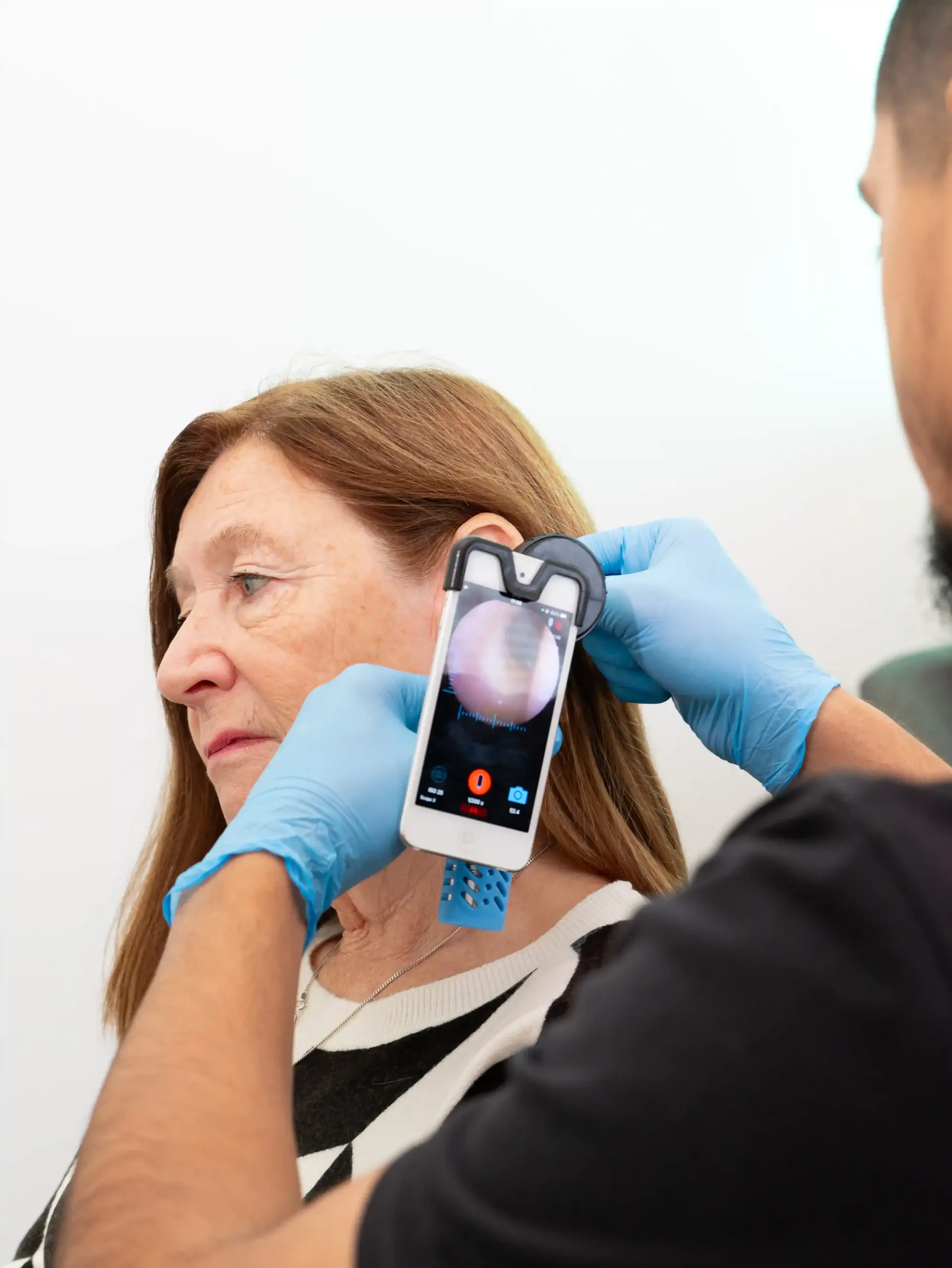
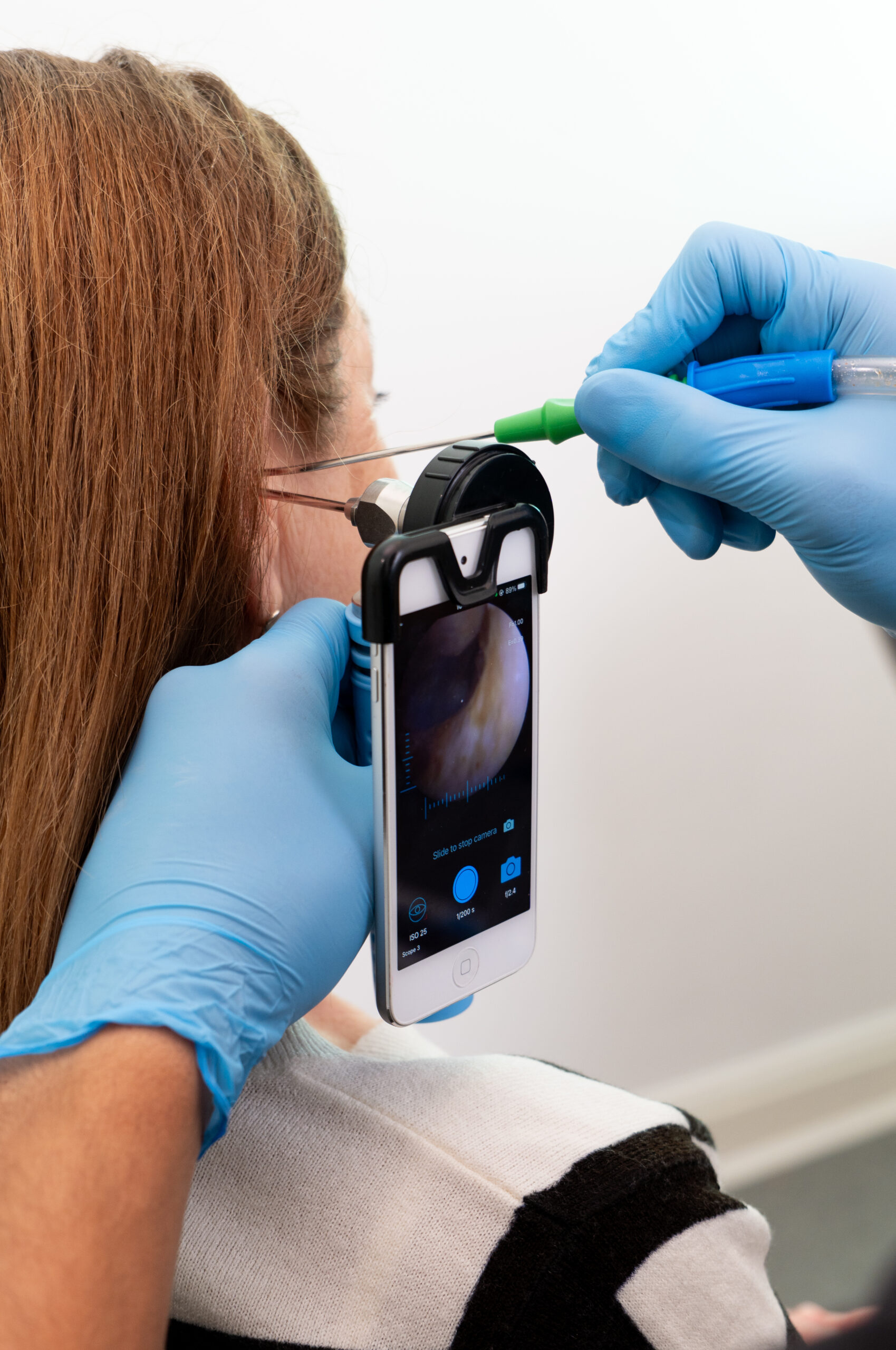
Microsuction is a professional earwax removal technique in which a trained audiologist uses a small, gentle suction device to remove wax from the ear canal. Unlike ear irrigation, it does not flush water into the ear. The ear wax is removed directly using suction, while the audiologist views the ear canal in real time through a microscope or endoscope.
The audiologist can see exactly what they are doing throughout the procedure, which means the ear wax can be removed precisely.
The procedure is conducted with you seated comfortably. A small suction probe is gently positioned near the ear wax. You will hear a soft suction sound during the process; this is completely normal and nothing to be concerned about. Most procedures are completed within 15 to 30 minutes.
When Is Microsuction Recommended?
Not all earwax needs professional removal. In most people, the ear clears itself naturally over time. But microsuction becomes necessary when:
- Earwax has built up significantly and is causing symptoms such as muffled hearing, a blocked feeling, earache, or tinnitus.
- The wax is hard or impacted and unlikely to clear on its own.
- Ear drops have not been sufficient to shift the build-up.
- Ear irrigation is not suitable for example, if you have a perforated eardrum, a history of ear surgery, or a current ear infection.
Microsuction is also the preferred method for patients who wear hearing aids, as wax tends to accumulate more quickly around the receiver and can affect device performance.
If you are unsure whether you need microsuction, the first step is always an ear examination. Your audiologist will assess your ears and recommend the most appropriate treatment or confirm whether you need ear wax removal.
Learn what causes ear wax build-up and when is the best time for ear wax removal procedures in our blog: “What Causes Earwax Build-Up and When Should You Get It Removed?”
Is Ear Wax Microsuction Safe?
Its safety comes from two key features. First, the audiologist has a clear, magnified view of the ear canal throughout the entire procedure. Second, no water is introduced into the ear, which removes the risk of moisture-related complications such as outer ear infection.
As with any clinical procedure, there are some minor risks to be aware of:
- Temporary dizziness or light-headedness, this is brief and typically resolves within minutes.
- Mild sensitivity in the ear canal during or immediately after the procedure
How Microsuction Compares to Other Earwax Removal Methods
There are several professional earwax removal methods available. The right one depends on your ear health, the type of wax, and your medical history. Here is how the main methods differ:
Microsuction
1. How it works: Gentle suction removes wax under direct magnified vision
Uses water: No
2. Best for: Most patients, including those with sensitive ears, perforated eardrums, or a history of ear surgery.
Procedure time: 15 to 30 minutes
Ear Irrigation
1. How it works: Controlled warm water flushes softened wax out of the ear canal
Uses water: Yes.
2. Best for: Soft or moderate wax in healthy ears with no history of ear surgery or perforation
NOT suitable for: Perforated eardrum, history of ear surgery, active ear infection, or middle ear conditions
Ear Drops
- How it works: Softens wax over several days so it may loosen and exit naturally
- Best for: Mild build-up, or as preparation before professional removal
- Limitation: Unlikely to fully clear a significant blockage on their own
Manual Removal with Instruments
- How it works: Specialised tools (curettes or forceps) are used to remove wax under direct vision
- Best for: Wax that is visible and accessible near the ear canal opening.
- Often used alongside microsuction for thorough, precise removal
What to Expect at Your Microsuction Appointment
Before the Appointment
To get the most from your microsuction appointment, it helps to prepare your ears in advance. Unless your audiologist has advised otherwise, use olive oil drops in each affected ear for two to three days before your appointment. This softens the wax and makes it significantly easier and more comfortable to remove.
Lie on your side, apply a few drops, and stay in that position for a few minutes to allow the oil to reach the wax. Do this morning and evening in the days leading up to your visit.
In addition:
- Do not use cotton buds or insert anything into your ear before the appointment.
- Let the team know at booking if you have any history of ear surgery, a perforated eardrum, or current ear pain or discharge.
At the Appointment
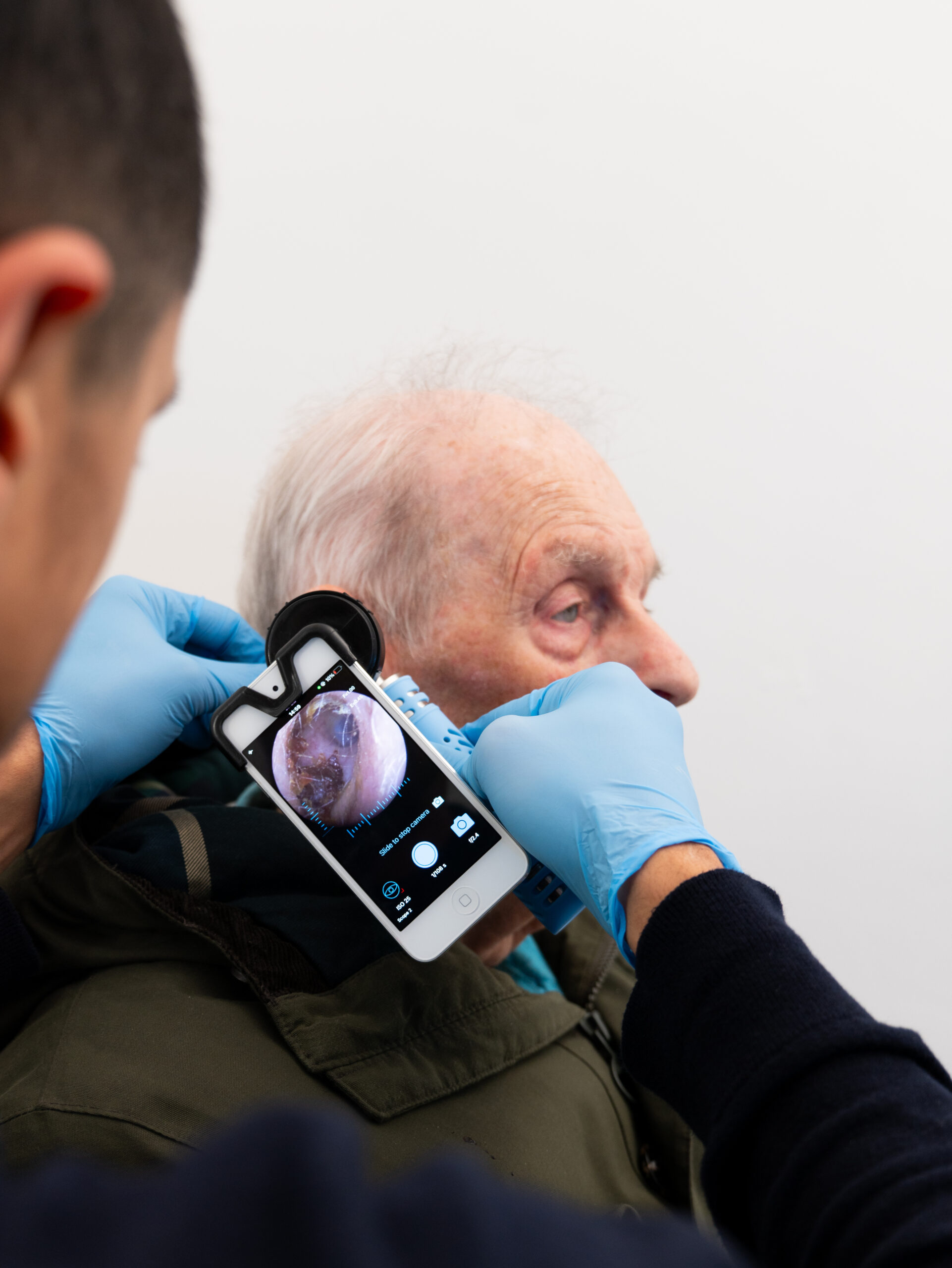
This step is not optional; it is what makes the treatment safe. If an infection or another issue is found that makes microsuction unsuitable at that time, your audiologist will tell you clearly and advise on the right next step.
During the Procedure
The procedure typically takes between 15 and 30 minutes depending on the amount of wax and how well it has been softened. Most patients find it manageable and are relieved at how straightforward it is compared to what they expected.
After the Procedure
Your audiologist may advise you to:
- Keep your ears dry for a brief period if your ear canal shows any sensitivity.
- Avoid inserting cotton buds or any objects into the ear.
- Use occasional olive oil drops if you are prone to recurring build-up.
Who Should and Should Not Have Microsuction?
Microsuction is suitable for:
- Most adults with earwax build-up causing symptoms.
- People with sensitive ears or a history of ear conditions
- Patients who have had ear surgery or have a perforated eardrum. Microsuction is safer than ear irrigation in these cases, but your audiologist will assess individually.
- Hearing aid users with recurring wax build-up
- Anyone for whom ear irrigation has been contraindicated.
Microsuction may need to be delayed or modified if you have:
- An active outer ear infection, this may need to be treated before wax removal is safe.
- Significant ear canal inflammation, the audiologist will assess whether to proceed.
- Extreme sensitivity or anxiety about the procedure, discuss this with the team before your appointment so adjustments can be made.
Microsuction at Direct Ear Care Manchester
At Direct Ear Care, microsuction is carried out by HCPC-registered audiologists using clinical-grade equipment. Every appointment begins with a thorough ear examination; no wax is removed before the ear has been accurately assessed.
Here is what you can expect when you book with us:
- A full ear examination before any treatment is recommended.
- Microsuction carried out by HCPC-registered audiologists with clinical-grade equipment.
- Honest advice if microsuction is not the right option for you, we will tell you and explain why.
- Ear irrigation available where appropriate, with proper assessment first
- Clear, transparent pricing with no hidden costs
- Home visits available for patients who cannot attend the clinic.
Find Us in Manchester
Direct Ear Care is based at Ashville Surgery, 171 Upper Chorlton Road, Manchester, M16 9RT. The clinic is well-positioned for patients travelling from Chorlton, Whalley Range, Firswood, Stretford, Old Trafford, Didsbury, Sale, and surrounding areas of South Manchester.
Phone: 0330 133 0511 (Freephone) |
Email: info@directearcare.co.uk | Open Monday to Saturday
Parking
Public Transport
Accessibility
Conclusion
Earwax is natural and necessary, but when it builds up too much, it can cause real problems with your hearing, comfort, and daily life. Microsuction is one of the safest and most effective ways to clear it and knowing what to expect before your appointment makes the entire process much easier.
If you are based in Manchester or the surrounding areas — including Chorlton, Didsbury, Stretford, Sale, or Whalley Range — Direct Ear Care offers professional, HCPC-registered microsuction with a thorough examination before any treatment. Home visits are available if you cannot attend the clinic.
Do not put up with blocked ears. Book an appointment and have your hearing assessed properly.
Written and medically reviewed by:

Ibrahim Musa
Audiologist
Frequently Asked Questions
Is microsuction painful?
How long does a microsuction appointment take?
Do I need to use ear drops before my appointment?
Can earwax come back after microsuction?
Is microsuction safe if I have had ear surgery or a perforated eardrum?
What if microsuction is not suitable for me?
Do you offer home visit microsuction in Manchester?
Related posts
How Often Should Adults Have Their Hearing Checked?
Rechargeable Hearing Aids vs Battery Hearing Aids: Which Is Better?