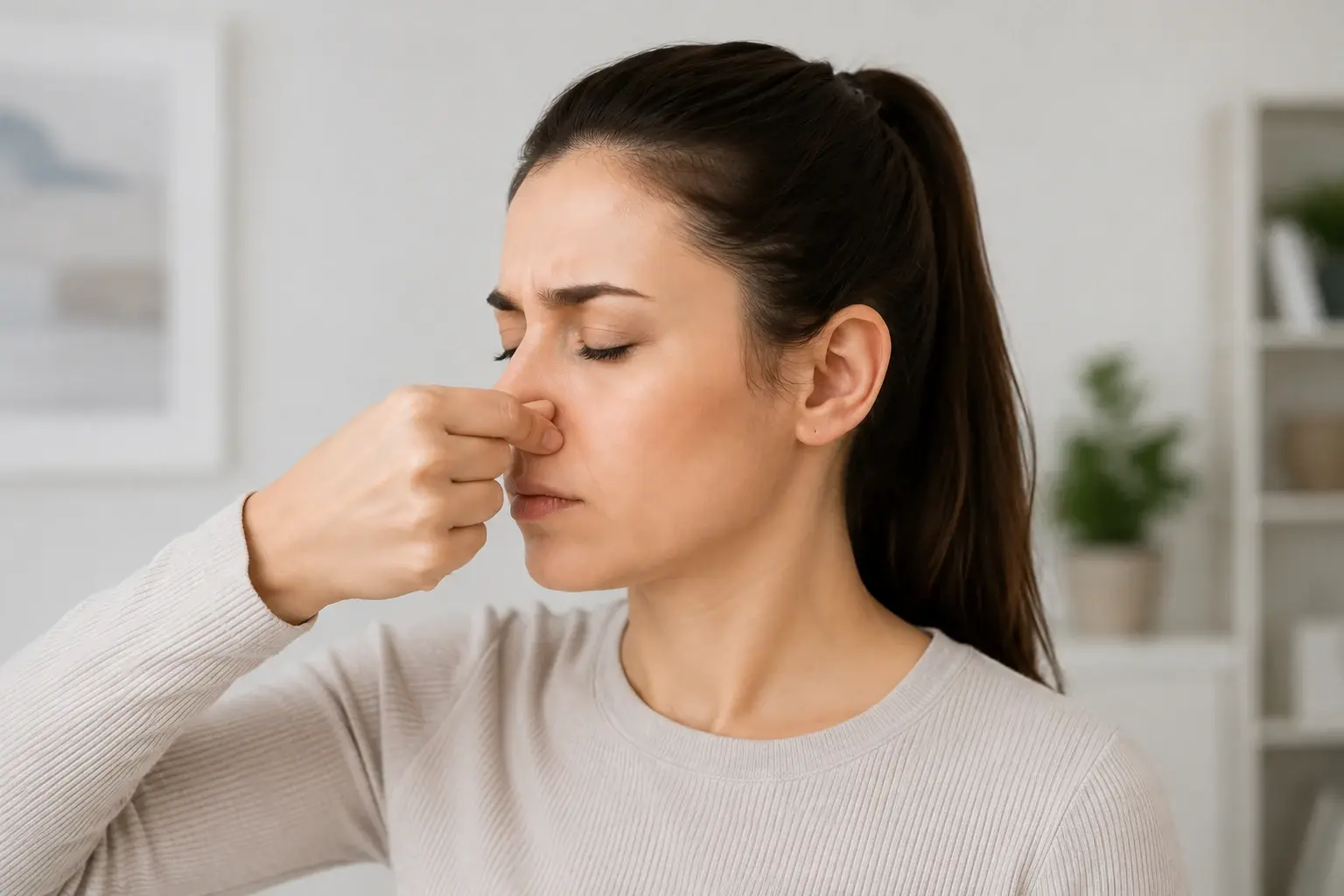
Your ears are remarkably good at regulating air pressure without you ever noticing. So, when they suddenly start popping repeatedly, feel blocked, or won’t quite “clear,” it’s natural to wonder what’s going on. It’s often linked to flying or altitude changes, but sometimes there’s a different cause entirely.
One of the leading causes is Eustachian Tube Dysfunction (ETD). A US study published in JAMA Otolaryngology–Head & Neck Surgery found ETD affects around 4.6% of US adults, roughly 11 million people. A comparable UK-specific figure isn’t readily available, but ETD is recognised as a common condition here too.
Ear popping can also signal inflammation, sinus issues, allergies, ear infections, or problems that have little to do with the ears themselves. The same symptom can point to several different causes and treating the wrong one won’t solve the problem.
This guide covers the main causes of ear popping, the treatment options available, and the warning signs you shouldn’t ignore.
What's Happening Inside Your Ears When They Pop
Once pressure equalises, you hear the familiar pop. But if the Eustachian tube becomes blocked or doesn’t function properly due to allergies, sinusitis, infection, or swelling. Pressure builds up inside the ear, leading to persistent popping, discomfort, muffled hearing, or a feeling of fullness.
What Causes Ear Popping?
1. Eustachian Tube Dysfunction (ETD)
2. Changes in Air Pressure (Barotrauma)
Rapid altitude changes during flights, mountain drives, scuba diving, or lifts can briefly disrupt pressure balance in the ear. Usually, the popping feeling clears within a couple of minutes. But severe pressure changes can cause barotrauma, leading to pain, temporary hearing loss, or eardrum damage.
For a full guide to pressure-related ear popping on flights, including prevention and relief techniques, see: Blocked Ears on Flights — Causes, Quick Fixes, and When to Get Help
3. Allergies and Sinus Conditions
4. Ear Infections
5. Excess Earwax Build-Up
Earwax sits in the outer ear rather than the middle ear, but a significant build-up can create pressure, making the ear feel clogged and prone to popping. It can also cause temporary hearing loss, tinnitus, itching, or dizziness. This usually improves once ear professional ear wax removal treatment at your local clinic or mobile ear wax removal. If popping continues afterwards, see an audiologist for further investigation.
6. Temporomandibular Joint (TMJ) Disorders
What Are the Warning Signs of Ears Popping You Shouldn't Overlook
1. Persistent Popping
2. Ear Pain or Pressure
3. Muffled Hearing or Hearing Loss
4. Ringing in the Ears
Popping alongside persistent ringing, hissing, or humming can signal tinnitus linked to pressure imbalance, hearing loss, or an inner ear condition. It isn’t always serious, but recurring symptoms are worth a professional assessment.
Related reading: Tinnitus: What It Is, What Causes It, and When to Get Help
5. Dizziness or Balance Problems
6. Ear Discharge or Fever
How to Treat Ear Popping?
1. Pressure Equalisation for Temporary Popping
- Swallowing, yawning, or chewing gum to stimulate the Eustachian tube
- Drinking water frequently during take-off and landing
- Gently performing the Valsalva manoeuvre to equalise pressure
- Using pressure-regulating earplugs during air travel if you're prone to barotrauma
2. Treating the Underlying Cause of Eustachian Tube Blockage
- Antihistamines for allergy-related inflammation
- Corticosteroid nasal sprays to reduce swelling around the Eustachian tube
- Short-term decongestants for acute congestion
- Saline nasal irrigation to improve drainage
3. Treatment for Ear Infections
- Antibiotics for a bacterial infection
- Pain relief for discomfort
- Monitoring fluid levels as the infection resolves
- A follow-up hearing assessment if symptoms persist
4. Safe Earwax Removal
Where excess earwax is contributing to popping, the safest removal methods are microsuction and ear irrigation, carried out by a trained professional. Softening drops may also be recommended beforehand for hardened wax.
If you’re confused which ear wax removal treatment is good for you, read this blog: “Microsuction vs Ear Irrigation: Which Is Right for You?”
5. Advanced Treatment for Persistent Popping
If symptoms continue despite treatment, further investigation may identify a structural or chronic cause. Options at this stage can include:
- Balloon Eustachian tuboplasty to widen a narrow tube
- Tympanostomy (grommets) for chronic pressure imbalance
- Treatment for TMJ disorders where jaw dysfunction is the root cause
- Management of chronic sinus disease or nasal polyps
When to Book a Hearing Check for Persistent Popping
- Ear popping lasting more than one to two weeks, without recent flying or altitude change
- Frequent episodes that keep returning and affect work, sleep, or daily life
- Muffled hearing or noticeable hearing loss
- Persistent ringing, buzzing, or humming alongside popping
- Ear pain, pressure, or fullness that doesn't improve with simple techniques
- Dizziness, vertigo, or balance problems
- Fluid, pus, or blood from the ear, especially with fever or pain
- Recurring infections or chronic sinus and allergy problems
Still confused whether to book a hearing test or ear wax removal treatment? Read this blog: “Do You Need Ear Wax Removal or a Hearing Test? How To Tell the Difference?” to learn more.
Conclusion
Ear popping is usually just your ears restoring pressure balance. But when it becomes persistent, or comes with pain, hearing changes, dizziness, or tinnitus, it’s worth taking seriously. Temporary pressure changes are the most common trigger, but conditions like Eustachian Tube Dysfunction, allergies, sinusitis, ear infections, or earwax build-up can all be responsible.
The key to effective treatment is identifying the actual cause rather than just relieving the symptom. Paying attention to warning signs and seeking timely professional evaluation helps prevent complications and ensures you get the right treatment.
Book a Hearing Check Today
Written and medically reviewed by:

Ibrahim Musa
Audiologist
Frequently Asked Questions
Is it normal for my ears to pop every day?
Can earwax cause popping in my ears?
How long does ear popping last after a flight?
Should I try to pop my ears if they feel blocked?
Can ear popping be prevented?
Related posts
How Often Should Adults Have Their Hearing Checked?
Rechargeable Hearing Aids vs Battery Hearing Aids: Which Is Better?