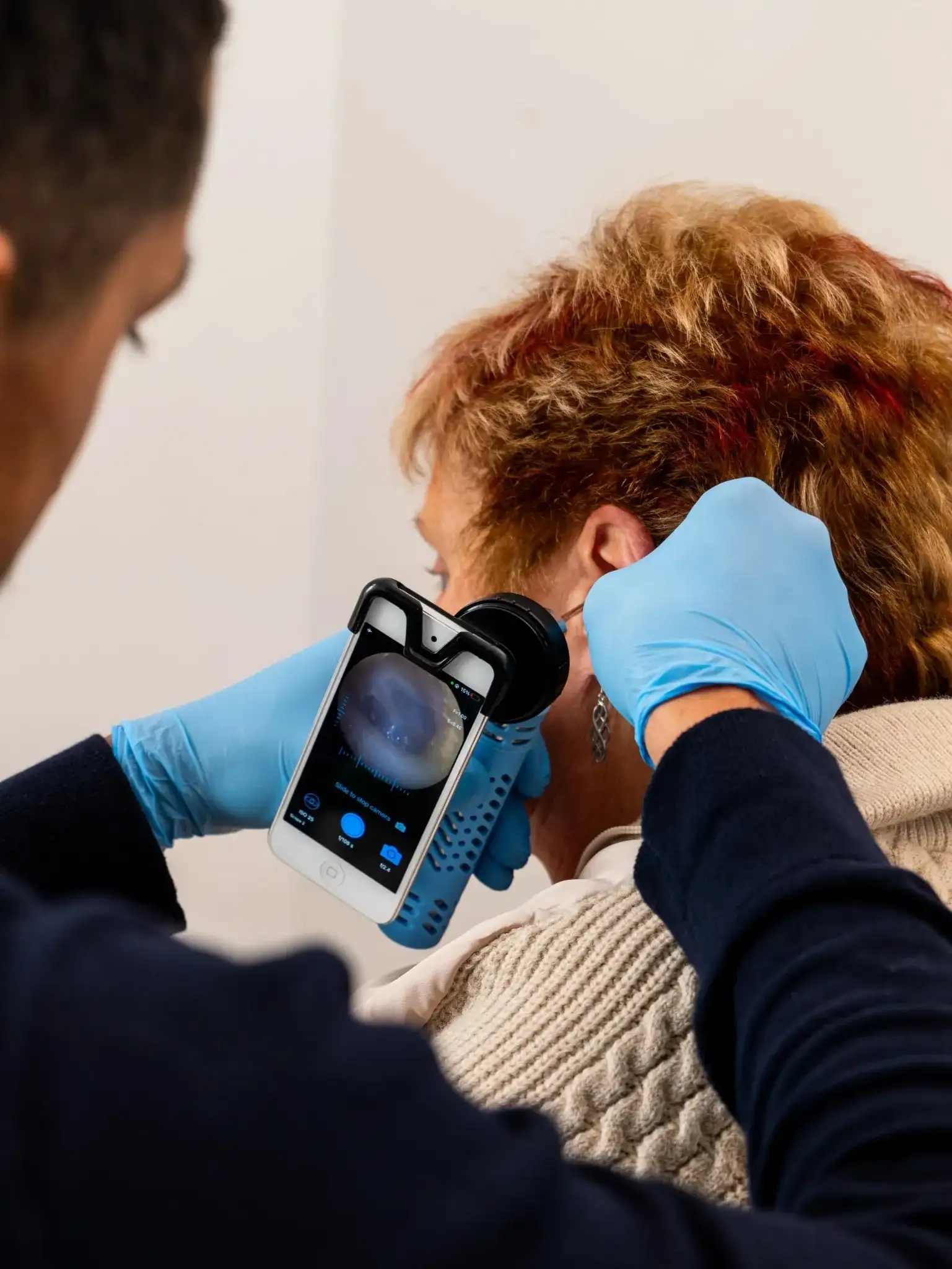
There is no fixed schedule for earwax removal, because earwax is a normal part of ear health and usually clears itself naturally. Most people never need their ears professionally cleaned at all. For older people, annual ear cleaning might be necessary; similarly, people who naturally tend to produce more ear wax may need ear wax removal every six to twelve months. Most people don’t pay much attention to ear wax until it becomes an issue. Many people assume regular ear cleaning is necessary for good ear health, but the truth is your ears are designed to clean themselves.
Earwax, also known as cerumen, plays an important protective role. Normally, the body pushes old wax out of the ear canal gradually. But some people have excessive wax, or conditions that make it harder for wax to clear naturally.
According to NICE guideline NG98, an estimated 2.3 million people in the UK each year have problems with earwax significant enough to need intervention. A supporting UK review published in the British Journal of General Practice found earwax prevalence varies by age — roughly 10–43% in children, 2–5% in adults aged 16–59, and 16–57% in adults aged 60 and over.
So, how often should you get your ears cleaned? This guide covers the basics of earwax, who may need more frequent removal, when to seek help, and the safest methods for keeping your ears healthy.
Why Is Earwax Important?
Earwax may seem like something to get rid of, but it serves several important purposes. It helps to:
- Trap dust, dirt, and other particles.
- Protect the ear canal from bacteria and fungi
- Lubricate the skin inside the ear canal
- Support the ear's natural self-cleaning process
Earwax slowly moves toward the outside of the ear as you chew, talk, and move your jaw, and falls out on its own. This is why most people will never need professional earwax removal.
How Often Should You Clean Your Ears?
Individual | Recommended Frequency |
Most healthy adults | Only if symptoms develop |
Hearing aid users | Every 6–12 months, or as advised |
People with recurring wax build-up | Every 6–12 months, or as advised |
Older adults | Annual ear health checks is beneficial |
People with narrow ear canals | Based on clinician recommendation |
These are general guidelines only. Your own ear health and medical history determine how often you should be checked.
Who May Need More Frequent Earwax Removal?
1. Hearing Aid Users
Hearing aids can interfere with the ear’s natural wax clearance and can lead to impacted ear wax. Build-up can also block hearing aid components and reduce their performance. Regular ear examinations help protect both ear health and hearing aid function.
2. Older Adults
3. People With Narrow Ear Canals
4. People Who Naturally Produce More Wax
5. Frequent Earbud Users
Regular use of earbuds or in-ear headphones can push wax deeper into the canal. Earbuds don’t cause excess wax production, but they can disrupt the ear’s natural clearance process.
If you’re confused about getting a hearing test or an ear wax removal treatment, this blog can help resolve your doubt: “Do You Need Ear Wax Removal or a Hearing Test? How To Tell the Difference?”
What Are the Signs You May Need Professional Ear Wax Removal?
- Blocked or plugged ears
- Reduced hearing or muffled sounds
- Ringing or buzzing in the ears (tinnitus)
- Pressure or discomfort in the ear
- Dizziness or balance problems
- Difficulty hearing conversations
- Hearing aid performance issues
Other ear conditions can cause similar symptoms. To understand more clearly when you need professional ear wax removal, read this blog: “7 Signs You Need Professional Earwax Removal”.
How Overcleaning Can Affect Ear Health
Many people unknowingly overclean their ears, disrupting the ear’s natural protective system. Removing wax too frequently can:
- Irritate the ear canal
- Cause dryness and itching
- Increase susceptibility to infection
- Stimulate the ear to produce more wax
Cotton buds are particularly problematic. Rather than removing wax, they tend to push it further into the canal, which makes it more likely to become impacted and cause injury to the eardrum. Most health experts advise against inserting anything into the ear canal cotton buds, ear picks, hairpins, or any other object.
What Happens If Earwax Isn't Treated?
1. Muffled Hearing
Excess wax can block sound waves from reaching the eardrum, making it harder to hear.
2. Ear Pressure and Discomfort
Build-up can cause a feeling of fullness, pressure, or blockage that affects everyday comfort.
3. Increased Tinnitus
In some people, impacted wax can cause or worsen ringing in the ears.
4. Hearing Aid Problems
Wax build-up can block hearing aid microphones and receivers, affecting sound quality and device performance.
What Are the Safest Methods for Earwax Removal?
The best method depends on the health of your ears, your medical history, and the condition of the wax. It’s always best to have a trained professional examine your ears before deciding on treatment. Following an assessment, you may be offered one of the following:
Microsuction
Microsuction involves a trained clinician removing the wax using a gentle suction device and a microscope or an endoscope to provide a clear visual. This method requires no water or chemicals to clean the wax.
Ear Irrigation
A controlled flow of warm water softens and flushes wax from the ear canal. Ear irrigation is safe and effective for many patients when performed by a trained professional after a proper ear examination, though it isn’t suitable for everyone.
Ear irrigation is the process of using a controlled flow of warm water to soften ear wax and irrigate the ear canal to remove the wax. Ear irrigation is safe and effective for many patients when performed by a trained professional after a proper ear examination, though it isn’t suitable for everyone
To know which professional ear wax removal method is best for you, read this blog: “Microsuction vs Ear Irrigation: Which Is Right for You?”
Why Professional Ear Wax Removal Matters
Professional removal offers benefits home remedies cannot guarantee:
- Accurately identify of what's actually causing your symptoms
- Safe removal using clinically approved techniques
- Reduced risk of damage to the ear canal or eardrum
- Diagnosis of underlying ear problems that may need separate treatment
- Personalised recommendations based on your individual ear health
How Does Direct Ear Care Provide Safe and Effective Ear Wax Removal?
Direct Ear Care provides safe and effective treatment based on an extensive hearing assessment, ensuring everyone gets a personalised treatment and recommendation plan.
- A thorough examination at every appointment — identifying the exact cause of your symptoms rather than assuming, so the right treatment plan can be recommended
- Personalised— your symptoms, ear health history, and examination results all shape the care you receive.
- Flexible appointments — clinic visits, mobile ear wax removal, for greater convenience with busy schedules or mobility concerns
- Clinical-grade equipment — supporting accurate assessment and precise, effective treatment
- Patient wellbeing as the priority — every treatment is carried out by HCPC-registered audiologists, focused on comfort and safety, and on supporting healthy ears long term
Conclusion
There is no fixed rule for how often your ears should be cleaned. Your ears will normally clean themselves without any action from you. Some people such as hearing aid wearers, older adults, and those prone to frequent wax build-up will benefit from with ear check-ups.
The key factor isn’t how often you clean your ears, but whether you have symptoms suggesting earwax is a problem. If you notice reduced hearing, tinnitus, or discomfort, a professional examination can determine whether removal is actually needed.
Keep Your Ears Healthy with Professional Care
Written and medically reviewed by:

Ibrahim Musa
Audiologist
Frequently Asked Questions
How often should I have my ears professionally cleaned?
Most people don’t need regular professional cleaning unless they have symptoms or are prone to build-up, the ears usually clean themselves. Professional cleaning is typically only needed when symptoms like blocked ears, hearing difficulties, or discomfort occur. Hearing aid users, people who produce excess wax, or those with frequent impaction may benefit from a check every 6 to 12 months. A professional can recommend the right schedule for you based on your ear health and history.
Should I clean my ears once a week?
No. Most people don’t need to clean their ears every week, and doing so can strip away the natural wax that protects the ear canal. This can lead to dryness, irritation, itching, and a higher risk of infection, and in some cases may even cause the ear to produce more wax. Unless a healthcare professional advises otherwise, regular cleaning is usually unnecessary.
How can I tell if earwax is causing my hearing problems?
Earwax may be the cause if you have muffled hearing, a blocked sensation, tinnitus, or ear pressure. But these symptoms can also come from other conditions, including infections or hearing loss unrelated to wax. Because the symptoms overlap, a professional ear examination is the most reliable way to find out what’s actually causing them.
Is it safe to use cotton buds to clean earwax?
No. Cotton buds usually push wax deeper into the canal rather than removing it, and repeated use can irritate the canal and increase the risk of injury. Nothing should be inserted into the ear canal. If you think earwax is causing symptoms, a professional assessment is the safest option.
What is the safest professional earwax removal method?
It depends on the condition of your ears and should be determined after an examination, since everyone’s ears are different. Depending on what’s found, your clinician may recommend microsuction or ear irrigation. Microsuction is often considered especially precise, since the clinician can see the ear canal clearly throughout. A professional assessment ensures the safest, most effective method is chosen for you.
Related posts
How Often Should Adults Have Their Hearing Checked?
Rechargeable Hearing Aids vs Battery Hearing Aids: Which Is Better?