Swimming is one of the best ways to stay active, relax, and enjoy time in the water. But without a few simple precautions, time in pools, lakes, or the sea can affect your ears.
According to NHS Inform swimmer’s ear (otitis externa) is a common outer ear infection that can develop when water remains trapped in the ear canal after swimming, creating a warm, moist environment where bacteria can grow.
Fortunately, many ear issues associated with swimming can be avoided with a few simple habits. If you are a regular swimmer and spend a lot of your holiday at the beach, or if you take your children for swimming lessons, it is just as important to protect your ears as it is to protect your skin from the sun.
This guide explains why swimming affects your ears, practical ways to prevent problems, the signs that mean you should seek professional care, and how to keep your ears healthy all year round.
How Can Swimming Affect Your Ear Health?
Your ears have a natural defence system. The ear canal produces earwax (cerumen), which traps dust, dirt, and bacteria while forming a protective barrier against moisture. Normally, earwax moves out of the ear on its own, keeping the canal clean without any need for cleaning.
When water stays in the ear canal, it softens the protective layer of earwax and keeps the skin inside the ear damp. In warm, moist conditions, bacteria and fungi can grow more easily. This makes it easier for an infection of the outer ear canal (swimmer’s ear) to develop
Factors That Increase the Risk
Some common risk factors include:
- Swimming frequently, especially during summer
- Water remains trapped inside the ears after swimming
- Narrow or curved ear canals that do not drain well
- Cleaning the ears too often strips away the earwax that protects them
- Existing skin conditions such as eczema or psoriasis
- Regular use of hearing aids or earbuds that may trap moisture
How To Protect Your Ears When Swimming?
You don’t need costly gear or complicated routines. A few simple adjustments before and after swimming can significantly reduce the risk of infection and irritation.
1. Wearing Swimming Ear Plugs
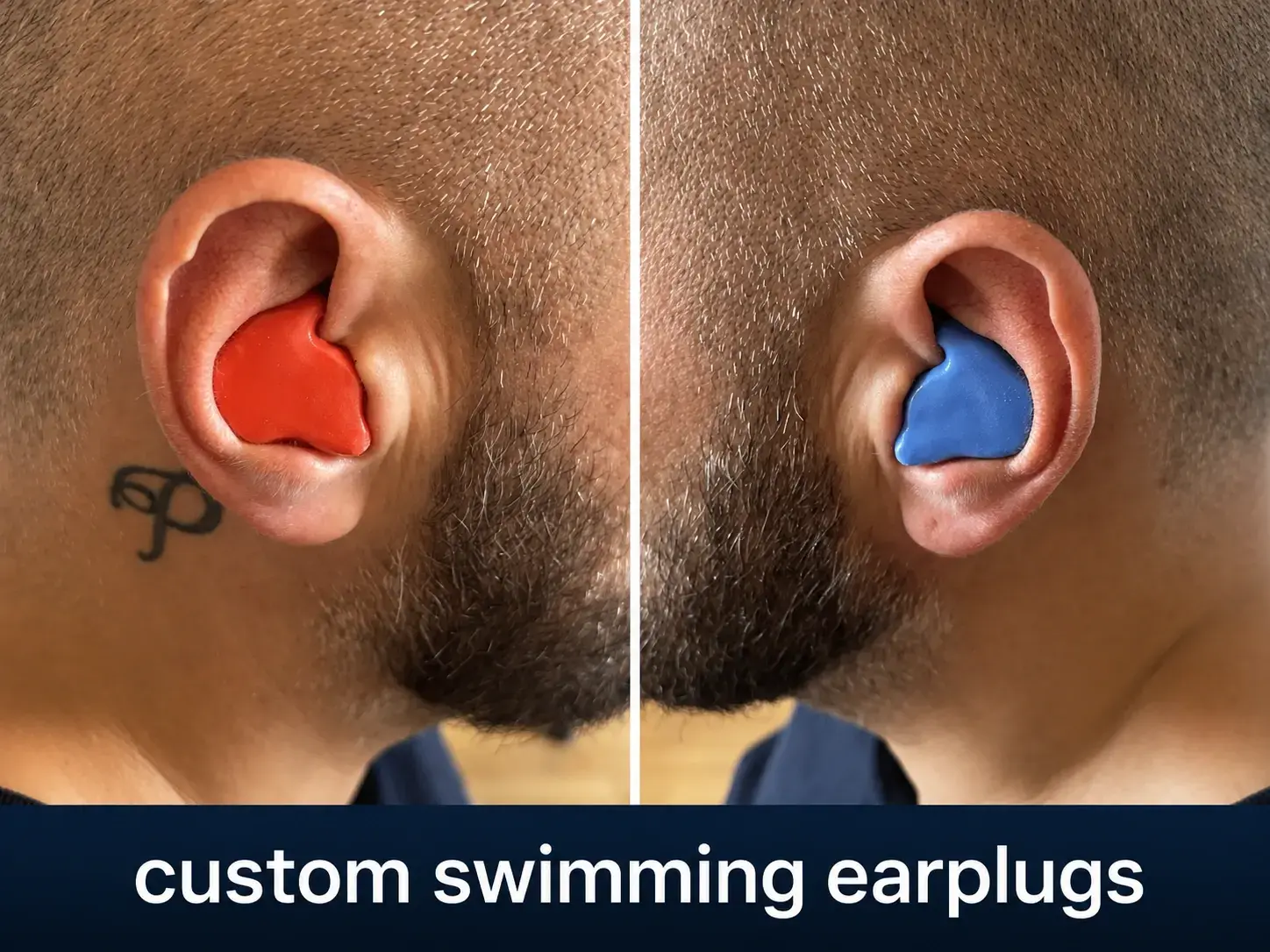
Swimming earplugs are one of the simplest ways to keep water out of the ear canal, forming a barrier while you swim. Custom swimming earplugs designed specifically for a proper fit gives better protection and is more comfortable to wear for longer.
2. Dry Your Ears Thoroughly After Swimming
Even with earplugs, a little water can still get in. Drying your ears properly afterwards is one of the best ways to prevent swimmer’s ear. To clear trapped water safely:
- Tilt your head to each side and let gravity help the water drain
- Gently pull your outer ear in different directions to help release trapped water
- Dry the outside of the ear with a clean, soft towel
Drying the outer ear with a towel is good practice. What you should avoid is inserting anything into the ear canal to dry it. Cotton buds in particular push earwax deeper, which makes blockages more likely and can irritate the delicate skin inside the ear.
3. Choose Clean Swimming Environments
The quality of the pool or ocean you swim in will also help to keep your ears safe. Well-maintained swimming pools are regularly treated to control bacteria levels, making them safer than poorly maintained pools or contaminated natural water sources. Lakes, rivers, and beaches can carry higher bacteria levels, particularly after heavy rain or when water quality is poor. Reducing exposure to contaminated water lowers your risk of ear infection.
4. Do Not Swim If You Have Existing Ear Infections
Swimming can aggravate an existing ear infection. Adding water to an already irritated ear can slow healing and increase discomfort. If you have recently had ear surgery or have grommets, speak to your healthcare professional before returning to swimming. A short break during recovery helps avoid complications and speeds healing.
What Are the Signs Your Ears Need Attention After Swimming?
It’s normal for a little water to stay in your ears after swimming, and it usually drains within a few hours. But if symptoms persist or worsen, don’t ignore them catching a problem early can stop it becoming a serious infection.
1. Pain or tenderness of the ears
2. Feeling of Fullness or Blockage
Some people feel as though water is still trapped even hours later. This can be due to moisture in the canal, swelling, or earwax that has absorbed water and swollen. If the blocked sensation doesn’t improve on its own, it’s worth a professional check.
3. Muffled or Reduced Hearing
4. Itching Inside the Ear
Itching can be a minor issue, but it is one of the first indications of a swimmer’s ear. When you scratch inside your ear or insert objects into your ears to relieve the itching, you are damaging the skin and making it easier for an infection to happen.
5. Ear Discharge, Swelling, or Fever
If there is any fluid draining from the ear, or you develop a fever, seek medical attention promptly. These can be signs of an active infection that needs treatment. Delaying care allows the infection to worsen.
Rather than trying to self-diagnose these symptoms, a professional ear examination can identify the cause and provide the safest, most effective treatment.
If you want to know more about when you need professional treatment, read this blog: “7 Signs You Need Professional Earwax Removal”.
Mistakes to Avoid When Protecting Your Ears
Many people unknowingly increase their risk of ear problems by following incorrect ear care practices. While these methods may seem harmless, they can cause irritation, push earwax deeper into the ear canal, or even lead to infection.
1. Using Cotton Buds to Clean Your Ears
Cotton buds are one of the most common causes of impacted earwax. Rather than removing wax, they push it deeper into the canal, making it harder to clear. If you suspect a blockage, always consult a professional rather than reaching for cotton buds.
2. Ignoring Ongoing Symptoms
It’s tempting to assume the pool or your swimwear irritated your ears and the discomfort will pass. Mild water retention often does clear on its own but if symptoms last more than a day or two, don’t dismiss them. Early treatment prevents minor problems from becoming serious infections.
3. Continuing to Swim with an Ear Infection
Swimming with an existing infection can slow healing and make you feel worse, as the extra moisture allows bacteria to keep growing. Return to the pool or open water only once your ears have properly recovered. Following professional advice helps you recover faster and reduces the chance of the infection returning.
When You Should Visit a Professional Ear Clinic
A small amount of earwax is normal and usually does not require treatment. However, if you experience ongoing symptoms or discomfort, it is important to have your ears examined by a qualified professional. Early assessment can help identify the cause and ensure you receive the right treatment. See a professional if:
- You have persistent ear pain or discomfort.
- Your hearing feels muffled
- You experience ringing in the ears, dizziness, or a feeling of fullness.
- Earwax keeps building up even after previous treatment.
- There is discharge, bleeding, or signs of an ear infection.
What You Can Expect at Direct Ear Care
Every appointment at Direct Ear Care focuses on safe, professional, and personalised care. That includes:
- A thorough examination of the ears before any treatment
- Assessment by qualified, experienced HCPC-registered audiologists
- Safe earwax removal using microsuction or ear irrigation, where appropriate
- Hearing checks whenever needed
- Personalised advice to help prevent future ear problems
- Transparent pricing with no hidden charges
- Convenient clinic appointments and home visits for eligible patients
This is a patient-focused approach and means that treatment is only offered when needed and always tailored to your needs. It is important to have your symptoms evaluated by a healthcare provider so that you can receive proper management and treatment for any underlying ear issues, such as impacted cerumen, blocked ear canals, or water trapped in your ears.
Conclusion
Swimming is a fun and healthy way to stay active and protecting your ears while you do it is simple. Wearing earplugs, drying your ears safely afterwards, avoiding cotton buds, and knowing the warning signs of infection all help lower your risk. And when symptoms do appear, early assessment prevents complications and ensures any underlying issue is treated properly.
At Direct Ear Care, skilled audiologists provide thorough ear examinations, personalised treatment, and safe earwax removal when needed — helping you swim with confidence. Pay attention to the signs and protect your ears before problems develop.
Book Your Free Hearing Test At Direct Ear Care Manchester
CTA: Call 0330 133 0511 | Book an Appointment Online
Written and medically reviewed by:

Ibrahim Musa
Audiologist
Frequently Asked Questions
Can you get ear infections from swimming?
Yes. If water stays in the ear canal, it can lead to an infection of the outer ear canal, known as swimmer’s ear (otitis externa). The trapped moisture creates conditions where bacteria can grow. Not everyone who swims gets an infection, but it’s more likely if water remains in the ear for a long time or the skin inside is already irritated. Drying your ears properly after swimming helps lower the risk.
How can I safely remove water trapped in my ear after swimming?
Tilt your head to the affected side and gently pull your earlobe to help the water drain, then dry the outside of your ear with a clean towel. Avoid inserting cotton buds, fingers, or other objects, which can push earwax deeper or injure the ear canal. If the blocked feeling lasts more than a day or two, or isn’t improving, book a professional ear check.
Do I need ear plugs when I swim?
Ear plugs are not a necessity, but they may be useful if you swim often or have had a history of ear infections. It will prevent water going inside your ear lowering the risk of irritation or infection. Use custom earplugs designed for swimming. If you’re unsure whether earplugs are right for you, speak to a hearing professional.
When should I visit a professional ear clinic after swimming?
If you experience any ear pain, loss of hearing, or a feeling of blockage, any discharge that does not resolve after swimming, please schedule a professional ear exam. These signs may be caused by impacted earwax, infection, or other ear problem that needs treatment. Early assessment helps determine the cause and stop the problem from getting worse. Avoid trying to remove earwax yourself, as this may cause further irritation.
Can Direct Ear Care treat ear problems caused by swimming?
Yes. Direct Ear Care provides professional ear examinations to identify the cause of swimming-related ear problems. However, when ear wax or debris has caused a problem with your hearing or creates discomfort, a qualified audiologist can safely remove it with the use of the correct clinical technique for ear irrigation or microsuction, depending on the health of your ears. They also provide personalised advice to help keep your ears healthy and reduce the risk of future problems after swimming.
Related posts

How Often Should Adults Have Their Hearing Checked?
Rechargeable Hearing Aids vs Battery Hearing Aids: Which Is Better?