

One moment your hearing is fine. The next, your ear feels full, muffled, or completely blocked and you have no idea why. It can happen in seconds and feel alarming when it does.
The good news is that most sudden ear blockages are not serious and can be managed safely. The most important thing right now is to stay calm, avoid reaching for a cotton bud, and understand what might be causing it before you do anything.
This guide tells you what to do immediately, what is likely causing it, what to avoid, and when you need professional help.
The good news is that most sudden ear blockages are not serious and can be managed safely. The most important thing right now is to stay calm, avoid reaching for a cotton bud, and understand what might be causing it before you do anything.
This guide tells you what to do immediately, what is likely causing it, what to avoid, and when you need professional help.
What Does a Sudden Blocked Ear Feel Like?
A blocked ear is often easy to recognise. Common signs include:
- Muffled or reduced hearing
- A feeling of fullness or pressure inside the ear
- Ringing or buzzing in the ear (tinnitus)
- Earache or discomfort
Symptoms can range from a minor inconvenience to something that significantly affects how clearly you can hear and communicate. How you respond in the first few hours can make a real difference to how quickly it resolves.
What Causes a Sudden Blocked Ear?
Understanding the cause helps you choose the right treatment. The most common causes are:
Earwax Build-Up
Excess earwax can block the ear canal and make the ear feel full. Build-up is more likely if you:
- Naturally produce more earwax than average
- Regularly use earplugs or hearing aids, which can block wax from exiting naturally
- Use cotton buds or other objects, which push wax deeper into the canal rather than removing it
- Are older, earwax becomes drier and harder to clear naturally with age
If earwax is causing the blockage, professional ear wax removal is the safest and most effective solution
Sinus Congestion or Cold
The ear, nose, and throat are connected. When sinus passages become inflamed during a cold, flu, or allergy episode, the Eustachian tube connecting the ear to the throat can become blocked, causing pressure and a feeling of fullness in the ear. This type of blockage usually resolves as the cold clears.
Pressure Changes
Flying, driving through mountains, scuba diving or even travelling in a lift can cause a temporary pressure imbalance between the middle ear and the outside environment. Most people experience this as a brief muffled sensation or a pop.
Ear Infection
An outer or middle ear infection can cause swelling that narrows or blocks the ear canal and causes pain, pressure, and sometimes discharge. Infections do not resolve with home remedies and require medical treatment typically antibiotic ear drops or oral antibiotics prescribed by a GP.
Water Trapped in the Ear
After swimming or bathing, water can become trapped in the ear canal particularly if the ear canal has an unusual shape or if the ear is already partially blocked. It usually resolves on its own but can cause discomfort and temporary muffled hearing until it drains.
What You Should NOT Do When Your Ear Is Blocked
1. Do Not Use Cotton Buds or Other Objects
Using cotton buds, tissues and other objects to clean your ear can cause the earwax to be pushed further into the ear canal. This can make the blockage worse and even cause damage. Ears are sensitive, and cleaning the inside should be done by a professional.
2. Do Not Try to Flush the Ear Yourself
Home ear irrigation kits are available but are not recommended without a professional examination first. Without knowing the condition of your eardrum, flushing water into the ear risks serious damage if there is a perforation or an active infection present.
3. Avoid Applying Force or Pressure
Attempting to forcefully open the ear by blowing with pressure or pressing on the ear can worsen the pain and potentially cause more problems. If gentle techniques do not work, stop and seek professional advice.
When Does a Blocked Ear Need Urgent Medical Attention?
Most blocked ears are not emergencies. But some symptoms alongside a blocked ear indicate a problem that needs same-day or urgent medical assessment. Do not wait if you experience:
Sudden or significant hearing loss in one or both ears, seek urgent medical advice today. Sudden hearing loss can have time-sensitive causes that need prompt assessment.
- Severe or worsening ear pain that does not settle
- Discharge from the ear- particularly if it is coloured, bloody, or has an unpleasant smell
- Significant dizziness or spinning sensations (vertigo)
- Facial weakness or numbness alongside ear symptoms
- Symptoms that have not improved at all after five to seven days
These symptoms can point to ear infection, a perforated eardrum, or another condition that goes beyond a simple blockage. A GP or urgent care assessment is the right next step, not more home remedies.
Why a Professional Ear Examination Matters
Before any treatment is recommended, a proper ear examination is always the first step.
it allows your audiologist to:
it allows your audiologist to:
- Identify the exact cause of the blockage, not all blocked ears are caused by earwax
- Check the condition of the eardrum and ear canal before any procedure takes place
- Diagnose signs of infection or inflammation that may need separate medical treatment
- Determine which removal method is safest and most appropriate for your specific situation
- Avoid unnecessary or unsuitable procedures that could cause harm
What are the treatment options for a blocked ear?
Treatment for a blocked ear depends on the underlying cause and the severity of the symptoms. Your audiologist will examine your ears before recommending any treatment.
Ear Wax Removal
If earwax build-up is causing your blocked ear, your audiologist will examine your ears and then remove the wax safely using microsuction or ear irrigation ,irrigation, depending on which method is most appropriate for your ears.
Clearing the Eustachian Tube
If your blocked ear is caused by Eustachian tube dysfunction due to pressure changes, a cold, allergies, or sinus congestion the following techniques may help:
- Yawning, swallowing, or chewing gum: these actions activate the muscles that open the Eustachian tube, allowing air to flow and equalise pressure in the ear
- Valsalva manoeuvre: pinch your nose, close your mouth, and gently blow out through your nose. Do this softly, blowing too hard can damage the eardrum
- Steam inhalation: breathing steam from a warm shower or a bowl of hot water may help ease nasal congestion and reduce ear pressure.
- Otovent balloon: a clinically tested device that works by inflating a small balloon through one nostril while the other is pinched shut. The gentle pressure this creates helps open the Eustachian tube and allows fluid or pressure to equalise in the middle ear. Available from otovent.co.uk
How To Prevent Blocked Ears
Preventive care plays an important role in maintaining ear health. Regular ear care and maintenance can help lower the risk of recurrent blockage.
1. Do Not Insert Anything into Your Ear
One should avoid inserting cotton buds, tissues and other things into the ear. Although this may appear to be cleaning the ear, it can force the earwax further down the ear canal, causing the wax to accumulate and clog the ear. The ear has a self-cleaning mechanism, and it is best to leave it alone.
2. Keep the Ears Dry After Water Exposure
Drying the outside of the ear after showering, bathing, or swimming can help keep water from getting trapped inside. Retained moisture in the ear may cause discomfort and potential irritation or infection. Shaking out the ear or tilting the head down to help drain the water and gently patting the outside dry with a clean towel may help.
3. Manage Sinus or Allergy Conditions
Sinus issues and allergies can influence the pressure balance of the ear, giving a sensation of ear blockage. Early treatment of these conditions can help avoid ear issues. This may involve seeking and following the treatment the doctor prescribes for colds, sinus problems or allergies. Managing these conditions promotes healthy ear function and prevents blockage due to pressure.
Regular Ear Check-ups
Those who often experience earwax build-up can schedule regular assessments with a professional to avoid blockage. If you find yourself getting recurring blockages, regular professional ear checks, every six to twelve months, allow the earwax to be monitored and removed safely before it becomes a problem.
Blocked Ear Treatment at Direct Ear Care
At Direct Ear Care, a thorough ear examination is always performed first. Every patient is assessed individually the cause of the blockage is confirmed before any treatment is recommended, and the treatment chosen is based on what is safest and most appropriate for that specific patient.
Conclusion
A sudden blocked ear should never be ignored, but it does deserve prompt, careful attention. Acting with care, rather than urgency or force, is key to preventing further complications.
Most blockages resolve with the right approach. But if symptoms persist beyond a few days, worsen, or come with any of the red flag signs listed in this guide, professional assessment is always the right next step.
Most blockages resolve with the right approach. But if symptoms persist beyond a few days, worsen, or come with any of the red flag signs listed in this guide, professional assessment is always the right next step.
Written and medically reviewed by:

Ibrahim Musa
Audiologist
Share this post
Frequently Asked Questions
Can a blocked ear clear on its own?
Yes, in many cases. Blockages caused by temporary pressure changes, minor congestion, or small amounts of water in the ear often resolve naturally within hours or a day or two. If the blockage has not improved after five to seven days, or if symptoms are worsening, book a professional ear check rather than continuing to wait.
Is microsuction or ear irrigation safer?
Both are safe when performed by a trained professional on a suitable patient. Microsuction is generally considered the more precise option it uses gentle suction under direct magnified vision, does not introduce water into the ear, and is suitable for a wider range of patients including those who cannot have irrigation. The right method for you depends on the type and amount of wax present and your ear health history, which is why an examination always comes before any treatment decision.
When should I seek professional help for a blocked ear?
Seek professional help if symptoms have not improved after five to seven days, if the blockage is getting worse rather than better, or if you experience significant hearing loss, severe or worsening pain, discharge from the ear, or dizziness. Sudden significant hearing loss should prompt same-day medical advice, it can have time-sensitive causes that need prompt assessment.
Are home treatments safe to treat a clogged ear?
Some are. Olive oil drops are a safe and clinically supported way to soften earwax at home. The Valsalva manoeuvre is a safe technique for pressure-related blockage. Staying hydrated and using saline nasal spray can help with congestion-related ear pressure. What is not safe is inserting cotton buds or other objects into the ear canal, using home irrigation kits without a prior professional examination, or using ear candles, none of these are recommended and all carry real risks.
Can a blocked ear cause permanent hearing loss?
Earwax blockage causes temporary, conductive hearing loss that resolves once the wax is removed. Permanent hearing loss from earwax alone is extremely rare. However, if a blocked ear is caused by an untreated infection, a perforated eardrum, or another underlying condition, the risk profile changes. This is one of the key reasons a professional examination matters to identify the actual cause and treat it appropriately before complications develop.
Related posts

How Often Should Adults Have Their Hearing Checked?
Hearing loss creeps up gradually, so it's easy to miss the early signs. How often should you actually get checked? It depends on your age and lifestyle, here's a simple guide to help you know when.
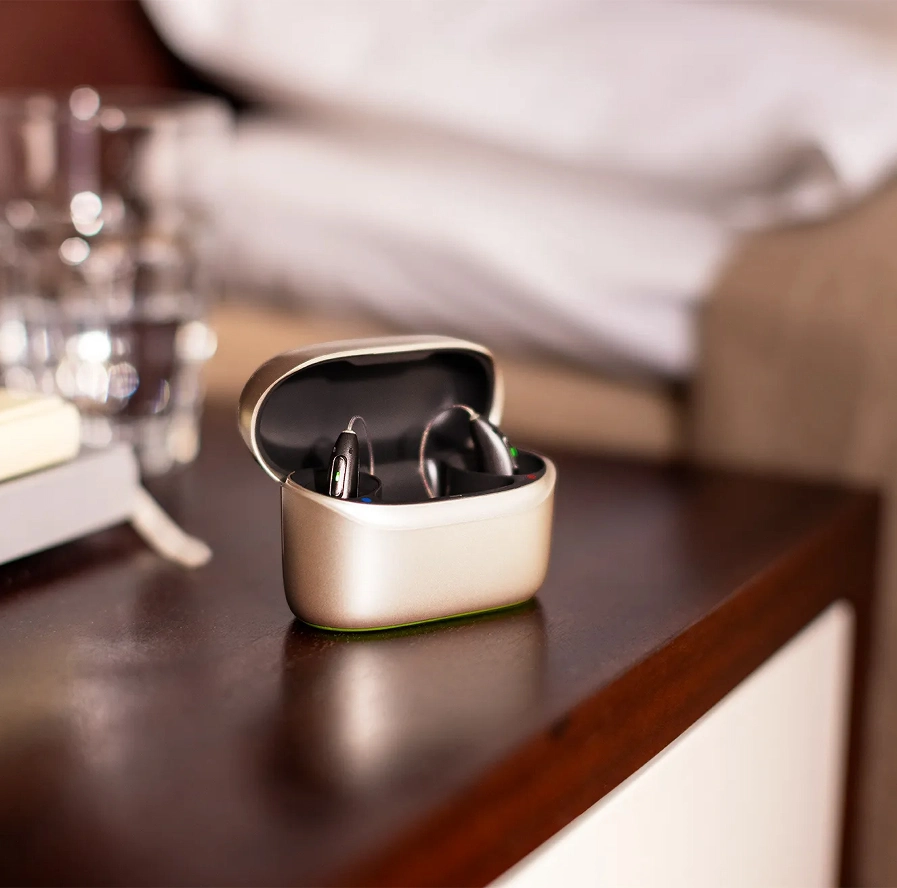
Rechargeable Hearing Aids vs Battery Hearing Aids: Which Is Better?
Rechargeable or battery-powered, which hearing aid actually suits your life? It comes down to more than convenience. Here's a clear breakdown to help you choose with confidence.

Can Untreated Hearing Loss Affect Memory and Dementia Risk?
Struggling to hear can quietly affect more than conversations, research links untreated hearing loss to memory and cognitive decline. Here's what the evidence actually shows, and why early testing matters more than you might think."