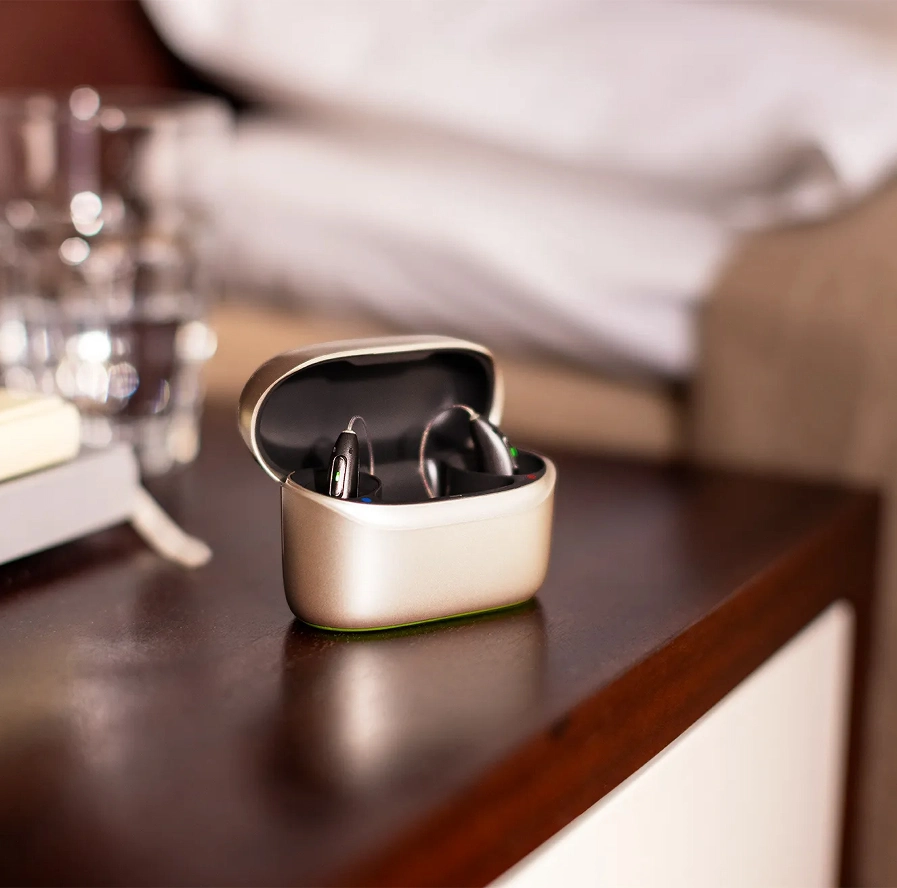
Imagine being in the middle of a great conversation with a friend when your hearing aid suddenly runs out of battery. It can cause a lot of inconvenience and make you feel disconnected from the people around you. This is why choosing the right type of hearing aid matters a lot.
Hearing aids have evolved significantly over the past decade. The devices are now smaller and packed with advanced features. These advanced features are designed to make everyday conversations easier. With improved sound quality and connectivity, users can now choose between rechargeable hearing aids and traditional battery-powered ones.
The choice between rechargeable hearing aids vs battery hearing aids depends on a range of factors, including your lifestyle, daily routine, dexterity, and personal preferences. Someone who values simplicity and convenience may prefer rechargeable hearing aids, whereas another person may prioritize portability and the ability to replace batteries instantly.
In this guide, we’ll explore the differences between rechargeable and battery hearing aids and help you understand which option is most suitable for your needs.
Who Should Choose Rechargeable vs. Battery-Powered Hearing Aids?
Rechargeable hearing aids
They are a good option if you:
- Wear your hearing aids throughout the day and prefer a straightforward charging routine
- Find it hard to handle small batteries because of certain health conditions
- Want to avoid the hassle of purchasing and changing batteries
- Prefer a more environmentally friendly option that generates less waste
Battery-powered hearing aids
- Travel frequently and may not always have access to charging points.
- Spend a lot of time outdoors, or away from any electric source.
- Prefer to carry spare batteries rather than rely on charging equipment.
- Don’t mind replacing batteries every few days or weeks.
- Need the assurance of being able to replace a battery instantly if it runs out.
Learn more about hearing aid cost from this blog: “How Much Do Hearing Aids Cost in Manchester? (Full Breakdown)”
Which Type of Hearing Aid Makes the Most Sense for Your Lifestyle
The best hearing aid varies from person to person. Here are a few factors worth considering:
Lifestyle Type | Type of Hearing Aid | Reason |
Busy professionals | Rechargeable hearing aids | Convenient for long workdays, frequent phone calls, meetings, and Bluetooth streaming |
Older adults or have dexterity issues | Rechargeable hearing aids | Eliminates the need to handle and replace small batteries |
Frequent travellers | Battery-powered hearing aids | Spare batteries are easy to carry and provide flexibility |
Adventure enthusiasts | Battery-powered hearing aids | Useful for outdoor activities where access to electricity may be limited |
Environmentally conscious users | Rechargeable hearing aids | Less disposable battery waste over time |
If you’re considering buying a hearing aid, but not sure where to buy one, read this blog: “NHS vs Private Hearing Aids in Manchester: Which Is Better?”
What's the Difference Between Rechargeable and Battery Hearing Aids?
1. Rechargeable hearing aids
- Convenient overnight charging: Place your hearing aids on the charger before bed, and they’ll be ready to use the next morning, eliminating the need to change batteries as part of your daily routine.
- Reliable all-day performance: Many modern rechargeable models provide 18 to 30 hours of battery life on a single charge, letting you wear them throughout the day with fewer interruptions.
- No regular battery replacements: Built-in rechargeable batteries eliminate the need to buy, store, and replace disposable batteries, making everyday hearing-aid maintenance simpler.
- Travel-friendly charging options: Compact charging cases make it easier to keep your hearing aids powered while traveling, and some models can provide additional charges when you are away from a power outlet.
- Less battery waste: Because they don’t rely on disposable batteries, rechargeable hearing aids can reduce battery waste over time, making them a practical choice for environmentally conscious users.
However, rechargeable hearing aids do have some limitations. They require access to electricity, and if the battery runs out unexpectedly, you cannot replace it like a disposable battery.
2. Battery hearing aids
Battery-powered hearing aids use disposable zinc-air batteries that are replaced periodically. Some of their key characteristics include:
- Reliable power on demand: When the battery runs low, you can replace it immediately and continue using your hearing aids without waiting for the device to recharge.
- Ideal for travel and outdoor use: Battery-powered models can be particularly convenient for camping, hiking, road trips, or long journeys where access to electricity may be limited.
- Potentially lower upfront cost: Many battery-powered hearing aids have a lower initial purchase price, making them an attractive option for budget-conscious users.
- More choice across different models: Disposable battery technology is available across a wide range of hearing-aid styles, giving users more flexibility when choosing a device based on their hearing needs and preferences.
- Suitable for occasional users: People who do not wear their hearing aids every day may appreciate using a fresh battery when needed rather than maintaining a regular charging routine.
For some users, the ability to replace batteries instantly offers reassurance and flexibility. But regularly changing small batteries can be inconvenient, especially for older adults or people with arthritis.
Rechargeable Hearing Aids vs Battery Hearing Aids: Side-by-Side Comparison
| Feature | Rechargeable Hearing Aids | Battery Hearing Aids |
| Upfront cost | Usually, higher | Usually, lower |
| Ongoing costs | Lower | Higher, due to regular battery replacements |
| Daily maintenance | Minimal | Moderate |
| Battery life | 18-24 hours per charge | 3-7 days |
| Travel convenience | Good | Excellent |
| Environmental impact | Lower | Higher |
| Need for electricity | Yes | No |
| Battery replacement | Not required | Required regularly |
| Best suited for | Everyday users | Travellers and outdoor users |
Why Is Professional Advice Important When Choosing Hearing Aids?
- Type and degree of hearing loss: No two people experience hearing loss in the same way. An audiologist can assess the degree and type of hearing loss and recommend suitable devices.
- Lifestyle differences: A hearing aid that works well for a frequent traveller may not be the best option for someone who spends most of their time at home. Professional advice helps ensure that your hearing aid fits seamlessly into your daily routine.
- Fitting, comfort, and sound quality: Even the most advanced hearing aid will not perform well if it is not properly fitted and adjusted. Professional fitting ensures maximum comfort and sound quality.
- Ongoing support: Many people require follow-up appointments, fine-tuning, and advice after receiving hearing aids. Professional aftercare can make a significant difference to your experience.
- Technology changes quickly: Hearing-aid technology continues to evolve. A hearing-care professional can explain the latest features and help you determine which ones are genuinely useful for your needs.
Why Choose Direct Ear Care For Your Hearing Aids?
At Direct Ear Care, patients receive personalised hearing care based on their hearing needs, lifestyle, and long-term preferences. The process begins with a thorough hearing evaluation to understand the nature and extent of hearing loss. Based on the results, the team can recommend suitable hearing aids and provide treatment tailored to the individual’s needs. Rather than offering a one-size-fits-all solution, Direct Ear Care considers lifestyle, dexterity, communication needs, and budget when determining the most appropriate hearing aid.
Learn more about how hearing aids can improve your overall life from this blog: “How Hearing Aids Improve Conversations with Loved Ones”.
Conclusion
Still Unsure Which Hearing Aid Is Right For You?
A professional hearing test can help you compare suitable models based on your hearing loss, lifestyle, and budget. Contact Direct Ear Care to arrange an assessment and receive personalized guidance from an experienced hearing-care professional.
Frequently Asked Questions
Are rechargeable hearing aids better than battery-powered hearing aids?
How long do rechargeable hearing aids stay charged?
How often do you need to change the batteries for traditional hearing aids?
Do rechargeable hearing aids cost more than battery-operated hearing aids?
What is the best hearing aid to travel with?
Are rechargeable hearing aids easy to operate by older patients?
Why should I see an audiologist before buying a hearing aid?
Written and medically reviewed by:

Ibrahim Musa
Audiologist
Related posts

Can Untreated Hearing Loss Affect Memory and Dementia Risk?
Ear Infection vs Earwax: How to Tell the Difference