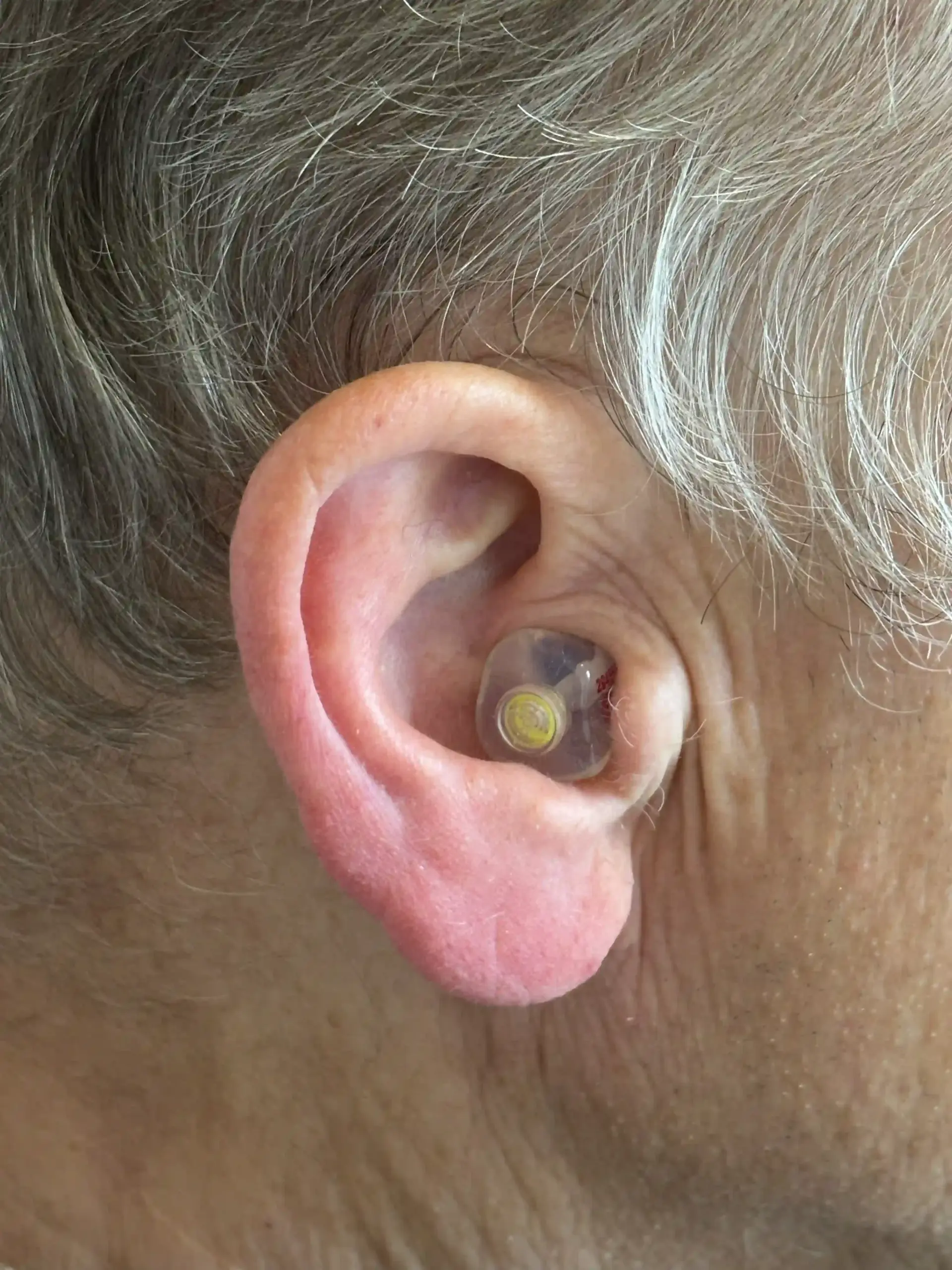
Many pregnant women notice unexpected changes in their ears such as ringing, a blocked feeling, dizziness, or mild changes in hearing. Hormonal changes and increased fluid retention can affect the ears, and these symptoms are common enough that most women experience at least one of them at some point during pregnancy.
In most cases, these symptoms are not serious and improve after childbirth. But some ear-related symptoms can occasionally point to something that needs medical attention, and it’s worth knowing the difference.
This guide explains which ear symptoms are considered normal in pregnancy, which ones need professional evaluation, and what to do in each case.
Can Pregnancy Affect Hearing?
Yes. Some women experience temporary hearing changes during pregnancy, thought to be linked to fluid retention, changes in blood flow, and hormonal fluctuations affecting the inner ear.
According to AIMS (Association for Improvements in the Maternity Services), pregnancy can be associated with temporary and permanent hearing loss.
Most cases are mild and temporary. But sudden or significant hearing loss is different and should always be assessed urgently especially if it comes on rapidly, affects only one ear, or comes with dizziness.
Sudden or significant hearing loss is NOT a normal pregnancy symptom. If this happens, contact your GP, midwife, or NHS 111 the same day, do not wait to see if it improves, and do not treat this as something to book an ear appointment for.
What Ear Problems Are Normal During Pregnancy?
1. Mild Tinnitus
2. Ear Fullness or Pressure
3. Temporary Hearing Changes
4. Mild Dizziness
Dizziness is common in pregnancy and is often linked to changes in balance and blood pressure.
These symptoms are usually harmless, but it’s still worth mentioning them to your midwife or GP if they become persistent or disruptive.
What Ear Symptoms During Pregnancy Need Medical Attention?
1. Sudden Hearing Loss
Sudden loss of hearing needs immediate medical evaluation and treatment. This can happen in one or both ears and may occur without warning. Early diagnosis and treatment can improve the chances of recovering hearing and help prevent long-term complications.
Contact your GP, midwife, or NHS 111 the same day
2. Severe or Persistent Tinnitus
3. Ear Pain or Earache
4. Ear Discharge
5. Severe Dizziness
6. Symptoms With High Blood Pressure
Could Earwax Be Causing Your Symptoms?
- Blocked ears
- Reduced hearing
- Ringing in the ears
- Ear discomfort
- Dizziness
Because pregnancy can cause similar symptoms, it isn’t always easy to tell the cause without a proper examination. What feels like a pregnancy-related ear issue could actually be earwax build-up and a professional assessment can help determine which it is, and whether treatment is needed.
If you’re still confused about ear wax removal treatment, then read this blog: “Do You Need Ear Wax Removal or a Hearing Test? How To Tell the Difference?”
Is Ringing in the Ears During Pregnancy Normal?
As covered above, mild tinnitus is a common and usually harmless pregnancy symptom, often linked to increased blood flow, hormonal changes, and fluid shifts. It tends to develop in the second or third trimester and often improves after childbirth.
Beyond the general guidance already given, get tinnitus checked specifically if it:
- Appears suddenly rather than gradually
- Continues to worsen over time
- Affects only one ear
- Occurs alongside hearing changes
- Develops together with high blood pressure
To learn more about tinnitus and when to seek help, read this blog: “Tinnitus: What It Is, What Causes It, and When to Get Help”.
Can Pregnancy Cause Dizziness and Balance Problems?
Yes, the inner ear plays a key role in balance, and pregnancy-related changes in circulation, blood pressure, and hormones can affect this system leading to dizziness, light-headedness, unsteadiness, or balance difficulties.
These symptoms are usually mild and pass on their own. As above, severe dizziness particularly with hearing changes or high blood pressure needs prompt assessment.
How Direct Ear Care Can Help During Pregnancy
If you have blocked ears, a change in hearing, tinnitus, or discomfort during pregnancy, a professional ear examination can help determine the cause. Every appointment at Direct Ear Care starts with a thorough examination and a personalised treatment plan, carried out by HCPC-registered audiologists.
1. Comprehensive Ear Examinations
2. Professional Earwax Removal
Where excess earwax is causing blockage or discomfort, our clinicians provide safe removal using microsuction or ear irrigation,, based on what’s appropriate for your ears.
Both microsuction and ear irrigation are safe to have during pregnancy. As with any appointment, your audiologist will still examine your ears first and confirm the most appropriate method for you on the day.
3. Clinic Appointments and Home Visits
Both clinic and mobile ear wax removal options are available, offering flexibility for anyone who finds travel difficult during pregnancy.
4. Personalised Treatment and Advice
Conclusion
Ear-related symptoms are more common in pregnancy than many people realise. Hormonal changes, increased blood flow, and fluid retention can all contribute to tinnitus, blocked ears, dizziness, and temporary hearing changes and in most cases, these ease after childbirth.
But sudden hearing loss, severe tinnitus, ear pain, ear discharge, or significant dizziness should always be evaluated by a healthcare professional, and symptoms alongside high blood pressure need same-day attention.
At Direct Ear Care, our HCPC-registered audiologists provide safe, professional ear care tailored to your individual needs, with both clinic and home visit appointments available for extra convenience during pregnancy.
Concerned about ear problems during pregnancy?
Written and medically reviewed by:

Ibrahim Musa
Audiologist
Frequently Asked Questions
Can pregnancy cause blocked ears?
Is tinnitus during pregnancy dangerous?
Is hearing loss linked to pregnancy?
When should I worry about ear symptoms during pregnancy?
Can earwax build-up get worse during pregnancy?
Related posts
How Often Should Adults Have Their Hearing Checked?
Rechargeable Hearing Aids vs Battery Hearing Aids: Which Is Better?