How Often Should Adults Have Their Hearing Checked?

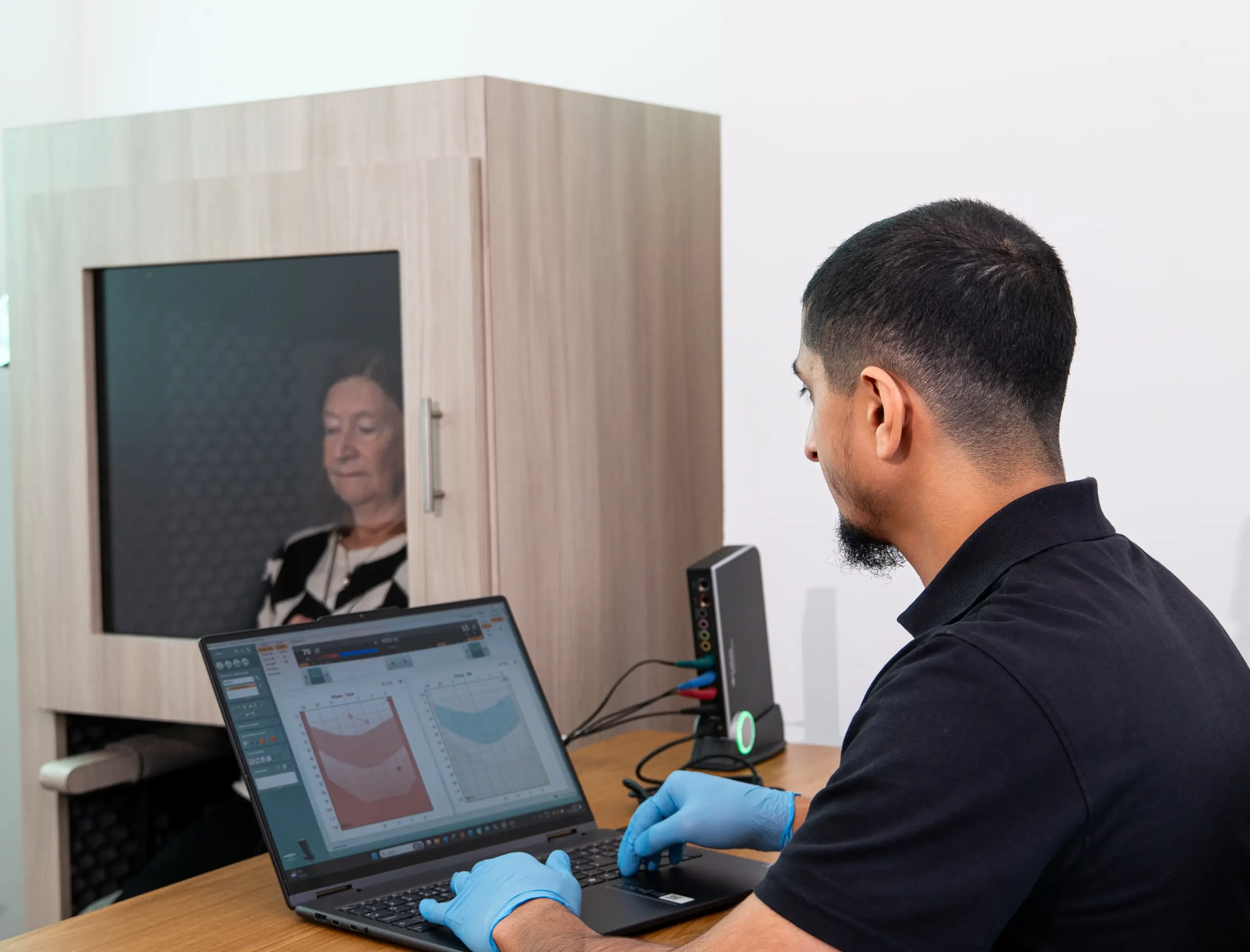
audiologist conducting a hearing test clinic
You may notice you’re turning the television up, asking people to repeat themselves, or struggling to follow conversations in busy restaurants. Because hearing loss often develops gradually, these changes can be easy to overlook. A hearing check can help identify them early, giving you a clearer picture of your hearing health and preventing minor changes from going unnoticed until they become more disruptive. This can help you take the right steps to protect your hearing and stay connected to the people around you.

How Often Should Adults Get a Hearing Test?

The frequency of checking hearing ability depends on several factors, including your age, hearing history, lifestyle, exposure to loud noise, and any changes you may have noticed in your hearing.

WhoHow OftenWhy
50+Every 2–3 yearsHearing deteriorates with age, even without a history of ear-related problems. Regular checks can help monitor your haring and identify potential issues early
People at higher risk of hearing lossOnce a yearRegular exposure to loud noise from workplace equipment, power tools, concerts, and amplified sound can increase the risk of hearing loss. Annual hearing tests, along with hearing protection and reduced noise exposure, can help monitor and protect your hearing.

When Do You Need a Hearing Test?

You should consider a hearing assessment sooner if you notice any of the following:

  • Difficulty hearing the TV clearly: You may find the sound unclear, often turning the volume up or using the subtitles. Also, friends and family comment that the TV is loud.
  • Struggle to hear in noisy places: You may find it difficult to follow conversations in restaurants, family gatherings, or busy workplaces.
  • Find telephone conversations challenging: Calling friends or family can be harder when you can’t see someone’s facial expression or lip movements.
  • Have ringing or buzzing in your ears: Tinnitus can have several causes, so it is worth having your hearing checked if you experience persistent ringing or buzzing.
  • Notice hearing loss in one or both ears: If you feel like you are losing hearing in one or both ears, it is best to get it checked out.
  • Have sudden or rapidly worsening hearing loss: Sudden hearing loss can require urgent medical assessment and should not be treated a a routine hearing-aid issue. Sudden or rapidly worsening hearing loss should never be ignored.

How Often Should You Have Your Hearing Checked If You Wear Hearing Aids?

Hearing care does not stop once you get hearing aids. You should contact your audiologist if:

  • Your hearing changes: If you notice that you are struggling to hear conversations, asking people to repeat themselves more often, or finding sounds less clear than before, arrange an appointment rather than waiting for your next routine check.

  • Your hearing aids are no longer providing the same level of clarity: If sounds seem muffled or speech is becoming harder to understand while wearing your hearing aids, your devices may need to be checked or adjusted to suit your current hearing needs.

If you’re uncertain about getting a hearing test or an earwax removal treatment, read this blog: “Do You Need Ear Wax Removal or a Hearing Test? How To Tell the Difference?”

What Happens During a Hearing Check?

1. Medical History Review

Your audiologist asks about your symptoms and when they began, your lifestyle, any noise exposure, and how your hearing affects daily life.

2. Examination of the Ears

Your ears are examined for anything that could be affecting your hearing, including earwax build-up. If significant blockage is found, your audiologist can advise whether professional removal is needed.

3. Hearing Assessment

If needed, this typically includes tympanometry, which measures middle ear function, and pure-tone audiometry, which identifies the degree and type of any hearing loss.

4. Discussion of Results

Your audiologist explains what the results mean for your day-to-day communication, and if hearing loss is found, recommends solutions based on the findings, your preferences, and your lifestyle.

To learn more about what happens during a hearing test, read this blog: “Hearing Test in Manchester What to Expect and How to Fit It into Your Life”.

Hearing Care Services at Direct Ear Care

1. Free Hearing Check

Direct Ear Care offers a free hearing check to help identify whether you may have hearing loss and what steps to take next.

2. Hearing Aids and Aftercare

If you have hearing loss, we can advise on the most suitable hearing aid for your needs and budget, provide fitting, and support you with ongoing care.

3. Earwax Removal

Earwax build-up can cause blockage or muffled hearing. Direct Ear Care offers professional earwax removal, including microsuction and ear irrigation where appropriate, following an ear examination.

4. Home Visits

For patients who can’t get to a clinic, or simply prefer to be seen at home, home visits are available for hearing tests, hearing aids, and earwax removal.

5.Hearing Protection

If you’re regularly exposed to loud noise at work, use DIY tools or go to music events, hearing protection is very important.

Related reading: Hearing Protection Tips for Concerts, Construction Workers, and Musicians.

Conclusion

Since hearing loss often develops gradually, regular hearing checks help identify changes early and give you a clearer picture of your hearing health.

Don’t wait for a routine appointment if you notice a sudden or noticeable change in hearing, persistent tinnitus, difficulty following conversations, or problems with your hearing aids. A hearing professional can assess your hearing and recommend the right next steps for you.

Confused About When Should You Get Your Hearing Test?

If you are concerned about your hearing or simply want to keep track of your hearing health, book a hearing test appointment at Direct Ear Care. Our team of expert and HCPC-registered audiologists will properly assess your hearing and provide professional advice and treatment plan.

Frequently Asked Questions

How often should adults have their hearing checked?

For adults (+50) with no known hearing problems, testing every two to three years is a sensible guideline, though the right frequency depends on your age, hearing history, lifestyle, and noise exposure. If you notice changes like difficulty following conversations or frequently asking people to repeat themselves. Book sooner rather than waiting.
Yes. Hearing loss isn’t limited to older adults, and regular exposure to loud noise from work, power tools, concerts, or amplified sound can affect hearing at any age. Being young isn’t a reason to dismiss changes in your hearing, and regular checks are worth considering if you’re frequently exposed to loud environments.
People who are regularly exposed to high levels of noise should get a hearing test once a year. You should use suitable hearing protection and limiting exposure where possible.
No. A hearing test simply assesses your hearing and identifies any issues. Your audiologist explains what the results mean and, if hearing loss is found, recommends suitable options based on your needs.
Yes. Significant earwax build-up can block the ear canal and make sounds seem muffled, which is why ear examination is a standard part of a hearing check. If blockage is contributing to your symptoms, your audiologist can advise on ear wax removal.

Written and medically reviewed by:

Ibrahim Musa
Audiologist

Share this post

Related posts

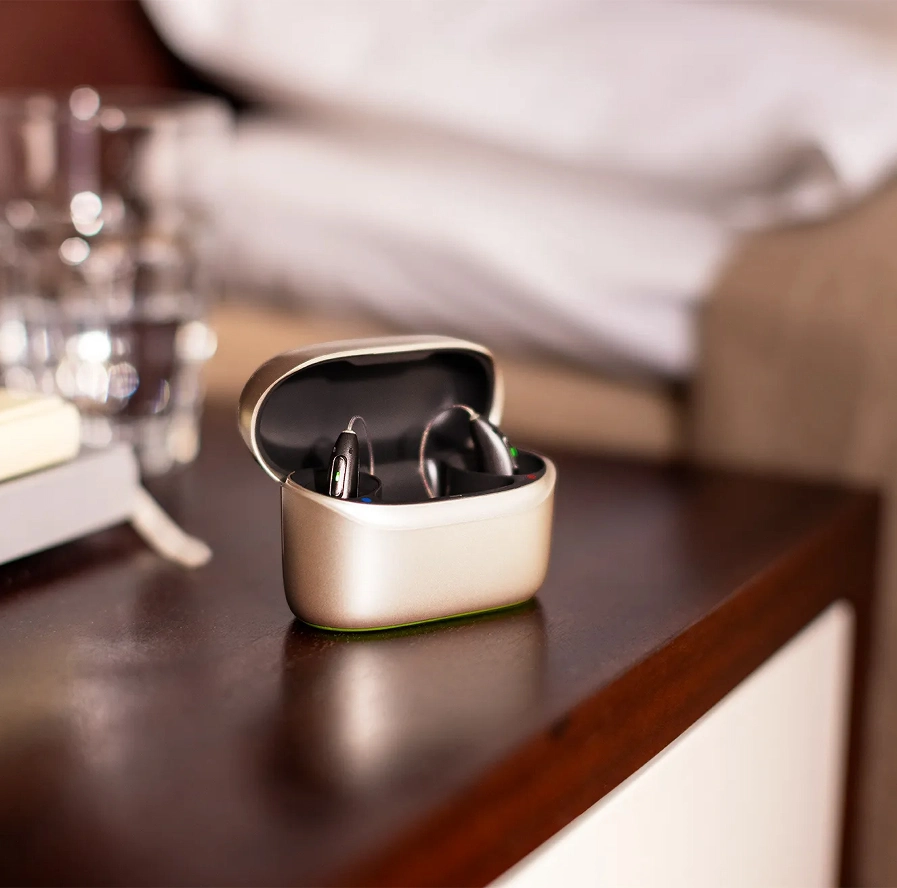
Rechargeable hearing aids charging case bedside

Rechargeable Hearing Aids vs Battery Hearing Aids: Which Is Better?

Rechargeable or battery-powered, which hearing aid actually suits your life? It comes down to more than convenience. Here's a clear breakdown to help you choose with confidence.
Two women having a friendly conversation over tea at home

Can Untreated Hearing Loss Affect Memory and Dementia Risk?
Struggling to hear can quietly affect more than conversations, research links untreated hearing loss to memory and cognitive decline. Here's what the evidence actually shows, and why early testing matters more than you might think."
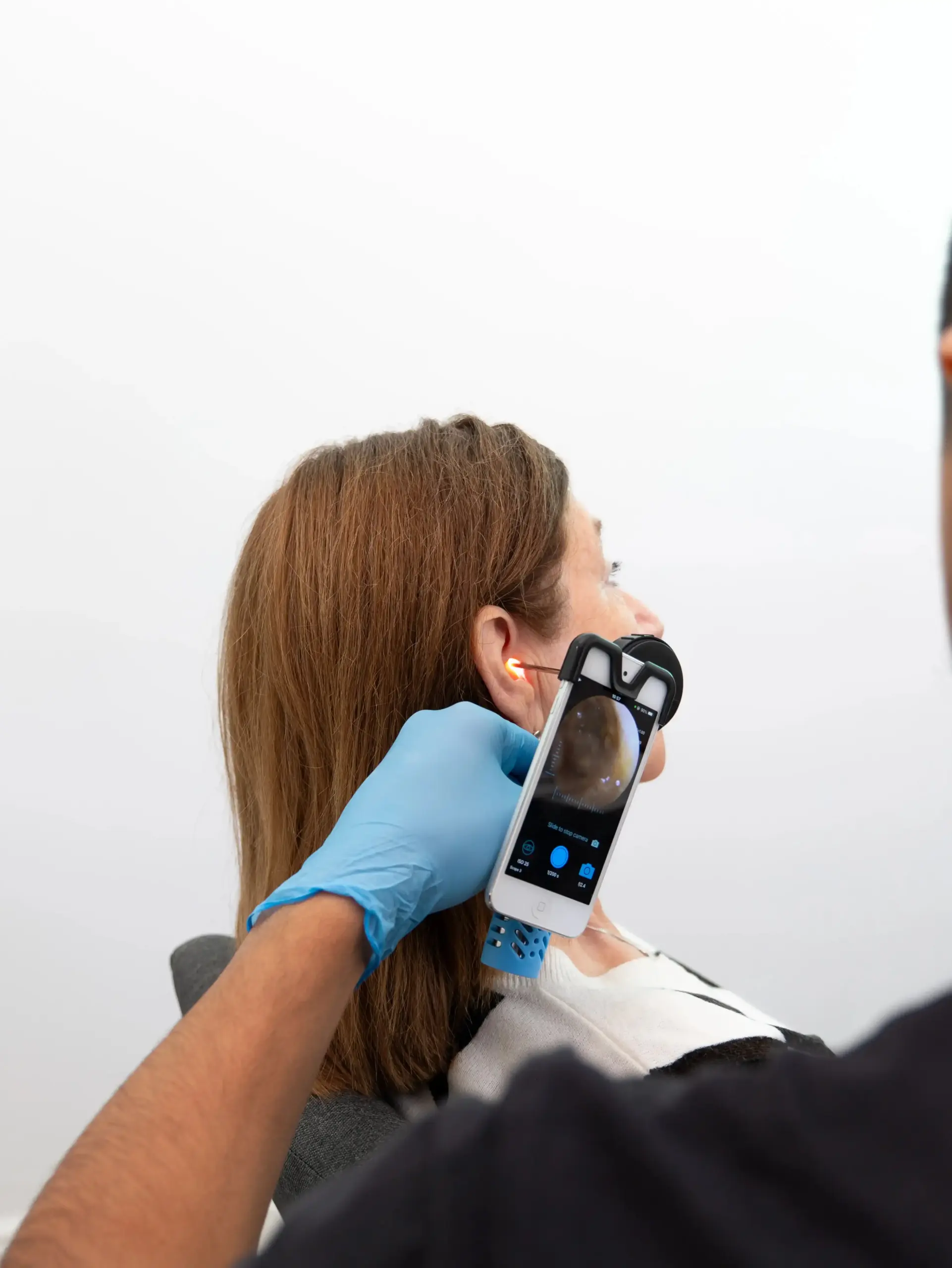
Professional ear examination using an otoscope camera to check a patient’s ear

Ear Infection vs Earwax: How to Tell the Difference

Earache, blocked ears, muffled hearing, is it earwax or an infection? The symptoms overlap more than you'd think, but the right treatment depends on knowing which one it is. Here's how to tell the difference