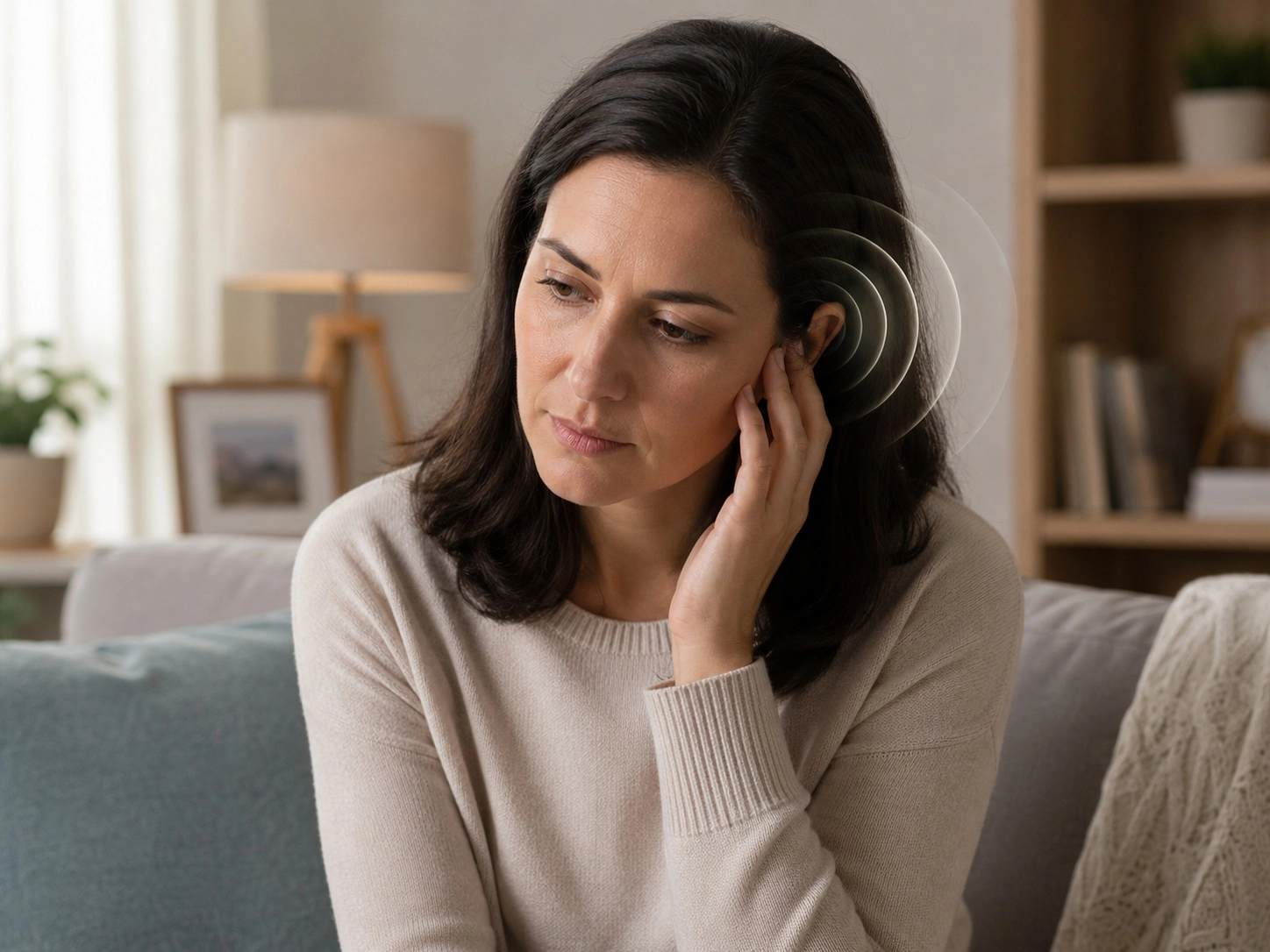
Imagine lying in bed in a silent room, but there is a persistent ringing, buzzing, or hissing that you cannot switch off. If this sounds familiar, you are not alone. According to Tinnitus UK affects 7.6 million people in the UK, with 1.5 million of them having severe tinnitus.
The good news is that tinnitus is rarely dangerous. But it can cause real distress affecting sleep, concentration, and mental health
This blog explains what tinnitus is, the different types, the common causes, how it affects daily life, what you can do about it, and when to seek professional help.
What Is Tinnitus?
Tinnitus (pronounced “TIN-i-tus” or “ti-NIGHT-us”) is a condition where you perceive sounds like ringing, buzzing, hissing, humming, clicking, whooshing, or even music that have no external source. It is heard only by the person experiencing it.
Tinnitus is not a disease in itself, but rather a symptom or condition with many possible underlying causes. It also varies from person to person, and there’s no single defining sound that can be identified as tinnitus, but common patterns include:
- High-pitched ringing
- Low-frequency humming
- Buzzing or crackling
- Pulsing or beating (more on this in the types section)
- Hissing, whooshing, or roaring
Tinnitus happens when the auditory system is disrupted, whether by damaged hair cells in the cochlea, ear wax, or changes in the auditory nerve. This forces the brain to generate its own signals, which are perceived as sound. It’s essentially the brain “filling in the gaps.”
It can be temporary, such as after coming back from a loud concert, or persistent.
In cases of persistent tinnitus, the practical solution is to visit an audiologist for a hearing test to assess the underlying cause.
Is Tinnitus the Same as Hearing Loss?
No, but they often occur together. According to Tinnitus UK, around 80% of people with severe to profound hearing loss experience tinnitus. But tinnitus can also occur in people with perfectly normal hearing, triggered by ear wax, stress, medication, or other causes.
The simplest way to think about it: hearing loss is about missing sound from the outside world. Tinnitus is about hearing a phantom sound that has no external source. One is missing sound; the other is added sound.
If you have tinnitus, a hearing test with an audiologist is always a sensible starting point it rules out hearing loss and opens up more treatment options if any loss is found.
Learn more about how ear wax blockage causes hearing loss in this blog, “Can Earwax Cause Hearing Loss? Facts You Should Know”
Difference between Tinnitus and Hearing Loss
Factor | Tinnitus | Hearing Loss |
Core experience | Hearing sound with no external source | Not hearing sound that is there |
Measurable? | Subjective: self-reported and assessed by an audiologist | Objective: measured on an audiogram |
Common causes | Cochlear damage, ear wax, stress, medication, ear infections, noise exposure | Age, noise exposure, disease, structural ear problems |
Can it occur alone? | Yes, tinnitus can exist with normal hearing | Yes, hearing loss doesn’t always cause tinnitus |
Often together? | Yes, around 80% of people with tinnitus have some degree of measurable hearing loss | Yes, hearing loss frequently leads to tinnitus |
What Are the Types of Tinnitus?
Tinnitus takes different forms Some are mild; others are more troubling. The main clinical categories are:
1. Subjective Tinnitus
The most common type, where only the person experiencing it can hear the sound. It usually stems from problems in the outer, middle, or inner ear, or the auditory nerve, and is often linked to hearing loss, noise exposure, or age-related changes.
2. Objective Tinnitus
One of the rarest types. With objective tinnitus, a clinician can sometimes hear the sound too, using a stethoscope near the ear. It usually has a physical source, such as a blood vessel abnormality, muscle contractions, or a middle ear bone issue.
3. Pulsatile Tinnitus
Instead of a steady ring or hiss, pulsatile tinnitus beats in rhythm with your heartbeat.
Most people often describe hearing their own pulse. This happens because of blood flow disturbances around the head or neck, due to high blood pressure, narrowed arteries, or other circulatory conditions.
According to the NHS, you should promptly book an urgent GP assessment or go to an ear clinic if you experience pulsatile tinnitus.
4. Unilateral vs. Bilateral Tinnitus
Tinnitus can occur in one ear (unilateral) or in both ears (bilateral). Unilateral tinnitus, especially if persistent and not obviously noise-related, requires investigation, as it can occasionally indicate conditions such as acoustic neuroma or Ménière’s disease.
What Causes Tinnitus?
There are many possible causes. In some people no clear cause is found, but understanding the common triggers helps guide treatment.
1. Hearing Loss
Age-related hearing loss and noise-induced hearing loss are the most common causes of tinnitus in the UK. According to RNID, almost 80% of people over 70 have some degree of hearing loss, making it one of the biggest risk factors for tinnitus.
Tinnitus essentially happens when your brain tries to compensate for a gap by filling in sounds. When cochlea hair cells are damaged, it sends an incomplete signal to your brain. Tinnitus happens when your brain tries to fill the missing or incomplete signal by generating its own sound, instead of processing the silence. In other words, what you’re hearing isn’t coming from outside, but it’s the brain generating its own signal to compensate for missing input.
2. Ear Wax Build-Up
Tinnitus caused by ear wax build-up is also very common and easily treatable. When ear wax becomes impacted, it blocks the ear canal, alters pressure near the eardrum, and interferes with how sound travels through the ear, all of which can produce or worsen tinnitus.
The reassuring part is that this type of tinnitus is often temporary. In many cases, once the wax is professionally removed through microsuction or ear irrigation, symptoms resolve quickly.
3. Prolonged Noise Exposure
Prolonged or sudden exposure to loud sounds, like concerts, power tools, headphones at high volume, or industrial machinery, can permanently damage the delicate hair cells of the inner ear, leading to both hearing loss and tinnitus.
Tinnitus can also happen with recreational noise, particularly for people listening through headphones that exceed safe listening levels. Hearing protection is one of the most effective things you can do to protect your long-term hearing.
4. Medicines (Ototoxic Drugs)
Certain medicines are known to be ototoxic, which means they can harm the inner ear or auditory nerve and sometimes cause or worsen tinnitus. These include:
- High-dose aspirin and some NSAIDs (non-steroidal anti-inflammatory drugs)
- Certain antibiotics, particularly aminoglycosides such as gentamicin
- Some chemotherapy agents, including cisplatin
- Certain loop diuretics used in high doses
If tinnitus begins or worsens shortly after starting a new medication, flag this to your GP. They may review your medication or dose. Never stop a prescribed medicine without medical advice.
5. Medical Condition
Beyond hearing loss and earwax, tinnitus can be linked to certain medical conditions. These are less common but worth being aware of:
- Ménière's disease: An inner ear fluid pressure condition causing episodes of vertigo, hearing loss, and tinnitus.
- Otosclerosis: An inherited condition involving abnormal bone growth in the middle ear that progressively affects hearing.
- Acoustic neuroma (vestibular schwannoma): A benign tumour on the hearing nerve; often associated with unilateral tinnitus.
- Diabetes and thyroid disorders: Systemic conditions affecting circulation and nerve function, including the delicate structures of the auditory system.
- High blood pressure and cardiovascular issues: Particularly linked to pulsatile tinnitus.
- Temporomandibular joint (TMJ) disorders: Jaw problems that affect the ears. Problems with the TMJ, including teeth grinding (bruxism), can create tension and mechanical noise that registers as tinnitus.
6. Idiopathic Tinnitus
Tinnitus with no identifiable cause, even after thorough investigation, is called idiopathic tinnitus. It can be frustrating not to have an explanation, but it does not mean nothing can be done
Management strategies, including sound therapy, cognitive behavioural therapy (CBT), and hearing aids where appropriate, are effective regardless of whether a root cause has been identified.
How Does Tinnitus Affect Daily Life?
For some, tinnitus is background noise they barely notice. For others, it is a constant, intrusive presence. Its impact ranges from minor to life-altering.
- Sleep Disruption
Tinnitus is often worse at night when the environment is quiet, because there are no competing sounds to mask it. Poor sleep can in turn affect mood, concentration, immune function, and overall wellbeing. - Mental Health
According to RNID, 66% of individuals reported increased stress levels due to tinnitus, and 51% said that tinnitus makes them feel anxious or overwhelmed. This proves that tinnitus can have negative impacts beyond the scope of hearing.
- Concentration and Work
Constant sound compete with cognitive attention, making reading, working, or holding conversations more difficult. This can affect professional performance, confidence, and social participation.
- Social Withdrawal
Stress, anxiety, and difficulty concentrating can lead people to reduce social activity and withdraw from friends and family.
You are not alone. Tinnitus UK runs a free helpline on 0800 018 0527, and Direct Ear Care’s audiologists can help assess your hearing and guide you towards the right support.
How Is Tinnitus Diagnosed?
Step 1: Appointment With Your GP
Your GP takes a detailed history, when the tinnitus started, what it sounds like, whether it affects one or both ears, and what makes it better or worse. They examine your ears with an otoscope to check for earwax, infection, or a perforated eardrum, and carry out a basic hearing check. To access NHS tinnitus diagnosis and treatment, your GP will refer you on to a specialist hearing clinic.
Step 2: The Audiologist Assessment
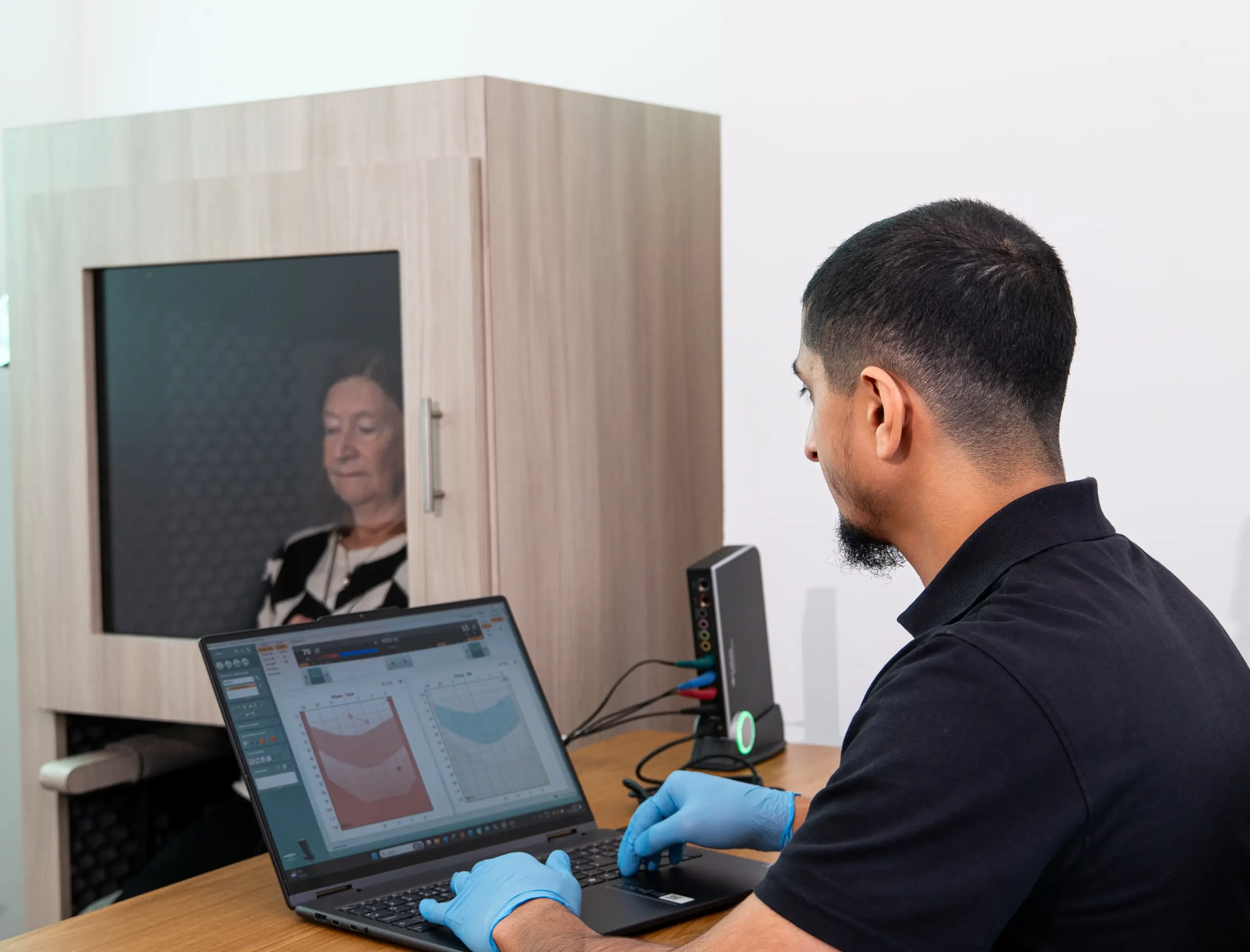
Once referred to audiology, your assessment will be more comprehensive. The audiologist will begin with a pure-tone audiometry test, which is a standard hearing test that measures your ability to detect sounds across a range of pitches and volumes.
Following the hearing test, the audiologist may carry out tinnitus pitch and loudness matching, a process that identifies the approximate frequency and perceived volume of the sounds you’re experiencing.
Step 3: Further Investigations
Depending on what the initial assessment reveals, additional tests may be recommended:
- MRI or CT scan if unilateral tinnitus is present or an acoustic neuroma is suspected
- ENT referral for complex, pulsatile, or rapidly worsening cases
- Blood tests to check for underlying conditions such as thyroid dysfunction, diabetes, or anaemia, all of which can affect the auditory system
When Should You See an Audiologist?
Too many people live with tinnitus for months or years before seeking help, assuming it will pass on its own or that nothing can be done. In reality, early assessment leads to better outcomes. Do not wait if any of the following apply.
1. Your Tinnitus Has Lasted More Than A Week
Temporary tinnitus after coming from a loud concert or listening to loud music is common and usually settles quickly. But if the ringing, buzzing, or hissing has been present for more than one to two weeks without any clear trigger, or it hasn’t settled, then it’s time to get it checked. Persistent tinnitus rarely resolves without understanding what’s behind it and waiting longer doesn’t improve the odds.
2. It's Getting Louder, More Frequent, Or Harder to Ignore
If your tinnitus is gradually worsening in volume or frequency and intruding on daily life, see an audiologist. Progressive tinnitus can indicate ongoing hearing damage and needs attention rather than time.
3. It's Affecting Your Sleep, Concentration, Or Mental Health
If your tinnitus is keeping you awake, making it hard to focus at work, or contributing to anxiety or low mood, then it’s no longer a minor inconvenience and requires urgent attention. Tinnitus is persistently linked to insomnia, depression, and anxiety, and the longer those go unaddressed, the harder they are to untangle.
4. You Have Tinnitus in One Ear Only
Tinnitus that occurs only in one ear consistently requires medical attention. While it’s often benign, it may indicate conditions such as acoustic neuroma, which is a non-cancerous growth on the hearing nerve, or Ménière’s disease.
5. It Started After a Head Injury, New Medication, Or Sudden Hearing Loss
If your tinnitus began closely following a head or neck injury, the introduction of a new medicine, or a sudden drop in your hearing, these are red flags that need prompt evaluation. Sudden sensorineural hearing loss, in particular, is a medical emergency when accompanied by tinnitus and requires same-day GP or A&E attention.
How an Audiologist Can Help with Your Tinnitus
Visiting an audiologist for tinnitus is usually the right move when the symptoms are worsening. But it’s always better to know how an audiologist can help with your tinnitus.
- Identifying and Treating the Root Cause
The audiologist first checks for impacted earwax, a very common and treatable cause. If hearing loss is found, treating it directly can reduce the brain’s need to generate the phantom sounds of tinnitus.
- Conducting a Full Hearing Assessment
Tinnitus and hearing loss are closely related, so an audiologist will carry out a pure-tone audiometry test to measure your hearing across all key frequencies. Understanding your hearing baseline helps identify and resolve the root cause of tinnitus.
- Fitting and Programming Hearing Aids
Since there is a strong correlation between tinnitus and hearing loss, hearing aids are a frontline management option. Modern hearing aids are equipped with dedicated tinnitus management programmes that generate soothing background sounds, reducing the contrast between tinnitus and the surrounding environment.
Learn more about how hearing aids can help rebuild lost connections and improve mental state in this blog, “How Hearing Aids Improve Conversations with Loved Ones”
- Referring You to the Right Specialist Support
If your tinnitus requires psychological support, such as Cognitive Behavioural Therapy (CBT) or Tinnitus Retraining Therapy (TRT), your audiologist can refer you to the appropriate service or therapist. If imaging or ENT assessment is needed, they’ll coordinate that referral too.
How Can Direct Ear Care Help?
At Direct Ear Care, we address the most common causes and management options for tinnitus directly.
- Ear wax removal: Most cases of tinnitus get resolved after a successful ear wax removal treatment. Our audiologist will perform a microsuction or ear irrigation, depending on the extent of ear wax blockage, to safely remove excess wax.
- Free hearing tests: Getting a clear, professional hearing assessment is the first step towards understanding your tinnitus and whether you need medical attention. Our HCPC-registered audiologists will assess your hearing across all key frequencies, examine your ears, and give you a clear picture of what’s happening and what comes next. If a hearing loss is identified, we’ll walk you through your options.
- Hearing aids: When appropriate, hearing aids are the most effective clinical solution for tinnitus, especially when there are signs of hearing loss. We fit and programme modern hearing aids from leading manufacturers, many of which include built-in tinnitus sound therapy features
- Home visits: We provide home visit options and a hearing test at home for patients who have difficulty with travelling to our clinic. Tinnitus can impact mental health and lead to social isolation. Our mobile ear services help bridge that barrier and provide effective treatment.
Conclusion
Tinnitus is very common, often manageable, and seldom a sign of something serious. But that doesn’t mean it should be ignored. If, in any case, the symptoms last for more than one or two weeks or worsen, you should definitely visit an audiologist for assessment.
The best way to solve tinnitus is to understand what you’re experiencing. The second is getting a proper assessment. Getting an early assessment can help identify the underlying issues and get proper treatment. But the most important thing to remember is not to suffer in silence. Tinnitus can happen to anyone, and professional help is always available.
Experiencing Tinnitus-Related Symptoms but Don’t Know What to Do?
If you’re experiencing ringing or buzzing in your ears, a free hearing test or an ear wax removal treatment with one of our audiologists is a good starting point. We’ll assess your hearing, look for any obvious causes, and guide you towards the support you need.
Book Your Free Hearing Test At Direct Ear Care Manchester
CTA: Call 0330 133 0511 | Book an Appointment Online
Written and medically reviewed by:

Ibrahim Musa
Audiologist
Frequently Asked Questions
Can tinnitus come and go?
Yes, tinnitus can frequently come and go. The sounds can fluctuate in intensity, disappear for moments, and reappear. The sudden spike in tinnitus symptoms happens due to increased stress levels, fatigue, noise exposure, physical changes, or dietary triggers.
Are tinnitus and high blood pressure related?
Yes, high blood pressure can affect blood flow in the delicate vessels near the inner ear, which may contribute to ringing, buzzing, or pulsing sounds particularly in pulsatile tinnitus. Managing blood pressure is good for both your overall health and your ears.
Can earwax cause tinnitus, and will removing it help?
Yes. Earwax build-up is one of the most common and most treatable causes of tinnitus. When wax becomes impacted, it can block the ear canal and interfere with how sound travels, producing a ringing or muffled sensation. If earwax is the cause, professional removal by microsuction or ear irrigation can bring rapid relief.
Is there a cure for tinnitus?
There is currently no universally recognised cure for tinnitus. However, if a specific underlying cause is found, such as ear wax, medication side effects, or an ear infection, treating that cause may resolve the tinnitus. For longer-term tinnitus, several management approaches are highly effective, like cognitive behavioural therapy (CBT), hearing aids, and sound therapy.
What does tinnitus sound like?
It varies from person to person. Common descriptions include high-pitched ringing (the classic one), buzzing, hissing, whooshing, humming and clicking sounds. Some people hear music or singing, which is more common in older adults and is sometimes called “musical ear syndrome.” The sound may be in one ear, both ears, or seem to come from inside the head, and its volume and pitch can fluctuate.
Related posts
How Often Should Adults Have Their Hearing Checked?
Rechargeable Hearing Aids vs Battery Hearing Aids: Which Is Better?