Earache, a blocked feeling, or a sudden change in hearing can leave you wondering whether you have an ear infection or simply too much earwax. The two conditions can produce very similar symptoms, including blocked ears, pressure, muffled hearing, and ringing, making them genuinely difficult to distinguish without a professional examination.
Both are common. A 2026 study published in BJGP Open estimated that around 500,000 primary care consultations in the UK each year involve middle ear infections. NICE estimates that approximately 2.3 million people in the UK seek treatment for earwax problems annually.
While the symptoms overlap, the causes are different, and so are the treatments. Using the wrong approach can make things worse. This guide explains how to recognise each condition, the warning signs to watch for, and when to get a professional ear examination.
What's the Difference Between an Ear Infection and Earwax Build-Up?
The main difference is that an ear infection involves inflammation or infection in or around the ear, while earwax build-up happens when wax accumulates and blocks the ear canal.
An ear infection tends to cause noticeable pain, pressure, changes to hearing, itching, irritation, or discharge. A high temperature and feeling generally unwell are far more strongly linked to infection than to earwax build-up alone.
Symptom | Earwax Build-Up | Ear Infection |
Ear pain | Mild pressure to noticeable earache, particularly when wax presses on the eardrum | Often noticeable or persistent pain |
Blocked ear | Very common, especially when wax blocks the canal | Can occur, particularly with swelling or fluid |
Hearing changes | Muffled or reduced hearing | May be affected, depending on type and severity |
Ear pressure | Common | Common, particularly with middle ear infections |
Itching | Common | More likely with outer ear infections |
Fever / feeling unwell | Not associated with earwax | Common, particularly with middle ear infections |
Fluid from the ear | Not usually associated with earwax | May occur and can be a sign of infection |
How Do You Know If You Have Earwax Build-Up?
- A blocked feeling: Your ear may feel full or plugged, often described as similar to having cotton wool in the ear.
- Muffled hearing: Sounds may seem quieter or less clear, particularly in the affected ear.
- Tinnitus: A ringing, buzzing, or hissing sound, often caused or worsened by earwax pressing against the eardrum.
- Mild discomfort: Some people experience earache or irritation.
- Dizziness: A significant build-up can sometimes cause dizziness or vertigo.
Symptoms typically build gradually as wax accumulates. Temporary hearing loss is the most common sign of impacted earwax, but a professional examination is always needed to confirm the cause.Learn more about when you need earwax removal from this blog: “7 Signs You Need Professional Earwax Removal”.
What Are the Symptoms of an Ear Infection?
Ear infections fall into two main types. Middle ear infections (otitis media) occur behind the eardrum, often following a cold, and are more common in children. Outer ear infections (otitis externa) affect the ear canal itself and are often linked to excess moisture, eczema, or irritation, sometimes called swimmer’s ear. Both cause pain, pressure, and hearing changes, but their causes and treatments differ.
Look out for:
- Earache: Ranging from a dull ache to sharp or throbbing pain.
- Fever: A raised temperature is more commonly linked to infection than earwax.
- Fluid or discharge: Liquid from the ear can indicate infection and shouldn’t be assumed to be earwax.
- Hearing changes: Muffled or reduced hearing, particularly with middle ear infections
- Feeling unwell: Tiredness, irritability, or feeling generally unwell may indicate an ear infection.
- Itching and irritation: Particularly associated with outer ear infections.
The NHS notes that ear infections tend to come on quickly and can cause earache, difficulty hearing, discharge from the ear, pressure, and general discomfort.
They’re more frequent in children, but anyone can get one. Middle ear infections are often associated with colds and flu, while outer ear infections are often linked to excess moisture, eczema, irritation, or repeated use of earphones and hearing aids.
Can You Have Earwax Build-Up and an Ear Infection at the Same Time?
Yes, and this is more common than most people realise. Earwax build-up can create the right conditions for an outer ear infection by trapping moisture, bacteria, and debris in the canal. In some cases, the two problems are present simultaneously.
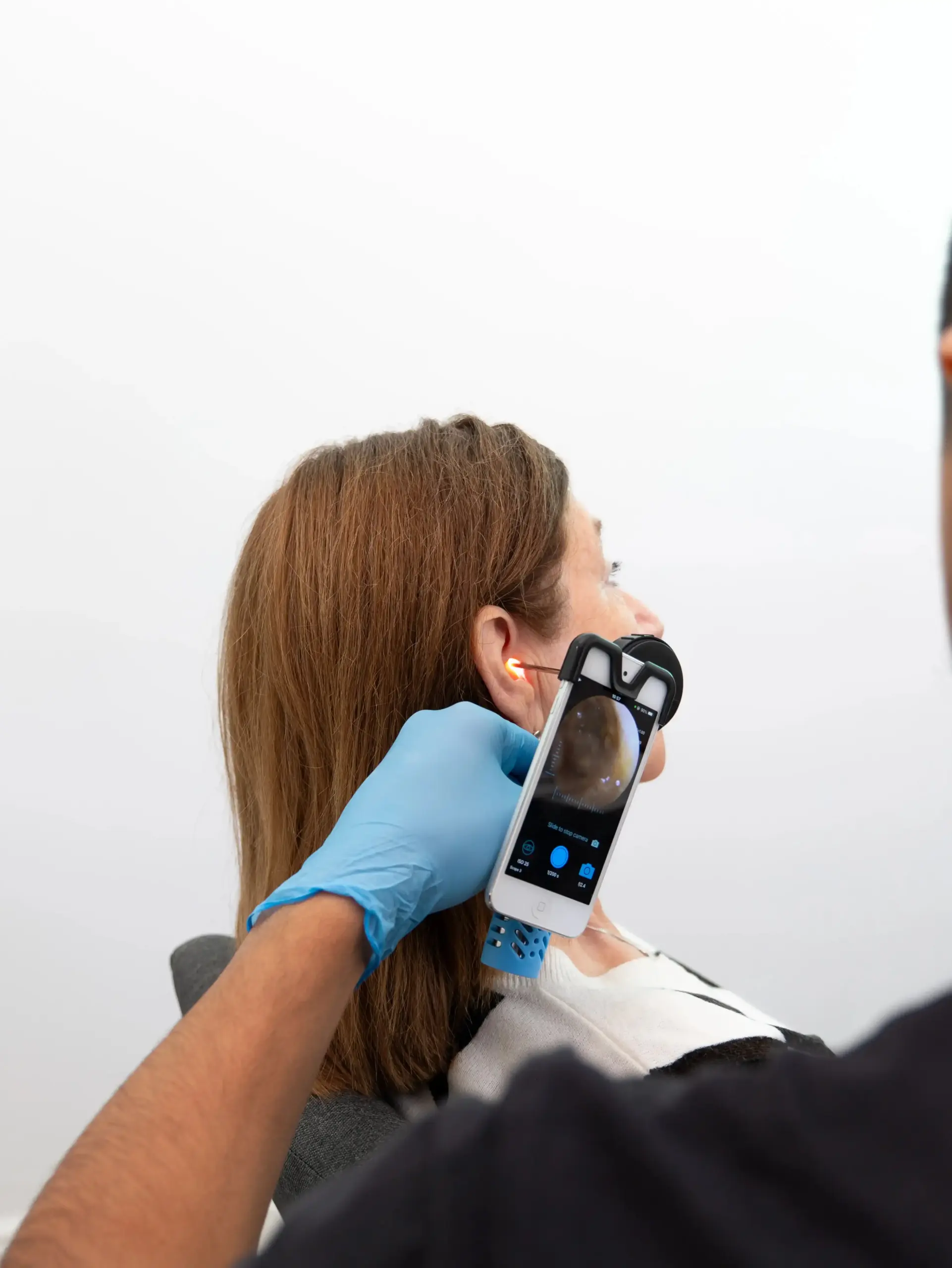
A build-up of earwax can block the view of the ear canal and eardrum, making it impossible to tell whether an infection is also present. This is one of the key reasons a professional examination must always come before earwax removal removing wax without ruling out an active infection first can make things worse.
The most reliable way to tell the two conditions apart, and to spot when both are present, is a professional ear examination.
When Should You Seek Medical Attention for Ear Problems?
Have your ears checked if symptoms are severe, persistent, or getting worse. Consider booking an appointment if you experience:
- Earache lasting more than three days, or that keeps coming back
- Blocked ears or reduced hearing that doesn’t improve
- Sudden or rapidly worsening hearing loss. Do not assume sudden hearing loss is caused by earwax, as it may need urgent assessment.
- Fluid, pus, or blood coming from the ear
- Swelling around the ear, or noticeable redness and tenderness
- Dizziness or vomiting alongside ear symptoms
- A high temperature or feeling very unwell, particularly with ear pain
- Symptoms that don’t improve, or keep recurring despite treatment
If you’re unsure whether your symptoms suggest earwax, infection, or something else, a professional ear examination is always the safest first step. Earwax removal may not be an appropriate treatment for an active infection.
If you’re confused about getting an earwax removal or a hearing test, read this blog: “Do You Need Ear Wax Removal or a Hearing Test? How To Tell the Difference?”
What Does Professional Treatment Involve?
1. Ear Infection
When an ear infection is suspected, a healthcare professional will first examine the ear to identify the cause and severity of the infection. The right treatment will depend on what is found and can include antibiotics or prescription ear drops, which may be appropriate in some cases, while others may resolve without medication.
If there is fluid or drainage from the ear, further assessment may be needed before treatment begins. If symptoms are severe, persistent, or do not improve, further medical review may be required.
2. Earwax Build-Up
Before any earwax is removed, the ear should be examined to confirm that earwax is actually causing the problem. Softening drops such as olive oil, used for two to three days beforehand, can make removal more comfortable. Removal should always be carried out by a trained professional using appropriate equipment such as microsuction, electronic ear irrigation, or manual removal under direct vision. Never use cotton buds, fingers, or ear candles, as these risk pushing wax deeper or damaging the ear canal.
How Direct Ear Care Helps You Get the Right Diagnosis and Treatment
Every appointment at Direct Ear Care begins with a thorough ear examination. This matters particularly when symptoms like blocked ears, hearing changes, or discomfort could have more than one underlying cause.
Direct Ear Care offers:
- A complete ear examination: We start with an assessment to recommend the right next step, based on whether earwax is present and whether it should be removed
- Microsuction: A gentle suction device is used under direct visual guidance, making it precise, safe, and suitable for a wide range of patients, including those with perforated eardrums or a history of ear surgery
- Ear irrigation: Where clinically appropriate, controlled warm water is used to flush out earwax. We assess your suitability for this method before proceeding
- Home visits: Professional ear examination and mobile earwax removal are available at home across Manchester, Bamber Bridge, Preston, and surrounding areas in Lancashire and Greater Manchester, with the full clinical assessment carried out before any treatment begins
- Free hearing check: We include a free hearing test with every earwax removal appointment to confirm whether your hearing improves once the wax has been cleared, or whether a separate hearing assessment is needed.
- Honest treatment: If earwax is not responsible for your symptoms, we will tell you clearly and point you toward the appropriate next step rather than carry out unnecessary treatment.
Conclusion
Earache, a blocked feeling, muffled hearing, and ringing can all be caused by earwax build-up or an ear infection, but the two are different problems needing different treatment. Earwax typically causes gradual blockage and hearing changes. An infection is more likely to bring significant pain, fever, discharge, or a sudden worsening of symptoms.
Because the symptoms overlap, and because both can occur at once, a professional ear examination is the only reliable way to know what’s actually causing your symptoms.
Never use cotton buds or other objects in the ear. If you notice sudden hearing loss, swelling, discharge, or feel generally unwell alongside ear symptoms, seek medical advice promptly.
Concerned about blocked ears, earache, or muffled hearing?
Book a professional ear examination at Direct Ear Care. Our HCPC-registered audiologists will assess your ears, identify the cause, and recommend the right treatment, in clinic or at your home.
Frequently Asked Questions
How can I tell if I have an ear infection or earwax build-up?
Will an ear infection go away on its own?
What should I do if my ears feel blocked?
Can earwax cause tinnitus?
Yes. Earwax build-up is one of the more common and treatable causes of tinnitus. When wax presses against the eardrum or blocks the canal, it can produce ringing, buzzing, or hissing in the affected ear. In many cases, tinnitus resolves once the wax is professionally removed. If it continues afterwards, speak to your healthcare professional.
Related reading: Tinnitus — What It Is, What Causes It, and When to Get Help
Do you offer home visits for earwax removal?
Written and medically reviewed by:

Ibrahim Musa
Audiologist
Related posts
Rechargeable Hearing Aids vs Battery Hearing Aids: Which Is Better?

Can Untreated Hearing Loss Affect Memory and Dementia Risk?